Ukrainian POW urges citizens to learn trauma care
Ukrainian POW Anatolii, who lost 25kg in captivity, urges citizens to learn trauma care. This is critical because civilian injuries have surged as war zones expand into urban areas.
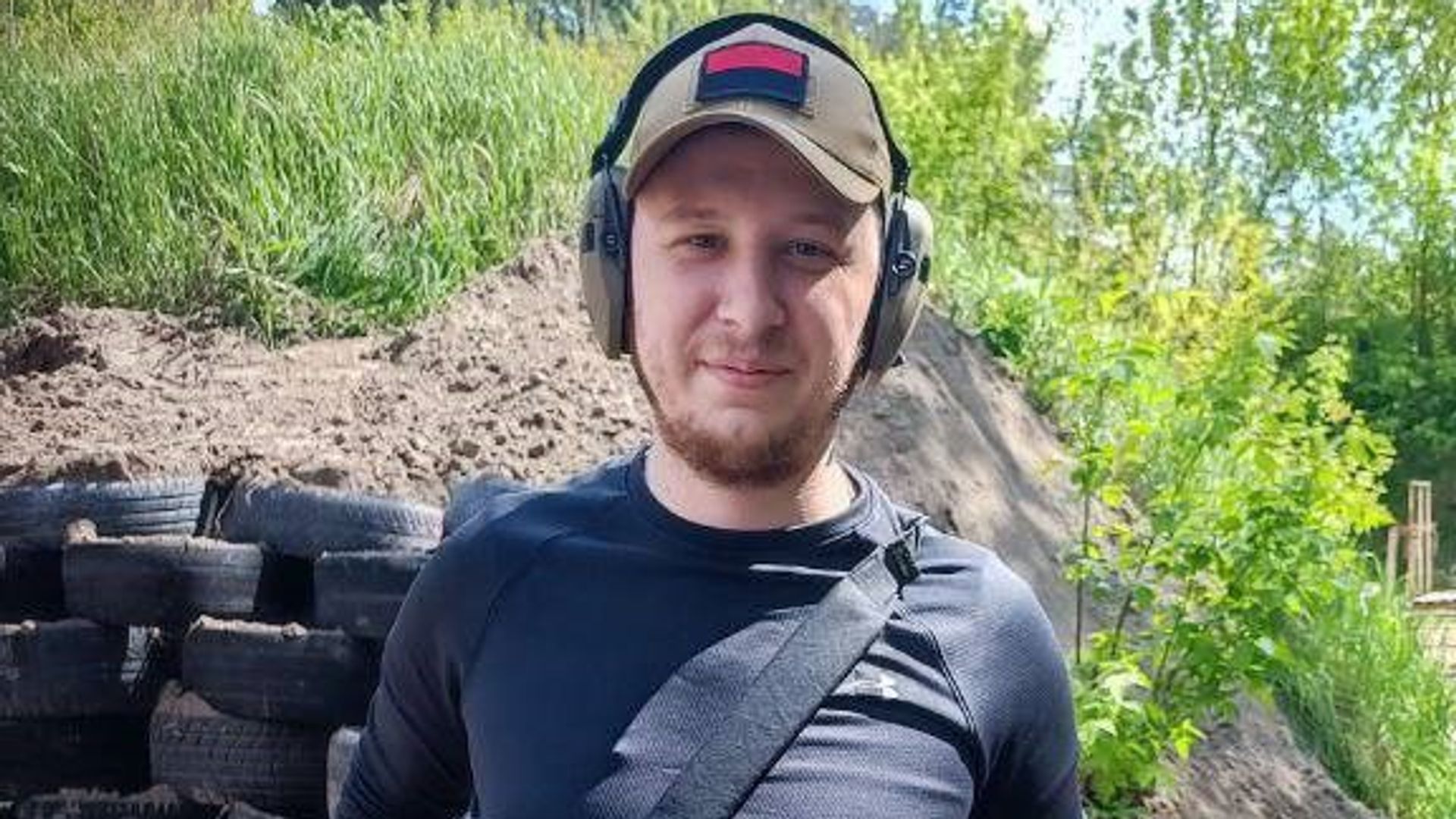
Ukrainian prisoner of war Anatolii has returned home from Russian captivity, his frame visibly diminished by a twenty-five-kilogram weight loss that serves as a stark physical testament to the brutal reality of the ongoing conflict. His return is not just a personal victory but a public health alert. Anatolii, who spent months in a Russian detention facility, now advocates for a nationwide shift in civilian preparedness. He insists that every citizen, from schoolchildren to adults, must master basic trauma care. Specifically, he argues that knowledge of how to apply a tourniquet and how to stop severe bleeding is no longer optional. It is a survival skill as fundamental as reading or writing in a wartime state. His message cuts through the noise of geopolitical analysis to focus on the immediate, visceral danger faced by civilians and soldiers alike in active combat zones.
The urgency of his call stems from the specific conditions of modern hybrid warfare. Since the full-scale invasion began, the lines between civilian and military life have blurred significantly. Explosions, drone strikes, and artillery fire are no longer confined to the front line but have become a background hazard in major cities. Medical professionals have reported a surge in traumatic injuries among civilians who lack the training to manage life-threatening blood loss before professional help arrives. In many cases, the "golden hour" for survival is measured in minutes, not hours. If a bystander does not know how to compress a wound or apply a tourniquet correctly, the victim’s chances of survival drop precipitously. Anatolii’s experience in captivity likely exposed him to the grim consequences of inadequate medical support, reinforcing his belief that the state cannot be the sole provider of emergency care. The burden must be shared with the population.
This push for widespread first-aid literacy is part of a broader trend in Ukraine’s societal adaptation. The country has begun integrating basic combat medicine into its educational curriculum and public awareness campaigns. Local Red Cross branches and volunteer organizations are distributing trauma kits and hosting workshops in schools and community centers. The goal is to create a society where every individual is a first responder. This is not merely a tactical decision; it is a moral one. By empowering citizens with these skills, Ukraine aims to reduce the human cost of the war. It transforms passive victims into active participants in their own survival. The psychological impact is also significant. Knowing that one can help a neighbor or a family member in a crisis reduces the helplessness and terror associated with sudden violence. It builds a sense of collective resilience that is crucial for long-term endurance.
Looking ahead, the challenge is scale and consistency. While enthusiasm for these training programs is high, ensuring that millions of people receive adequate instruction requires significant resources and logistical coordination. The government, alongside international partners, must continue to fund and support these initiatives. As the war drags on, the need for such civil defense measures will only grow. Anatolii’s return brings a powerful, human voice to this effort. His physical transformation is a reminder of the stakes involved. He is not just sharing a story; he is issuing a directive. The next step involves making these skills mandatory in driver’s education and school health classes. The message is clear: in a war that shows no sign of ending, the ability to stop bleeding is as vital as any weapon. Every citizen must be ready.
Read Full Story at Sky News →