Ex-US attorney general defends Epstein files handling in congressional probe
Former US Attorney General Pam Bondi defended her handling of Jeffrey Epstein-related documents during a House Oversight Committee testimony, asserting compliance with the Epstein Files Transparency Act. However, her management faced criticism for potentially withholding documents and making victims identifiable, leading to accusations of evasiveness during questioning.
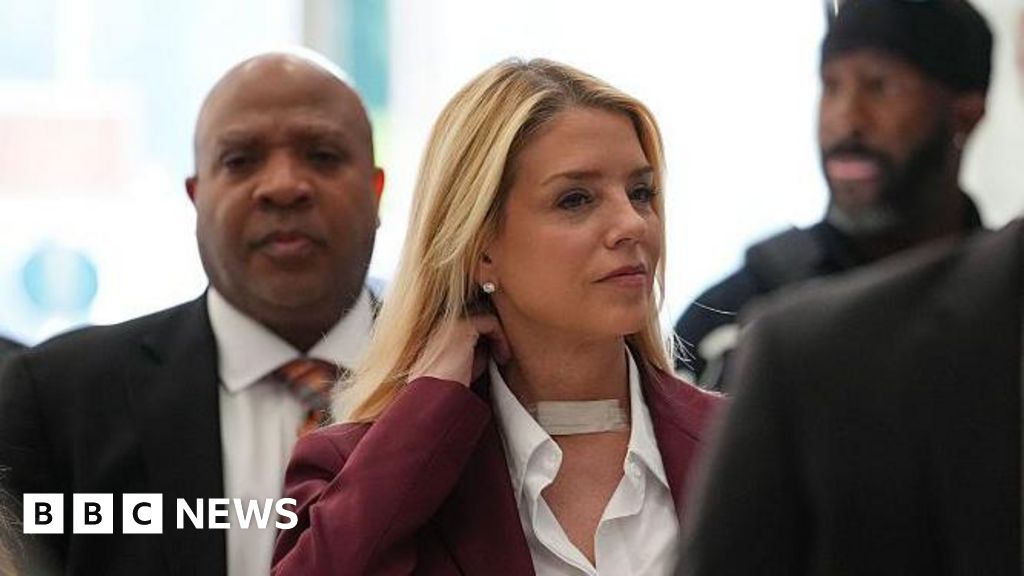
Former US Attorney General Pam Bondi has defended her management of the release of documents pertaining to convicted sex offender Jeffrey Epstein during her testimony before the House Oversight Committee. Bondi, who was dismissed from her role by former President Donald Trump in April, appeared in a closed-door session in Washington, D.C., following a subpoena issued by the committee. In her opening remarks, she emphasized the Justice Department's commitment to transparency, stating that nearly three million pages of material were produced as part of the Epstein Files Transparency Act, legislation signed into law by Trump that mandated the public release of unclassified records related to Epstein.
Despite Bondi’s assertions of transparency, her handling of the Epstein files has drawn significant criticism. Accusations have surfaced suggesting that certain documents were withheld from the public and that some files inadvertently made Epstein's victims identifiable. Bondi insisted that the department's efforts under her leadership were comprehensive and thorough, asserting, "To the best of my knowledge, the department produced everything required under the Epstein Files Transparency Act." However, the committee's Republican chairman, James Comer, indicated that the investigation would focus on the potential mismanagement of the Epstein investigation and the extent of compliance with the transparency act.
As the questioning progressed, tensions escalated, particularly among Democratic committee members who accused Bondi of being evasive and deflecting responsibility. They claimed that government lawyers intervened to prevent her from answering questions, especially those related to her communications with Trump. Congressman Suhas Subramanyam characterized the proceedings as a cover-up, criticizing the setup of the interview, which allowed for voluntary transcription but no video recording. He stated that Bondi appeared reluctant to take responsibility for what they described as poor management and handling of the Epstein case.
The committee’s investigation reflects broader concerns regarding the government's handling of high-profile cases associated with Epstein and the implications for his victims. As lawmakers continue to probe the complexities of the Epstein files, the ongoing discourse raises questions about accountability and the transparency of government actions in cases of sexual exploitation. Bondi's testimony may serve as a crucial point of reference as the committee seeks to clarify the extent of compliance with the Epstein Files Transparency Act and the overall management of the investigation.