NASA finds algal blooms at Blue Mesa when water hits 68°F
NASA satellite data shows harmful algal blooms in Blue Mesa Reservoir occur when water exceeds 68°F and levels drop below 20% capacity, producing liver toxins that contaminate water and threaten wildl
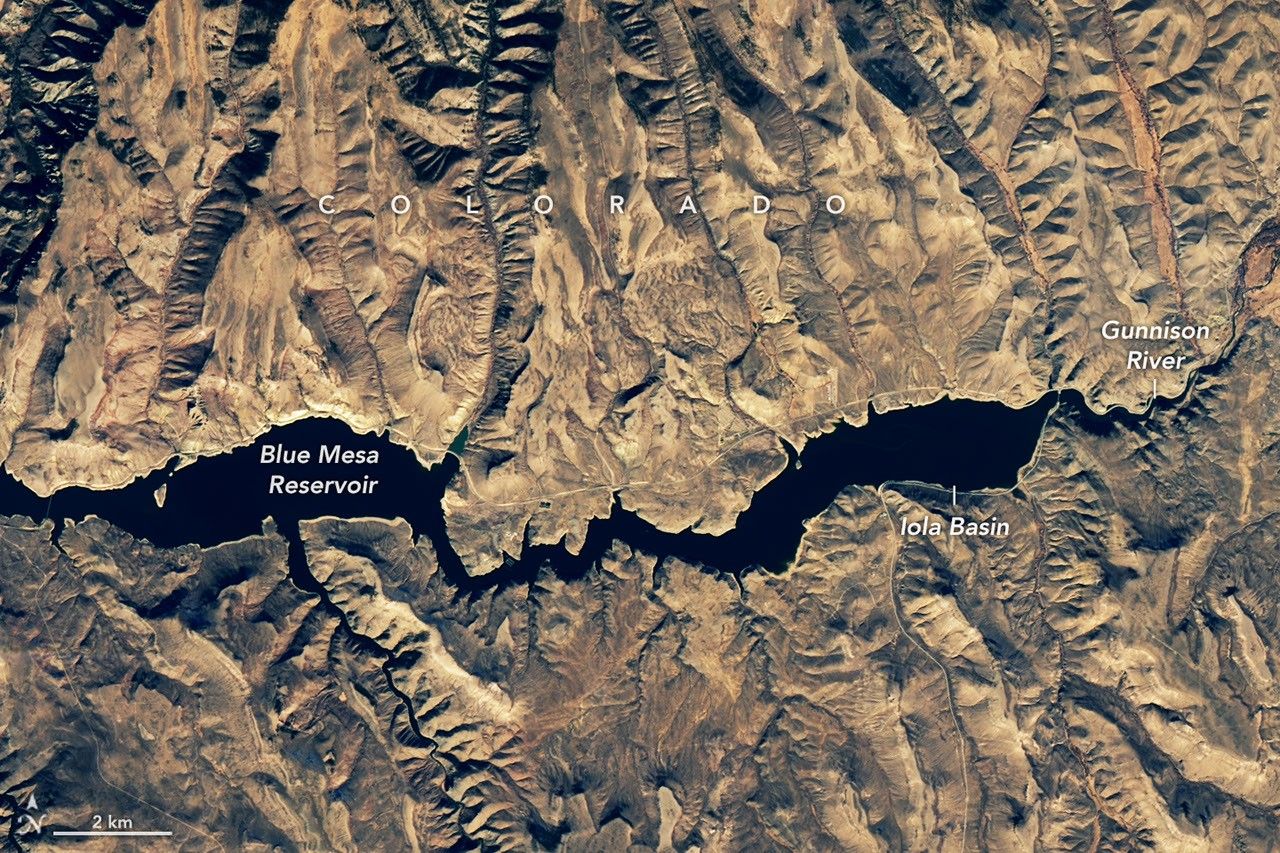
Researchers using NASA satellite data have linked harmful algal blooms in Colorado’s Blue Mesa Reservoir to rising water temperatures and record-low w
Read Full Story at NASA →Why This Matters
The recurrence of harmful algal blooms in Blue Mesa Reservoir isn’t just an ecological crisis—it’s a warning for water-dependent communities nationwide. As climate change intensifies drought cycles and raises water temperatures, reservoirs like Blue Mesa are becoming ground zero for toxic algae outbreaks, threatening both human health and fragile ecosystems already under strain.
Background Context
Blue Mesa, Colorado’s largest body of water, has long been a lifeline for irrigation, recreation, and municipal supply in the Gunnison Basin. But its vulnerability to algal blooms has deepened since the 2018 drought, when a 40-year low in water levels first triggered widespread toxin production. The reservoir’s shrinking footprint now mirrors a growing trend: outdated water management systems struggling to adapt to a hotter, drier West.
What Happens Next
With summer temperatures rising and regional snowpack declining, Blue Mesa’s capacity to rebound from blooms is uncertain. Water managers may soon face a Hobson’s choice: release dwindling reserves to dilute toxins (risking downstream shortages) or risk another season of contamination. Meanwhile, wildlife agencies are racing to assess whether native fish populations can endure repeated exposures to liver-damaging microcystins.
Bigger Picture
Blue Mesa is a bellwether for how climate change is redefining water safety. As reservoirs nationwide flirt with similar thresholds—warmer, shallower, and more nutrient-rich—they’re becoming ticking time bombs for toxic algae. The challenge ahead isn’t just mitigating blooms, but reimagining water infrastructure for an era where ‘normal’ droughts no longer exist.