Federal judge confronts Trump DOJ lawyer over lack of candor on comments
A federal judge reminded a DOJ lawyer of the "duty of candor" rule after she refused to clarify President Trump's comments regarding a DOJ probe, leading to the judge's frustration. This refusal coul…
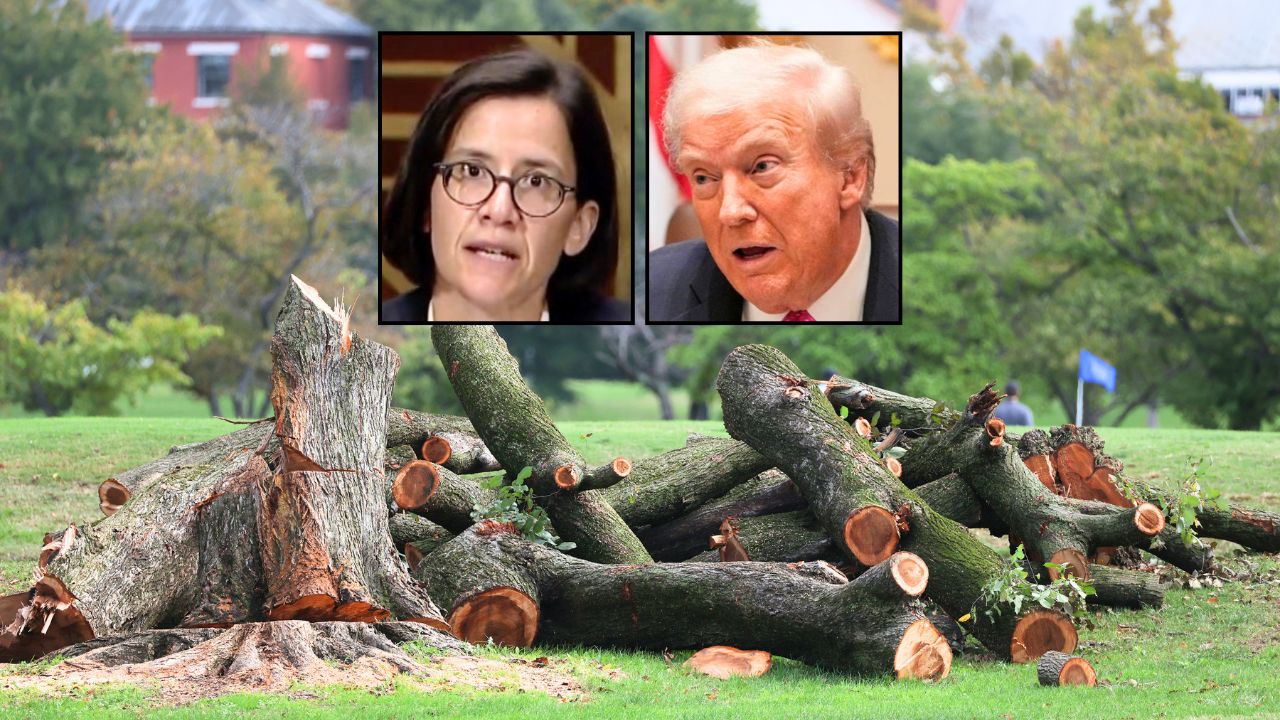
A federal judge in Washington on Tuesday reminded the Department of Justice’s associate attorney general that the agency’s “duty of candor” rule applies when a lawyer speaks for the president, then was met with a refusal to explain what President Trump meant by a recent comment about a DOJ probe. The judge, who is presiding over the election‑interference case against Trump, read the rule aloud to the official and asked for a direct answer. The official declined, prompting the judge’s visible frustration.
The duty of candor rule requires prosecutors and DOJ officials to be truthful in all statements to the court and to correct any falsehoods. It has been invoked in past high‑profile cases, including the Watergate prosecutions and recent investigations into former officials. Trump’s lawyers have repeatedly claimed that the DOJ is “looking into” matters that could affect his political future, a claim that the judge said could mislead the jury if left unchecked. The judge’s question came after the president’s campaign released a video suggesting the DOJ was secretly gathering evidence against him, a claim that has no public basis.
During the hearing, the associate attorney general, Vanita Gupta, responded that she could not speak on the president’s personal statements and offered no clarification. Legal analysts said the stonewalling could be seen as a breach of the candor obligation, especially in a case where the jury must rely on accurate information. The judge warned that continued refusal could lead to a contempt citation. Prosecutors for the government side noted that the DOJ must maintain credibility, and a few senior lawyers in the courtroom murmured their support for the judge’s position.
The judge said she will consider a formal order compelling a clear response and may hold the official in contempt if she deems the refusal will impede the trial. A forced clarification could shape how the jury views Trump’s public assertions about the DOJ. The episode underscores the tension between the executive branch’s political messaging and the court’s demand for factual accuracy, a dynamic that could reverberate through other pending investigations involving the former president.
Read Full Story at Law & Crime →