Experimental eye drops restore vision in blind mice
Experimental light-activated eye drops restored basic vision in blind mice without invasive surgery. This simple topical treatment offers a potential low-cost, non-invasive alternative for millions w…
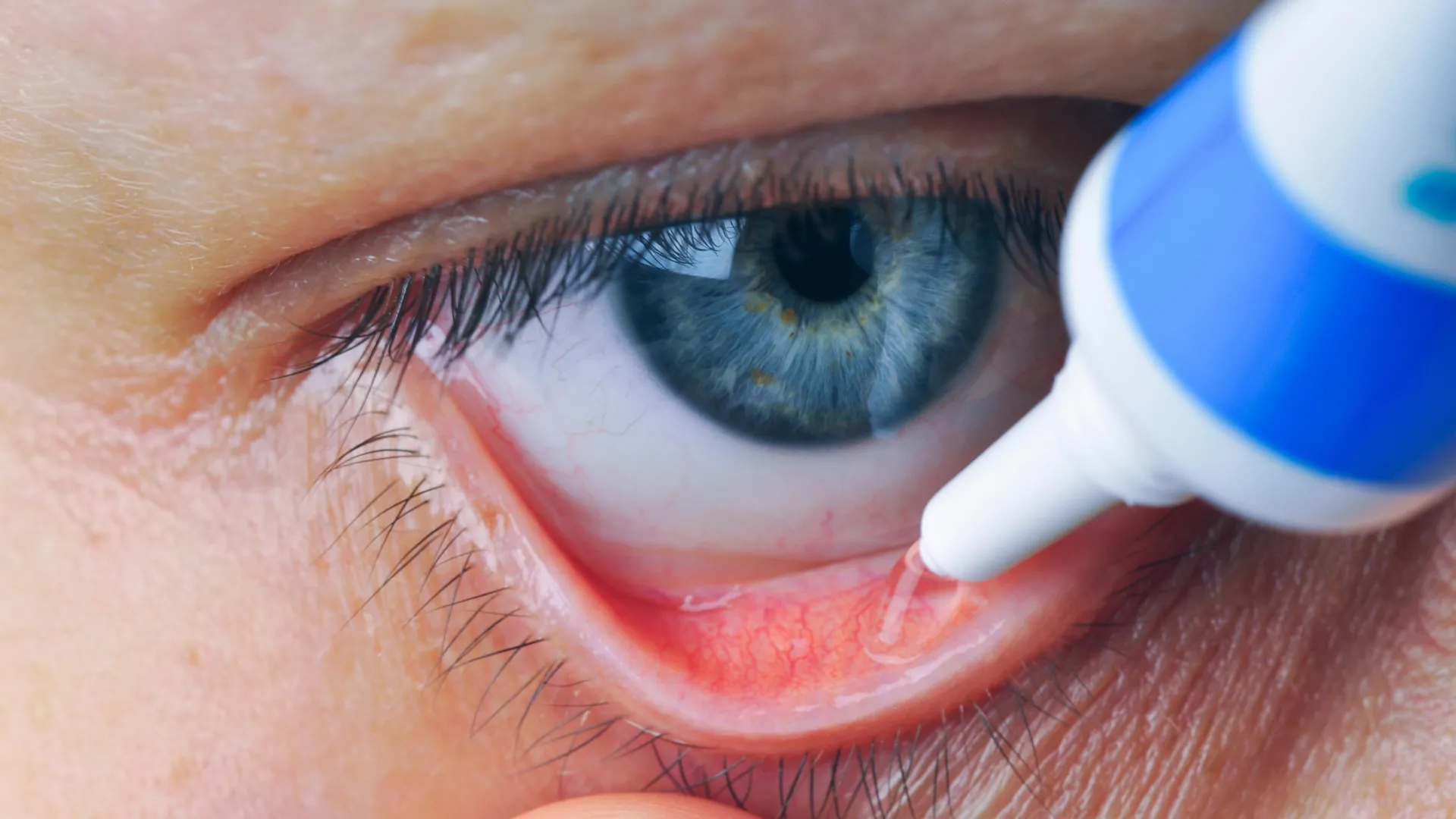
Scientists have shown that two light‑activated eye drops can restore vision in blind mice, eliminating the need for gene therapy, implants or special lighting. In a study published last month, the drugs let the animals detect light and navigate a maze, a clear sign that basic visual function can be re‑instated with a simple topical treatment.
Vision loss affects more than 285 million people worldwide, and most current options—cataract surgery, retinal implants, or gene‑replacement therapy—are costly, invasive or limited to certain diseases. Gene therapy, for example, requires a viral vector that must be injected directly into the eye, a procedure that carries surgical risks and can trigger immune reactions. The new approach sidesteps these hurdles by delivering small molecules that react with the eye’s own cells when light hits them.
The two compounds, called “photo‑activatable opsins,” work by binding to proteins already present in the retina. When the mice were sprayed with the drops and exposed to normal room light, the molecules switched on, generating electrical signals that the brain interpreted as visual input. Researchers measured the mice’s eye movements and found that they avoided obstacles and followed a light‑guided path, performance that matched that of sighted mice in the same test. The study also showed no signs of inflammation or toxicity after repeated use.
Next steps involve scaling up the production of the drugs and testing them in larger animals, such as pigs whose eye anatomy is closer to humans. If those trials succeed, the team will seek approval for a Phase I human trial, likely focusing on patients with retinitis pigmentosa or age‑related macular degeneration. The researchers hope that, if safe and effective in people, the eye‑drop therapy could offer a low‑cost, non‑invasive alternative to current vision‑restoring treatments and bring hope to millions of blind patients.
Read Full Story at ScienceDaily →