Ol Doinyo Lengai volcano erupts, unleashing fastest-flowing lava at 20 km/h
Ol Doinyo Lengai, a stratovolcano in Tanzania, has erupted, producing the fastest-flowing lava on Earth at speeds up to 20 kilometers per hour. This carbonatite lava, which erupts at lower temperatur…
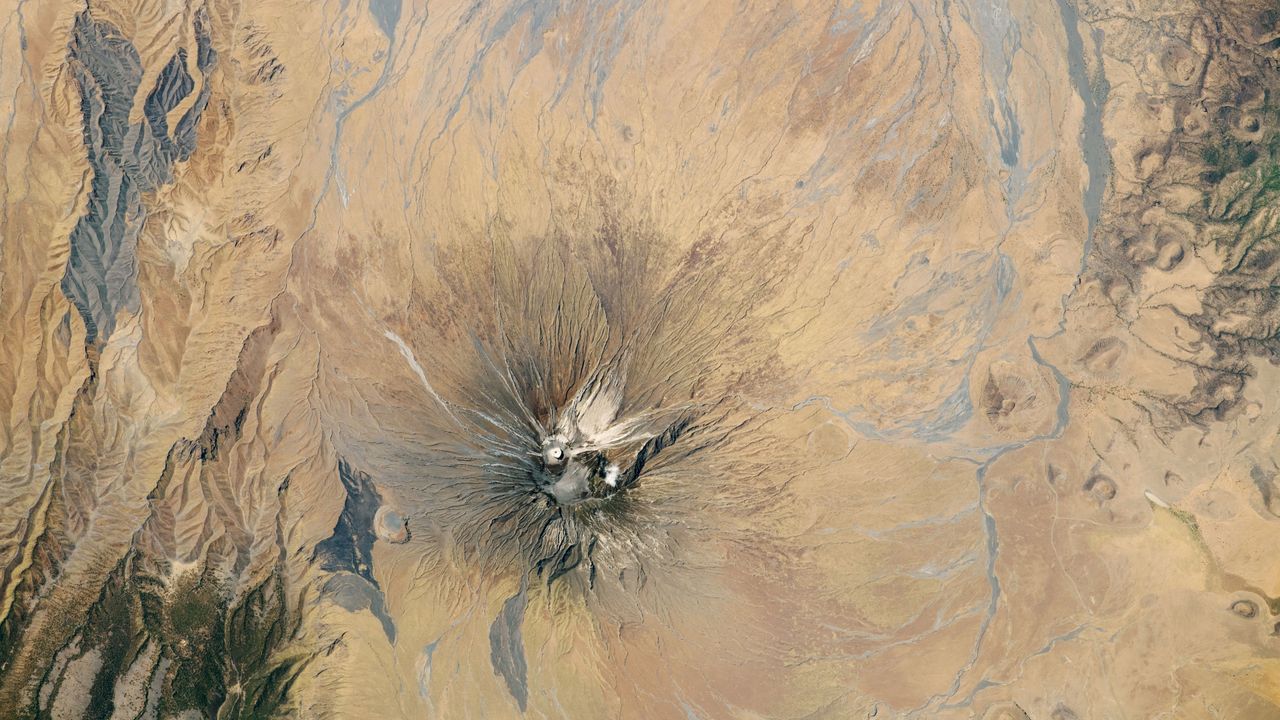
Ol Doinyo Lengai, an active stratovolcano in Tanzania, has recently erupted, producing the fastest-flowing lava on Earth. This event was captured in a stunning 2020 photograph taken by an astronaut, showcasing the volcano's distinct ash cone. The lava, known as carbonatite, is unusual because it erupts at lower temperatures than typical lava but moves at extraordinary speeds.
The eruption of Ol Doinyo Lengai is significant for several reasons. First, it highlights the unique geological processes that occur in East Africa, where the tectonic plates are diverging. This region is known for its volcanic activity, but the carbonatite lava produced here is rare compared to the more common basaltic lava found in most volcanic eruptions globally. Understanding this eruption can provide valuable insights into the dynamics of volcanic activity and the potential hazards associated with it.
The lava flow from Ol Doinyo Lengai can reach speeds of up to 20 kilometers per hour (approximately 12 miles per hour), making it a notable phenomenon in volcanology. Unlike hotter lava, which can solidify quickly, the cooler carbonatite lava can maintain its fluidity over longer distances. This characteristic poses unique challenges for researchers and local communities, as fast-moving lava can rapidly change landscapes and threaten nearby settlements.
Looking ahead, scientists will continue to monitor Ol Doinyo Lengai for further eruptions. The ongoing activity at this volcano offers a rare opportunity to study the behavior of carbonatite lava in real-time. As research progresses, it may lead to improved understanding of volcanic eruptions and better preparedness for communities living in proximity to active volcanoes. This eruption serves as a reminder of the dynamic nature of our planet and the intricate processes that shape it.
Read Full Story at Live Science →