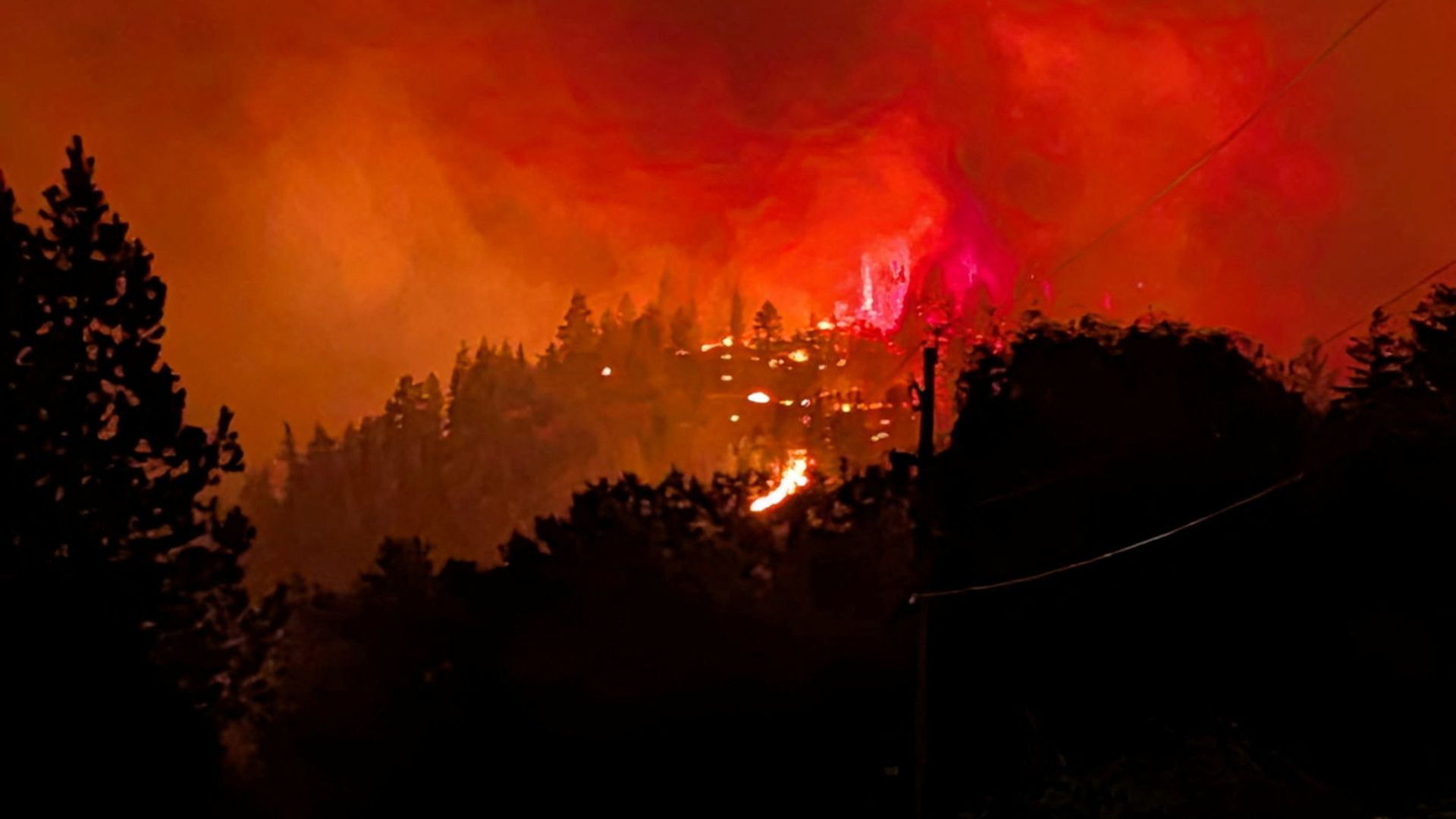
70% of Americans report feeling powerless amid extreme weather events
A recent poll shows that 70% of Americans affected by extreme weather feel powerless and expect climate change to worsen their lives. This growing anxiety highlights the urgent need for mental health…

A new poll reveals that many Americans affected by extreme weather events feel increasingly powerless about their future. This sentiment is particularly strong among those who have experienced recent disasters, such as hurricanes, wildfires, and floods. The survey highlights a growing anxiety about climate change and its impact on daily life.
This surge in concern comes as the frequency and intensity of extreme weather events have risen in recent years, driven by climate change. The National Oceanic and Atmospheric Administration (NOAA) reported that 2022 set a record for weather-related disasters in the U.S., with damages exceeding $165 billion. These events not only damage property but also disrupt communities and affect mental health. As people face more frequent threats, the fear of future disasters looms large.
The poll indicates that 70% of respondents believe climate change will worsen their lives in the coming years. Many report feeling unprepared for the next disaster, revealing a cycle of anxiety that can hinder effective action. Experts note that this sense of helplessness can lead to disengagement from community efforts to combat climate change, further exacerbating the problem. Community resilience initiatives and mental health support are crucial in addressing this growing crisis.
Moving forward, addressing the mental health impacts of climate change will be essential. Policymakers and community leaders need to create programs that empower individuals and provide resources for disaster preparedness. Building awareness and fostering community connections can help ease the burden of anxiety and enhance resilience against future extreme weather events. As the climate crisis escalates, so too does the need for proactive measures to support affected populations.
Read Full Story at Scientific American →