Federal lawsuit aims to stop UFC event on the White House South Lawn
Plaintiffs allege the June 14 event violates National Park Service regulations and benefits Trump and his allies.
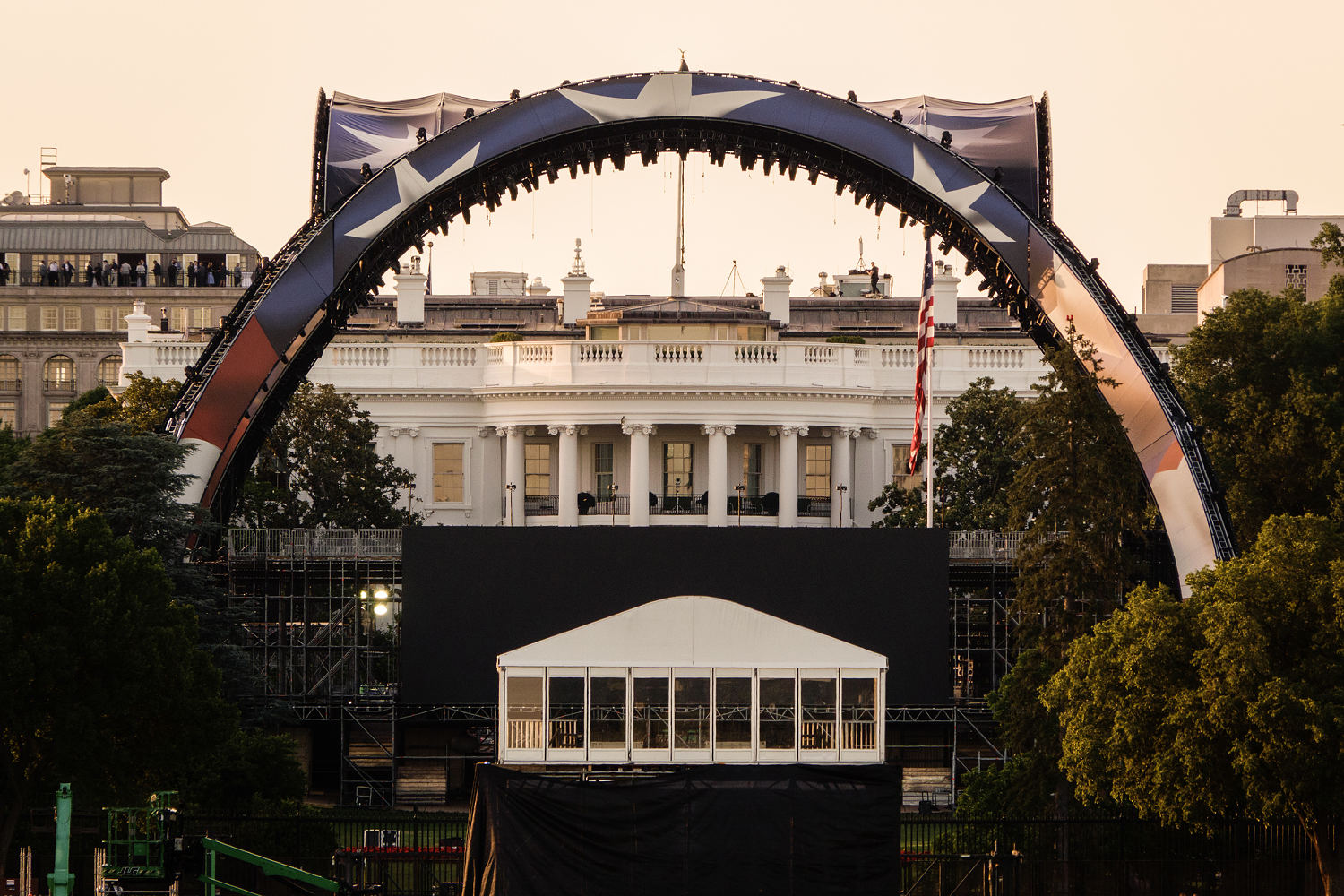
Plaintiffs allege the June 14 event violates National Park Service regulations and benefits Trump and his allies. This report comes from NBC News. Th
Read Full Story at NBC News →Why This Matters
This legal challenge tests the boundaries of public land use for political events, raising questions about whether federal properties can be repurposed for partisan purposes under the guise of national celebration. Beyond the UFC’s commercial interests, the case forces a reckoning with the Trump administration’s repeated use of federal venues—often with minimal oversight—to amplify campaign messages while sidestepping traditional transparency requirements.
Background Context
The White House South Lawn has hosted high-profile events for decades, but its use for partisan activities under the Trump administration has drawn unprecedented scrutiny. The National Park Service, tasked with managing federal land, has faced criticism for granting permits to events with clear political undertones, including rallies and speeches. Legal experts note that while permits are typically granted for public gatherings, the commercial nature of this UFC event—coupled with its alignment with a political figure—pushes the limits of what qualifies as a permissible use.
What Happens Next
A federal judge will likely weigh whether the event’s commercial benefits to Trump’s allies—including potential ticket sales for his allies’ promotional efforts—violate NPS rules prohibiting the use of public resources for private or partisan gain. The outcome could set a precedent for future events, forcing agencies to clarify when commercial activities on federal land cross into impermissible political territory. Meanwhile, the UFC may face reputational risks if the lawsuit gains traction, as its association with a contested event could overshadow its athletic brand.
Bigger Picture
This case reflects a broader pattern of legal challenges targeting the Trump administration’s use of government assets for political purposes, from military funds redirected to border wall construction to state resources deployed for campaign events. It also underscores the growing tension between commercial entities and federal regulations, as corporations increasingly leverage public spaces for high-stakes events that blur lines between entertainment and political messaging. The ruling could influence how future administrations—regardless of party—navigate the fine line between public service and personal ambition.





