Scientists thicken Arctic ice by 3.5 inches in one week
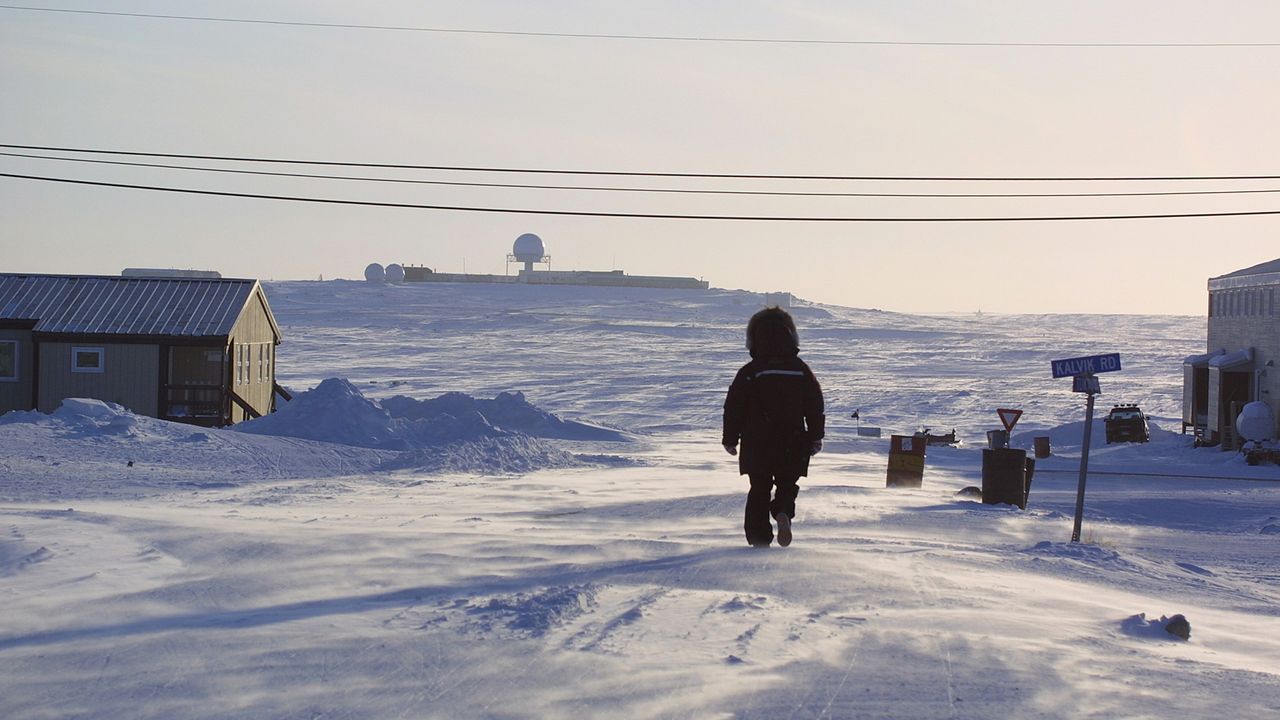
Scientists thickened Arctic ice by 3.5 inches in a week by spraying seawater, proving the method’s feasibility. This matters because accelerating Arctic ice loss worsens global warming and threatens e
Scientists have pulled off the first real-world test of a way to “refreeze” Arctic ice by pumping seawater onto its surface—but the breakthrough comes
Read Full Story at Live Science →Why This Matters
The Arctic’s vanishing ice isn’t just an ecological tragedy—it’s a planetary feedback loop. As reflective ice gives way to dark ocean, more sunlight is absorbed, accelerating warming that ripples through global weather systems. This experiment suggests humanity might finally have a tool to interrupt that cycle, even if only at the margins. What’s unsettling is that the solution could be as much about buying time as about reversing damage.
Background Context
Desperate times have led to desperate measures: geoengineering proposals like this one have lurked in the margins of climate science for decades, dismissed as either sci-fi or a distraction from emissions cuts. Yet the Arctic’s ice loss has outpaced even the direst IPCC projections, forcing researchers to test interventions once deemed too risky. The fact that this trial succeeded where others failed—using existing technology and modest funding—hints at a shifting calculus in climate policy circles.
What Happens Next
Scale is the obvious hurdle. Thickening ice across a meaningful swath of the Arctic would require fleets of autonomous vessels operating year-round, at a cost that dwarfs current climate budgets. Regulatory and geopolitical hurdles loom, too—the Arctic is a flashpoint for territorial disputes, and unilateral climate interventions could spark diplomatic crises. Watch for follow-up tests in larger, more contested regions to see if this method can work beyond controlled environments.
Bigger Picture
This experiment fits a growing pattern of climate interventions venturing from theory to trial, from ocean fertilization to stratospheric aerosol injections. The Arctic, already a testing ground for geopolitical competition, may soon become the crucible for a new kind of climate triage—where desperate remedies are weighed against their own unintended consequences. The real question isn’t whether we can artificially thicken ice, but whether we’ll accept the trade-offs of doing so at scale.