Largest all-electric aircraft completes first test flight using $5 in electricity
The largest all-electric aircraft completed its first test flight, using only $5 worth of electricity. This success highlights the potential for electric propulsion to reduce emissions and operationa…
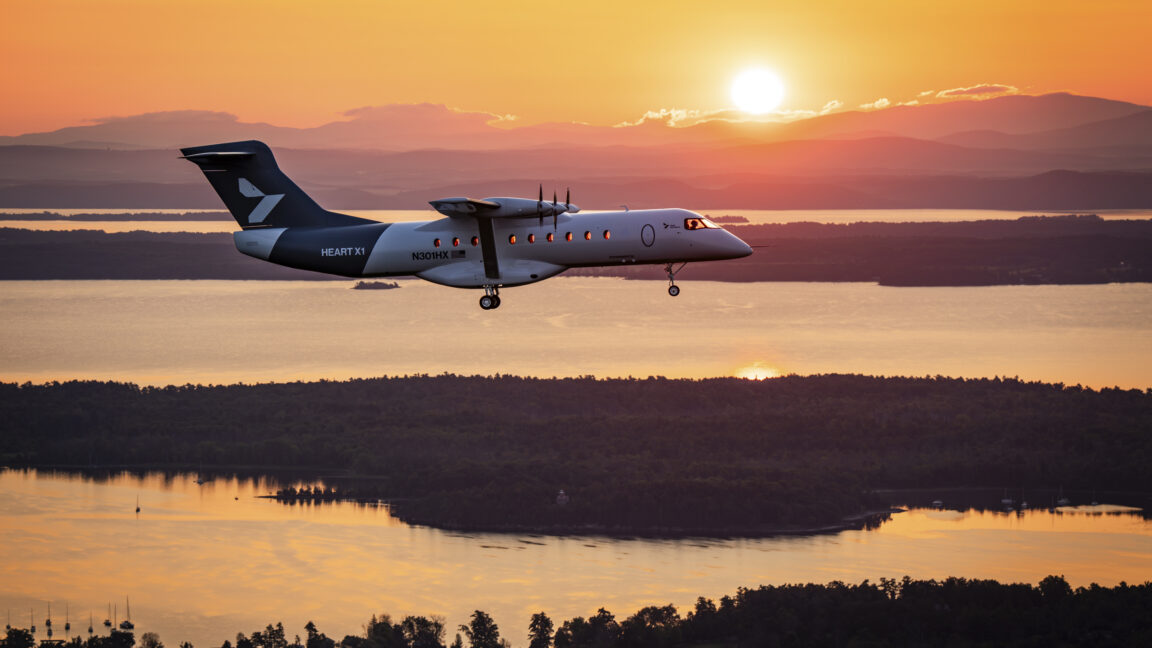
The largest all-electric aircraft successfully completed its first test flight, consuming just $5 worth of electricity. This milestone took place on a recent test date in Washington State, marking a significant step toward the future of sustainable aviation.
The test flight comes amid growing concerns about climate change and the aviation industry's carbon footprint. As air travel is responsible for approximately 2-3% of global greenhouse gas emissions, there is increasing pressure on the sector to adopt greener technologies. Airline companies and government agencies are investing heavily in electric and hybrid-electric aircraft to reduce emissions and improve energy efficiency. The successful flight of this aircraft, developed by a consortium of airline-backed ventures, demonstrates the feasibility of electric propulsion in commercial aviation.
The aircraft, designed to carry passengers and cargo, boasts a range of advanced technologies aimed at maximizing energy efficiency. With the capability to fly shorter regional routes, it could serve as a viable alternative to traditional jet fuel-powered planes. The test flight achieved a significant milestone not only in demonstrating the aircraft's capabilities but also in showcasing the potential for drastically lower operational costs. Industry experts suggest that electric aircraft could lead to substantial savings in fuel expenses, potentially transforming the economics of regional air travel.
Looking ahead, this successful test flight could pave the way for more extensive testing and eventual certification. If the aircraft can prove its reliability and efficiency, it may soon enter commercial service, contributing to a shift in how we think about air travel. The implications for reducing emissions and operating costs could be profound, making air travel more sustainable and affordable in the coming years.
Read Full Story at Ars Technica →