‘Flavor is under siege in this country’: how food in America lost its taste
Industrial farming’s focus on yield, durability, and shelf life has drained flavor from America’s food supply over the past century, replacing taste with visually perfect but bland produce, according to breeders and scientists. A counter-movement of farmers and geneticists now advocates reviving flavorful varieties—like Wisconsin-bred sweetcorn that stunned tasters—to address nutrition, culture, and sustainability, though commercial farming often rejects such fragile, low-yield crops.
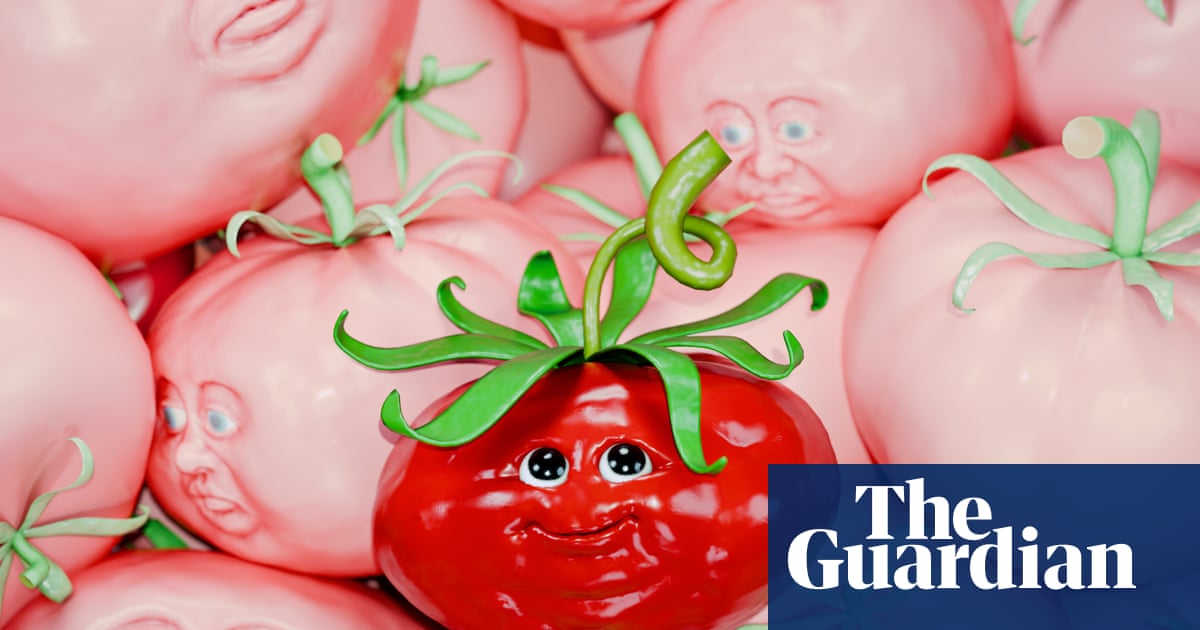
A quiet but profound crisis has unfolded in American agriculture over the past century: the systematic erosion of flavor in the nation’s food supply, driven by the relentless efficiency of industrial farming. While supermarkets brim with visually perfect produce, breeders, chefs, and scientists warn that taste—once a defining characteristic of fresh food—has been sacrificed at the altar of yield, durability, and shelf life. The consequences extend beyond culinary disappointment, raising questions about whether the prioritization of quantity over quality has diminished not just the eating experience but also the nutritional and cultural value of what Americans consume daily. Now, a growing movement of farmers, plant geneticists, and gastronomic innovators is pushing back, arguing that flavor’s decline is not inevitable—and that its restoration could even address broader societal challenges, from public health to environmental sustainability.
At the heart of this struggle lies a fundamental tension between tradition and industrialization, embodied by figures like Bill Tracy, a sweetcorn breeder whose four decades of work in Wisconsin’s fields have yielded varieties so flavorful they elicit spontaneous exclamations of wonder. Yet Tracy’s most remarkable creations—like a corn so delicious that the first 100 tasters reportedly gasped in unison—remain confined to experimental plots, deemed unfit for commercial farming due to their fragility or lower productivity. His experience is far from unique. Across the country, breeders and small-scale farmers cultivate heirloom tomatoes bursting with complexity, apples with layered sweetness, and greens with peppery depth, only to find that the industrial food system, optimized for mass production and long-distance transport, has little use for them. The result is a paradox: while America produces more food than ever before, much of it has been stripped of the very qualities that once made eating a sensory pleasure. Arielle Johnson, a flavor scientist and author of *Flavorama*, describes the shift as undeniable. “The plants we eat today are simply less flavorful than those of the past,” she asserts, pointing to the homogenizing effects of modern agricultural practices that favor uniformity and resistance to pests over taste.
The decline of flavor is not merely a matter of nostalgia but a symptom of deeper systemic issues within the food industry. Industrial farming’s focus on high-yield, fast-growing crops has led to the widespread adoption of varieties bred for resilience rather than taste, often at the expense of nutritional density. Studies suggest that some modern fruits and vegetables contain lower levels of vitamins, minerals, and antioxidants compared to their historical counterparts, a trend that parallels the diminishing complexity of their flavors. Meanwhile, the consolidation of seed companies and the narrowing of genetic diversity have further constrained the range of tastes available to consumers. Chefs like Dan Barber, whose farm-to-table restaurant Blue Hill at Stone Barns has become a beacon for flavor-centric cuisine, argue that this impoverishment of the palate has broader implications. “When food lacks depth, people compensate with salt, sugar, and fat,” Barber notes, “which contributes to the very health crises—obesity, diabetes, heart disease—we’re trying to combat.” The irony, he and others suggest, is that a food system designed for abundance may be undermining the well-being of those it feeds.
Yet amid the grim assessments, there are signs of a resurgence. A loose but determined coalition of farmers, chefs, and scientists is working to reclaim flavor as a cornerstone of American agriculture, not just as a culinary ideal but as a practical solution to some of the food system’s most pressing problems. From seed banks preserving heirloom varieties to restaurants partnering directly with breeders to showcase superior-tasting produce, the movement is gaining momentum. Advocates argue that flavor could be the key to reviving interest in fresher, healthier, and more sustainable food—if only the industry’s gatekeepers can be convinced of its value. For Tracy, Johnson, Barber, and their allies, the fight is as much about economics as it is about taste: proving that flavor can be scalable, profitable, and even a catalyst for systemic change. As Johnson puts it, “Flavor isn’t just a luxury; it’s a language that connects us to our food, our health, and our environment. Losing it would be a tragedy—but bringing it back could be revolutionary.”