Delray Beach cancels St. Patrick's Day parade over anti-DEI law
Delray Beach, Florida, has canceled its St. Patrick's Day parade and withdrawn sponsorship for LGBTQ Pride celebrations due to a new state law limiting taxpayer funding for diversity initiatives. Thi…
Delray Beach, Florida, has canceled its long-running St. Patrick's Day parade due to a new state law that restricts taxpayer funding for diversity initiatives. The city announced the decision this week, marking a significant change for a celebration that has taken place annually since 1970. Officials also stated they would withdraw sponsorship for the upcoming LGBTQ Pride celebrations in June, citing legal concerns stemming from the recently enacted legislation.
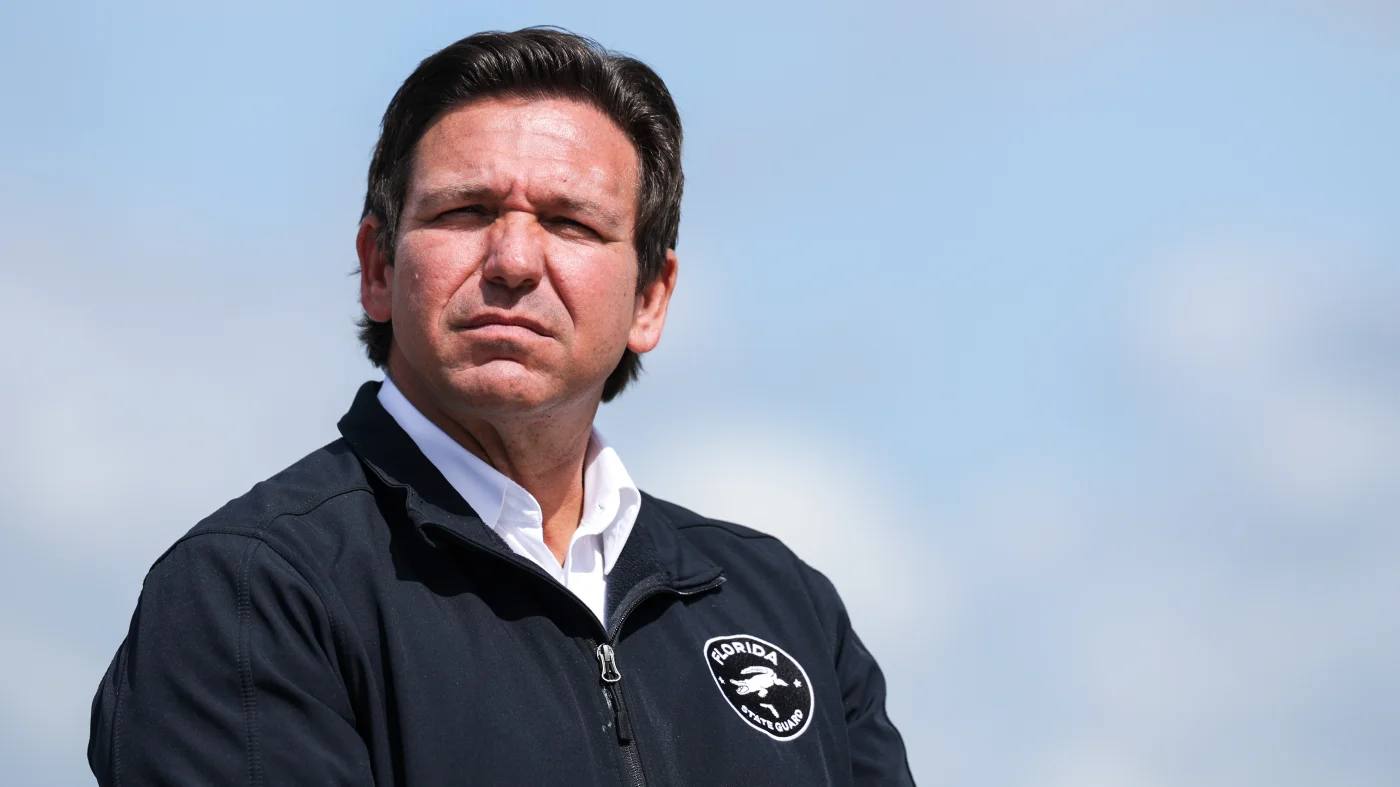
The law, signed by Governor Ron DeSantis, is part of a broader effort to curtail diversity, equity, and inclusion (DEI) programs within public institutions. The Delray Beach city attorney advised that any government-sponsored events celebrating culture or heritage that are not recognized national holidays could violate the law. Mayor Tom Carney described the decision to cancel the parade as difficult, emphasizing its importance to the community and its historical significance.
In previous years, the parade attracted large crowds and showcased local businesses, school bands, and community organizations. Mayor Carney noted that the event is "engrained in the DNA of Delray," reflecting the city's Irish heritage. He expressed hope that the celebration could continue if a private sponsor steps in to take over the organization of the parade. Carney highlighted the value of cultural celebrations, stating that they should be supported as expressions of freedom within the community.
Returning to a privately sponsored model could restore the parade to its roots, as it was organized by local volunteers for many years before becoming a city-sponsored event. Carney mentioned his family's involvement in the parade during the 1980s and 1990s, showing a personal connection to the festivities. The city remains open to finding a way to preserve these beloved events, provided they comply with public policy and are funded privately.
Read Full Story at NPR News →