Humans domesticated dogs 15,000 years ago
Humans domesticated wolves 15,000 years ago, creating hundreds of dog breeds adapted to diverse roles and environments. This long co-evolution shaped dogs’ physical traits and behaviors to meet human…
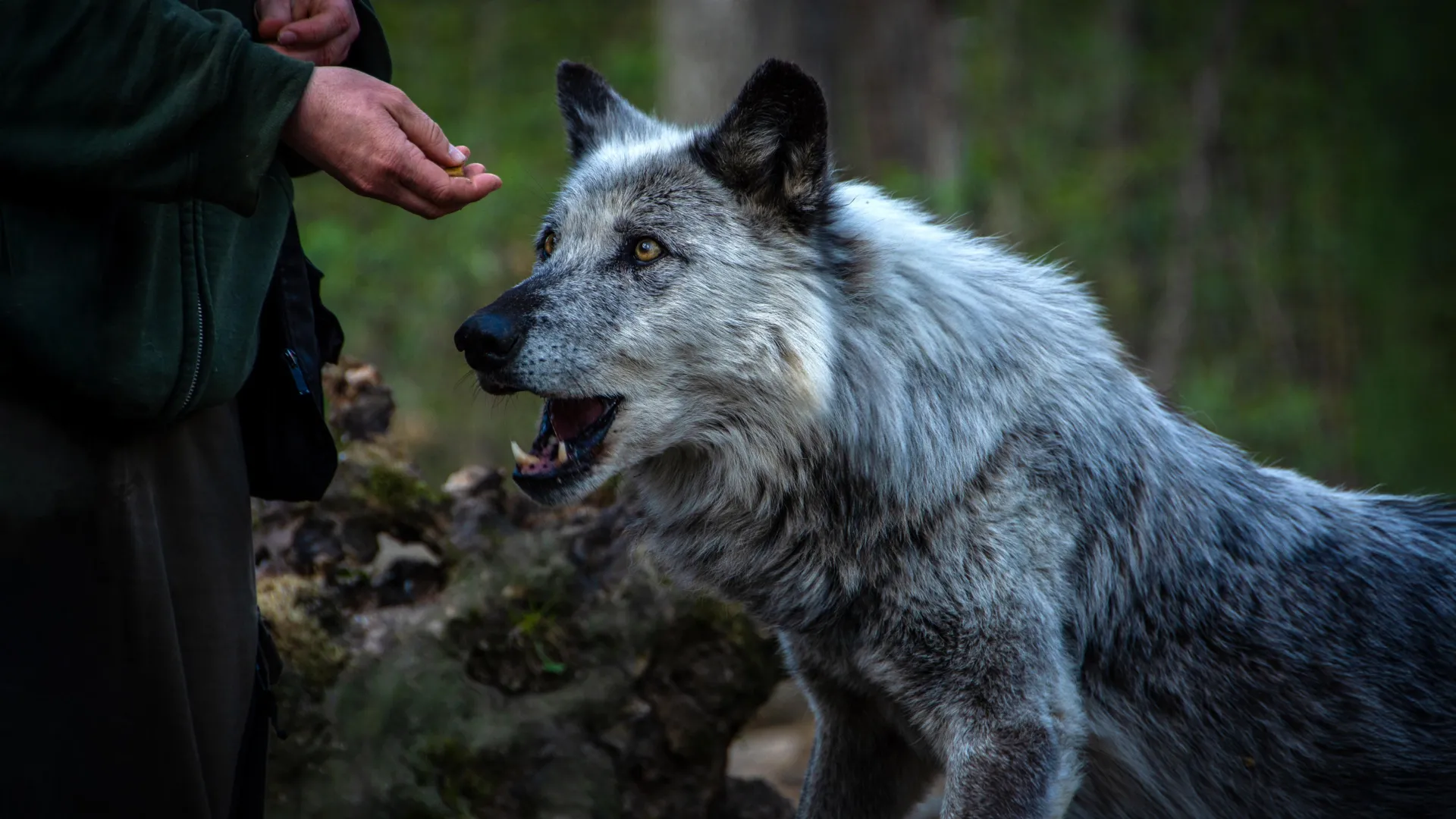
For about 15,000 years, humans and dogs have been reshaping each other’s lives in ways that go far beyond companionship. The bond began with early hunter-gatherers, who first tamed wolves into working partners, and has since evolved into a global partnership that has produced hundreds of distinct breeds. From the freezing Arctic to dense rainforests and high-altitude mountain villages, dogs have adapted physically and behaviorally to meet the diverse demands of human societies.
This long-term co-evolution was driven by survival needs, cultural practices, and environmental pressures. Hunters relied on canine partners for tracking and protection. Arctic communities developed thick-coated sled dogs to pull heavy loads across snow and ice. In mountainous regions like the Andes, dogs evolved to thrive at high altitudes where oxygen is scarce. Elsewhere, selective breeding created wool-producing dogs, ceremonial companions, or even hairless varieties for warmer climates. Each shift reflected a human need—and over generations, dogs changed too.
Recent genetic studies confirm that dogs have been shaped by both natural and human-driven selection. Some breeds carry genes linked to cold tolerance, endurance, or specialized skills such as herding or hunting. Others developed traits for roles that went beyond utility, like spiritual companionship or status symbols. Today, over 340 recognized breeds exist worldwide, each telling a story of adaptation and partnership stretching back millennia.
What started as a survival alliance has become one of humanity’s most enduring collaborations. It’s not just about pets or working animals—it’s a reminder that our fates have been intertwined for thousands of years. As climate change and new technologies reshape the future, understanding this ancient bond may help us navigate how dogs—and humans—adapt next.
Read Full Story at ScienceDaily →