Native American survivors demand justice and accountability for boarding school trauma
Native American boarding school survivors are demanding recognition and justice for the trauma they endured, highlighting the need for accountability as many seek closure. Recent investigations into …
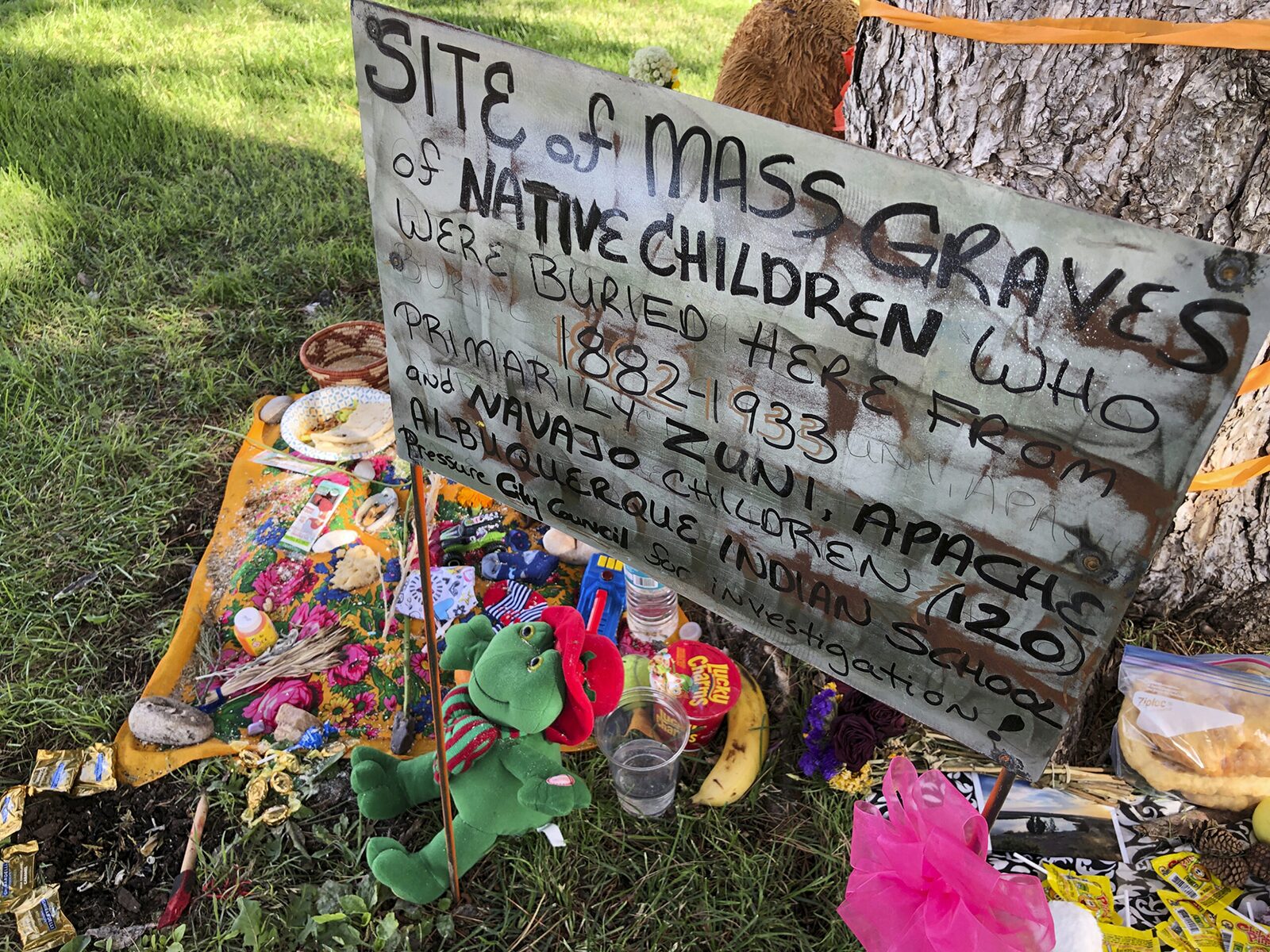
Native American boarding school survivors are calling for recognition and justice as the U.S. confronts its historical injustices. This movement has gained momentum in recent months, with survivors sharing their stories and demanding accountability for the trauma they endured. The push for truth and healing is crucial, especially as many survivors age and seek closure.
The establishment of Native American boarding schools in the 19th and 20th centuries aimed to assimilate Indigenous children into mainstream American culture. Many children were forcibly taken from their families, stripped of their languages, and subjected to harsh discipline. The legacy of these schools is a painful chapter in American history, contributing to the ongoing struggles faced by Indigenous communities today, including mental health issues, loss of cultural identity, and intergenerational trauma. Recent investigations have uncovered mass graves at former school sites, intensifying calls for reconciliation.
In June 2021, the U.S. government acknowledged the need to address the impact of these schools. The Interior Department launched an initiative to identify burial sites and document the experiences of survivors. However, survivors and advocates argue that more needs to be done, including reparations and formal apologies. As the federal government takes steps, many survivors are sharing their stories publicly, urging others to listen and understand the long-lasting effects of these institutions.
Moving forward, healing requires a commitment from both the government and society. This includes educational initiatives that teach the true history of Native American boarding schools and support for cultural revitalization efforts. For survivors, the time for truth and healing is now; they seek acknowledgment of their pain and a pathway to restore their dignity. The broader conversation about racial justice in America cannot ignore the scars left by these institutions, and addressing these injustices is essential for creating a more equitable future.
Read Full Story at Religion News Service →