Robert Gilman released from Russian imprisonment after Trump-Putin negotiations
Former U.S. Marine Robert Gilman was released from Russian imprisonment after four years, following negotiations between President Trump and President Putin. His case underscores concerns about the t…
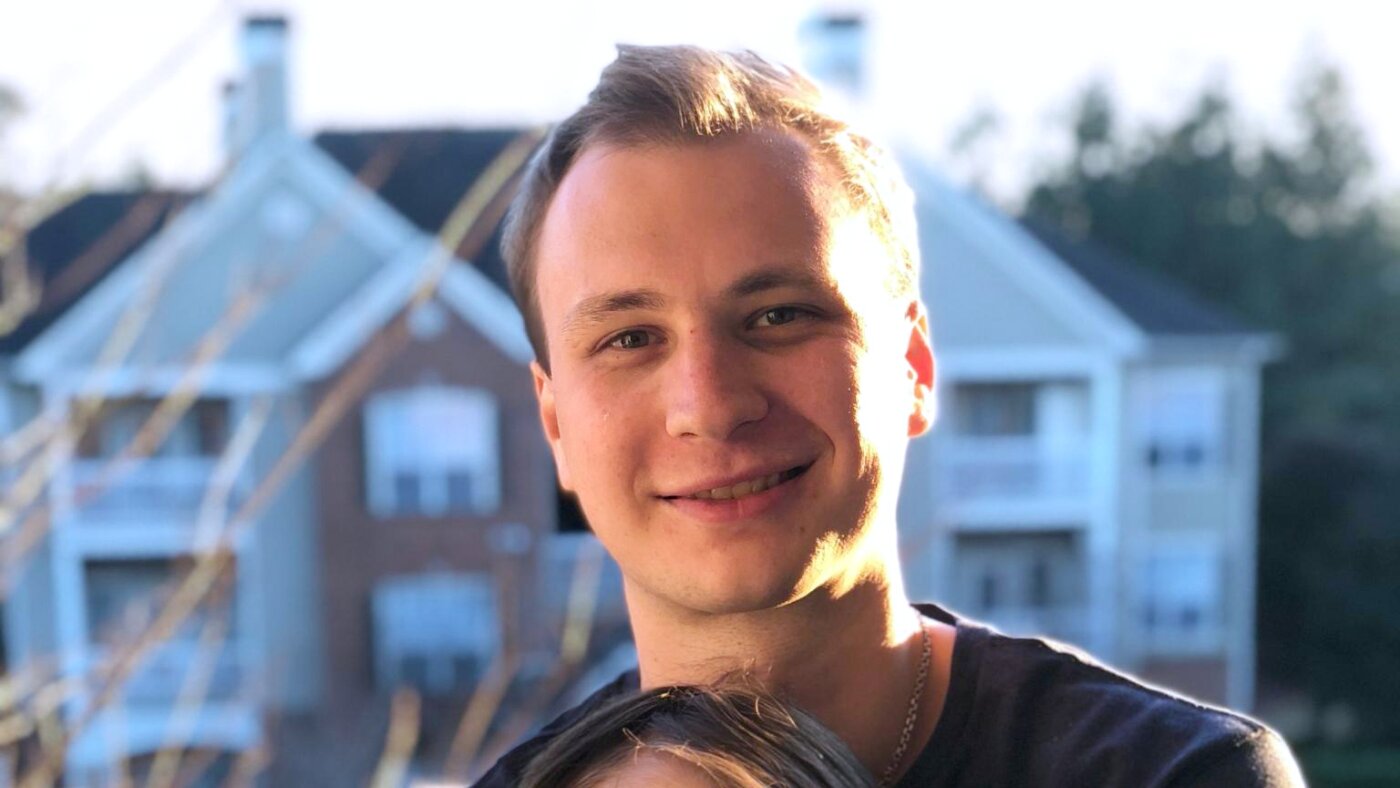
Russia released former U.S. Marine Robert Gilman on Tuesday, allowing him to return to the United States after four years of what his family and U.S. officials describe as wrongful imprisonment. Gilman, 32, was freed following discussions between President Donald Trump and Russian President Vladimir Putin, with Trump indicating that the release was made "on a humanitarian basis."
This development comes amid growing concerns over the treatment of U.S. citizens in Russia, where arrests of Americans have surged in recent years. Critics fear that the Kremlin may be using these detentions as leverage in negotiations to secure the release of Russian nationals jailed in the U.S. and Europe. Currently, five other Americans remain imprisoned in Russia, reportedly facing serious health issues, according to Global Reach, an organization advocating for their release.
Secretary of State Marco Rubio shared a photo of a frail-looking Gilman, wrapped in an American flag and surrounded by family aboard a plane, expressing gratitude for his return while emphasizing the need to secure the release of all unjustly detained Americans. Gilman is expected to arrive at Andrews Air Force Base in Maryland on Tuesday evening before being transferred to a military hospital in Texas for medical and psychological evaluation.
Gilman was originally detained in 2022 on charges related to a disturbance on a train, which escalated to serious charges of assaulting prison staff. His father disputes these allegations, while the U.S. State Department has labeled Gilman’s treatment as wrongful detention. His sister Lexie Hudson has thanked Trump and Senator Ed Markey for their roles in securing his release, highlighting the personal and political efforts involved in bringing him home.
Read Full Story at NPR News →