Firefighters stop spread of 1,700-hectare wildfire in Landes, France
Firefighters halted the spread of a 1,700-hectare wildfire in France’s Landes forest, but it remains unextinguished. The blaze highlights how climate-driven droughts and flammable pine monocultures a…

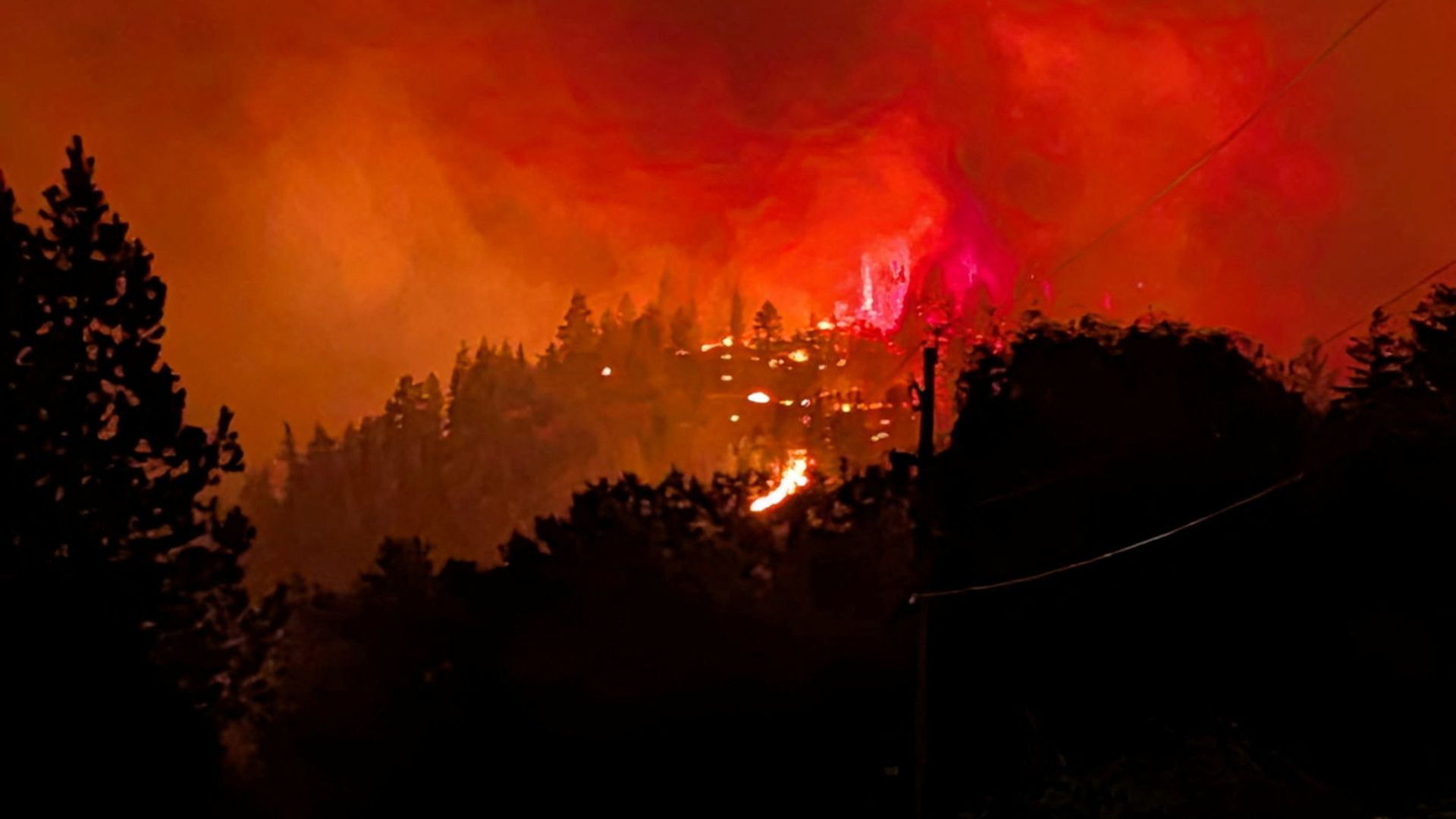
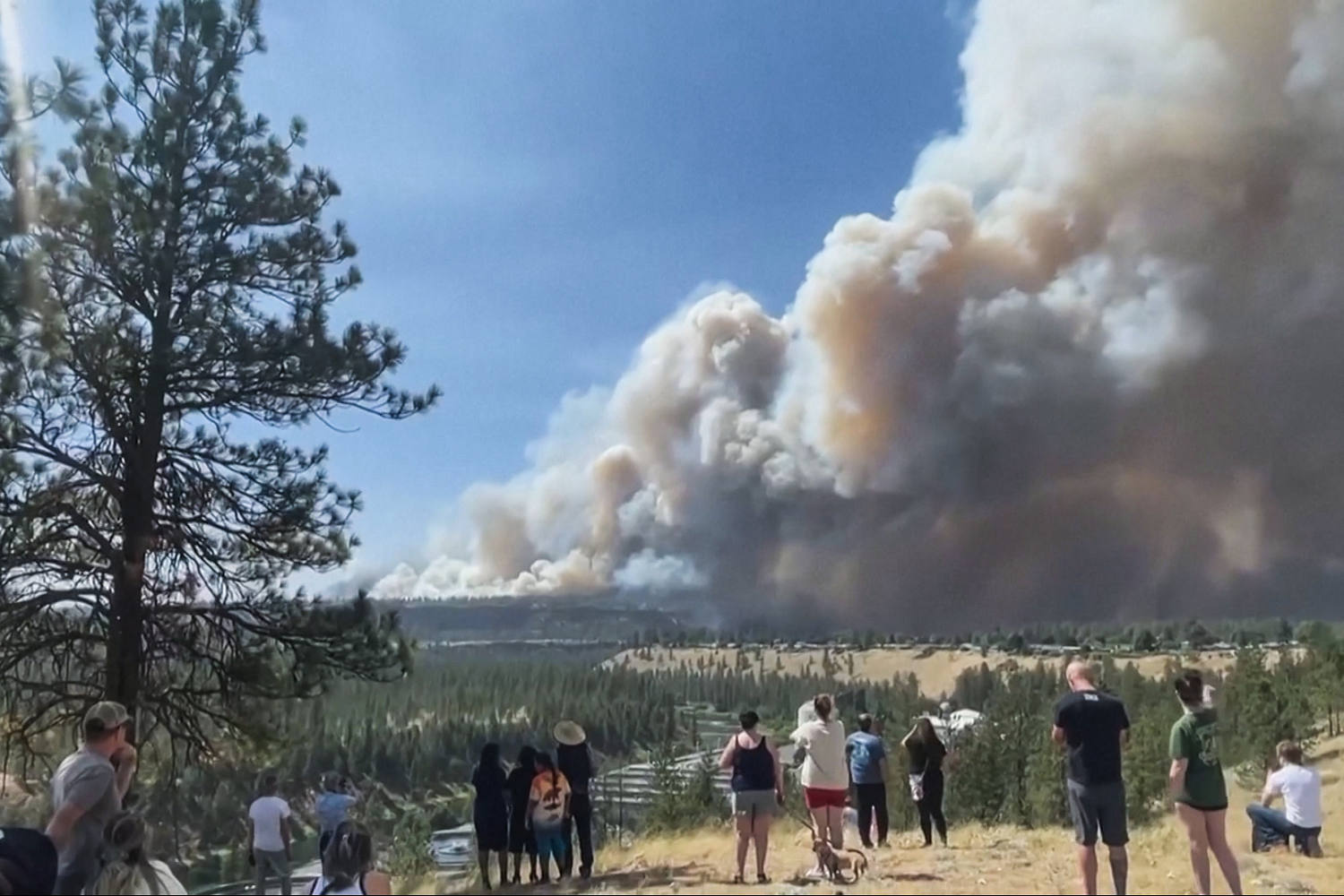
Firefighters in southwestern France have halted the expansion of a massive wildfire in the Landes region, though the blaze remains out of control and poses a continued threat to local infrastructure and ecosystems. The fire has consumed approximately 1,700 hectares of forest, an area roughly equivalent to 2,500 football pitches, turning vast stretches of the European Union’s largest contiguous forest into ash. Despite the progress in stopping the lateral spread, the intense heat and dry conditions have prevented crews from fully extinguishing the flames. Consequently, residents who were evacuated earlier remain unable to return to their homes, as authorities maintain safety perimeters to prevent any sudden flare-ups from endangering life or property.
This incident underscores the growing vulnerability of France’s forest landscapes to extreme weather events driven by climate change. The Landes forest, located in the Nouvelle-Aquitaine region, is predominantly composed of maritime pine trees, a species that is highly flammable due to its resin content. For decades, this monoculture has been criticized by ecologists for its lack of biodiversity and its susceptibility to catastrophic fires, a risk that has been exacerbated by increasingly frequent and severe droughts in southern Europe. The current blaze is not an isolated anomaly but part of a troubling trend that has seen France battle record-breaking fire seasons in recent years. Rising temperatures and prolonged dry spells have turned the forest floor into tinder, allowing fires to ignite easily and spread rapidly before containment efforts can take hold. The timing of this fire, occurring during a period of heightened heat warnings, highlights the urgent need for adaptive forest management strategies that prioritize resilience over timber production.
The response to the crisis involves a massive mobilization of resources, with 550 firefighters and military personnel working on the ground alongside six water-bombing aircraft. These teams are engaged in a grueling effort to create firebreaks and cool hotspots, a process that is significantly hindered by the difficult terrain and the persistent heat. The use of military support indicates the severity of the situation, as civilian fire services often require additional manpower and logistical support during large-scale disasters. Local officials have expressed frustration with the slow pace of recovery, noting that while the fire is no longer growing, the residual heat and smoldering embers make it impossible to declare the area safe. Evacuees are left in limbo, relying on emergency shelters and facing the prospect of significant disruption to their daily lives and businesses. The emotional and economic toll on the community is substantial, as many rely on the forest for tourism, recreation, and livelihoods related to forestry.
In the coming days, the focus will shift from containment to full extinguishment, a process that could take several more days depending on weather conditions. Meteorologists are closely monitoring humidity levels and wind patterns, as any shift could reignite the fire or cause it to jump containment lines. Authorities are also beginning to assess the environmental damage, which extends beyond the immediate burn area to include soil degradation and the loss of wildlife habitats. Long-term, this event is likely to fuel further debate in France about the future of the Landes forest. Critics argue that the current management model is unsustainable and calls for a transition to mixed-species forests that are more resistant to fire and climate stress. For now, however, the immediate priority remains protecting lives and preventing the fire from reigniting, a delicate balance that requires constant vigilance and substantial resources. The outcome of this crisis will serve as a test case for how effectively European nations can manage the escalating risks of climate-driven disasters.
Read Full Story at France 24 →