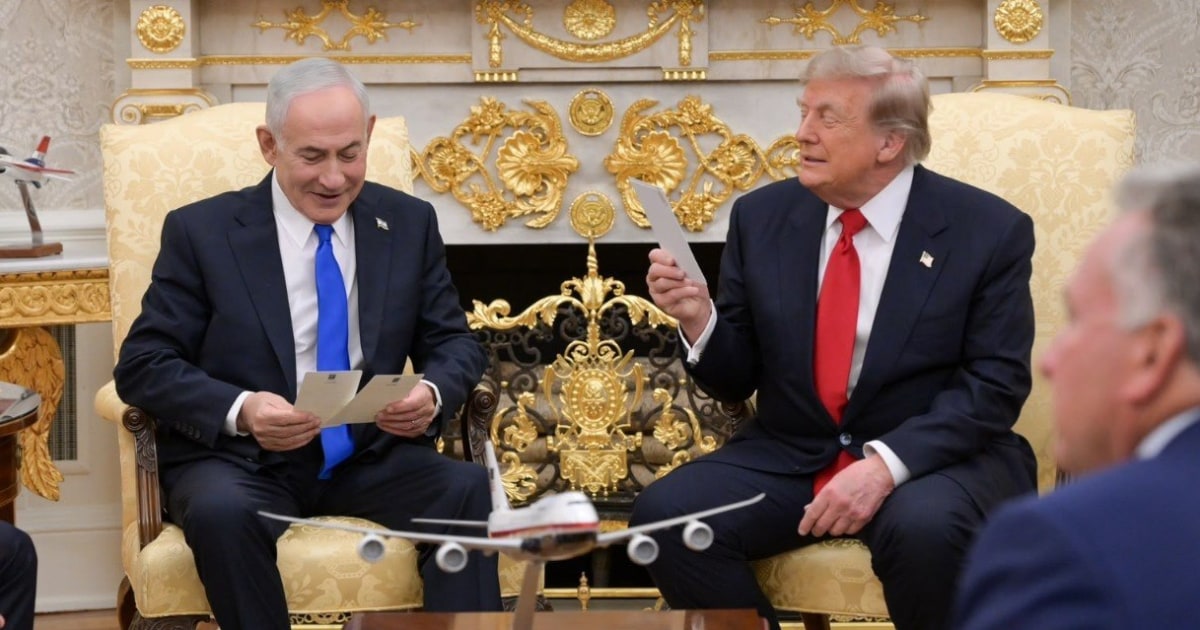
Top Republicans label Islam a 'civilizational threat' ahead of 2024 elections.
Top Republicans are increasingly labeling Islam as a "civilizational threat," reflecting a troubling escalation in anti-Muslim rhetoric as the 2024 elections approach. This shift not only alienates A…
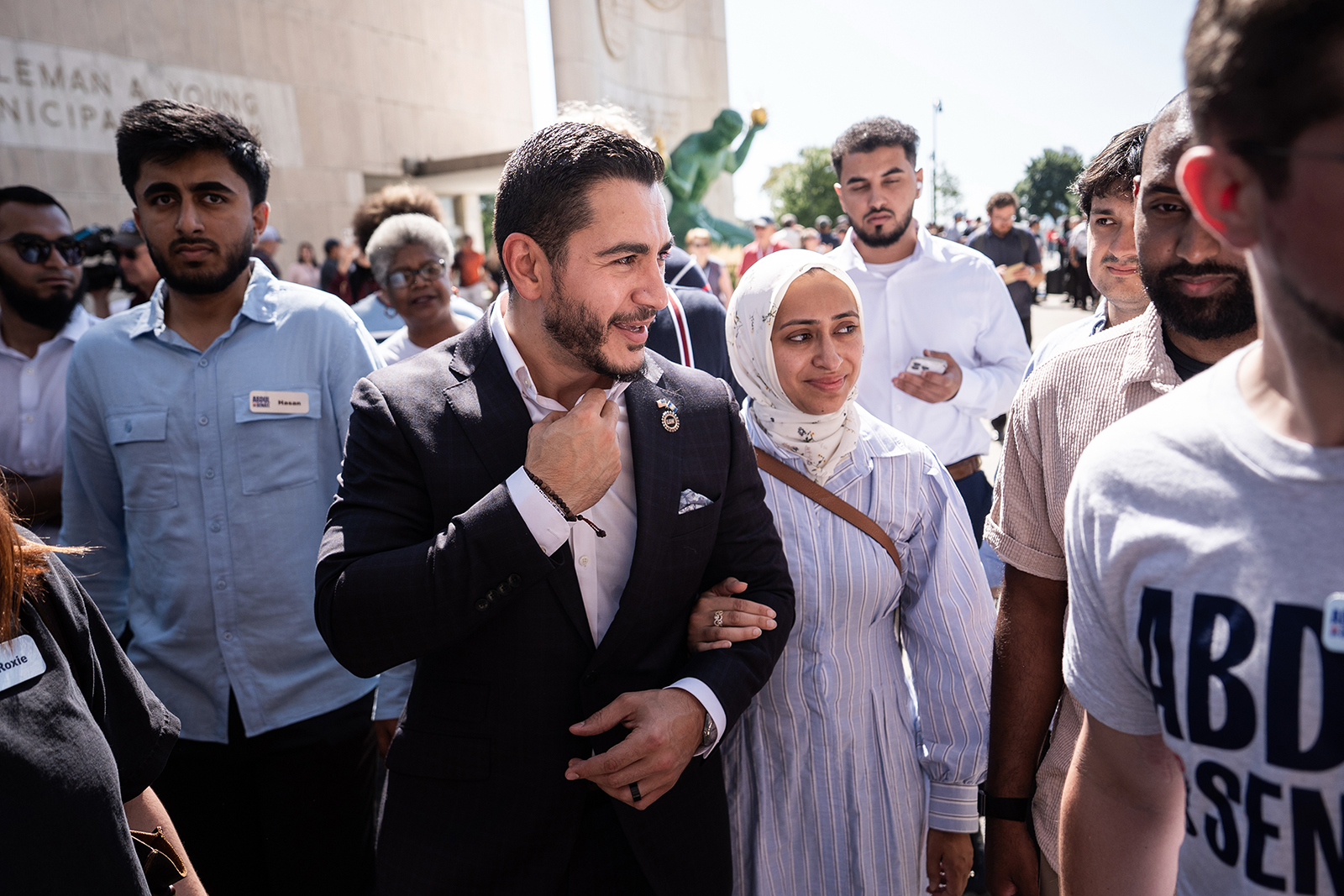
Top Republicans are ramping up anti-Muslim rhetoric, with some party leaders now labeling Islam as a "civilizational threat." This shift in language was highlighted recently during a political event where comments targeting Muslim communities and leaders like Michigan gubernatorial candidate Abdul El-Sayed were made. These statements mark a significant escalation in the discourse surrounding Islam in American politics, indicating a troubling trend towards normalization of anti-Muslim sentiment.
This surge in hostile rhetoric comes in the wake of increased polarization leading up to the 2024 elections. As the Republican Party seeks to unify its base, some leaders are leveraging fear-based messaging to galvanize support. The rise of far-right movements across the globe has also contributed to this shift, as politicians draw inspiration from international examples of anti-Muslim sentiment gaining traction. Experts warn that this kind of language can incite violence and deepen divisions within society, as it portrays Muslims not just as a group with differing beliefs, but as an existential threat to American values.
Reactions to this alarming trend have been swift. Advocacy groups and civil rights organizations have condemned the remarks, calling them dangerous and inflammatory. They argue that such language not only alienates millions of American Muslims but also undermines the principles of religious freedom and tolerance that the U.S. has long championed. Polls indicate that anti-Muslim sentiment is not just confined to fringe groups; it has seeped into mainstream political discourse, affecting public perception and policy decisions at various levels of government.
Looking ahead, the implications of this rhetoric may be far-reaching. As the 2024 election approaches, the normalization of anti-Muslim sentiments could reshape political debates and voter behavior. It may also provoke a backlash from Muslim communities and their allies, potentially leading to increased civic engagement and activism. This evolving landscape highlights the urgent need for discussions around tolerance, inclusivity, and the importance of safeguarding civil rights for all Americans, regardless of their faith.
Read Full Story at Religion News Service →