Immigration lawyer mocks DOJ in visa ban hearing
An immigration lawyer mocked the DOJ during a court hearing, calling the government's mishandling of Trump's overturned visa ban a "fun issue for an administrative law class." The case highlights the…
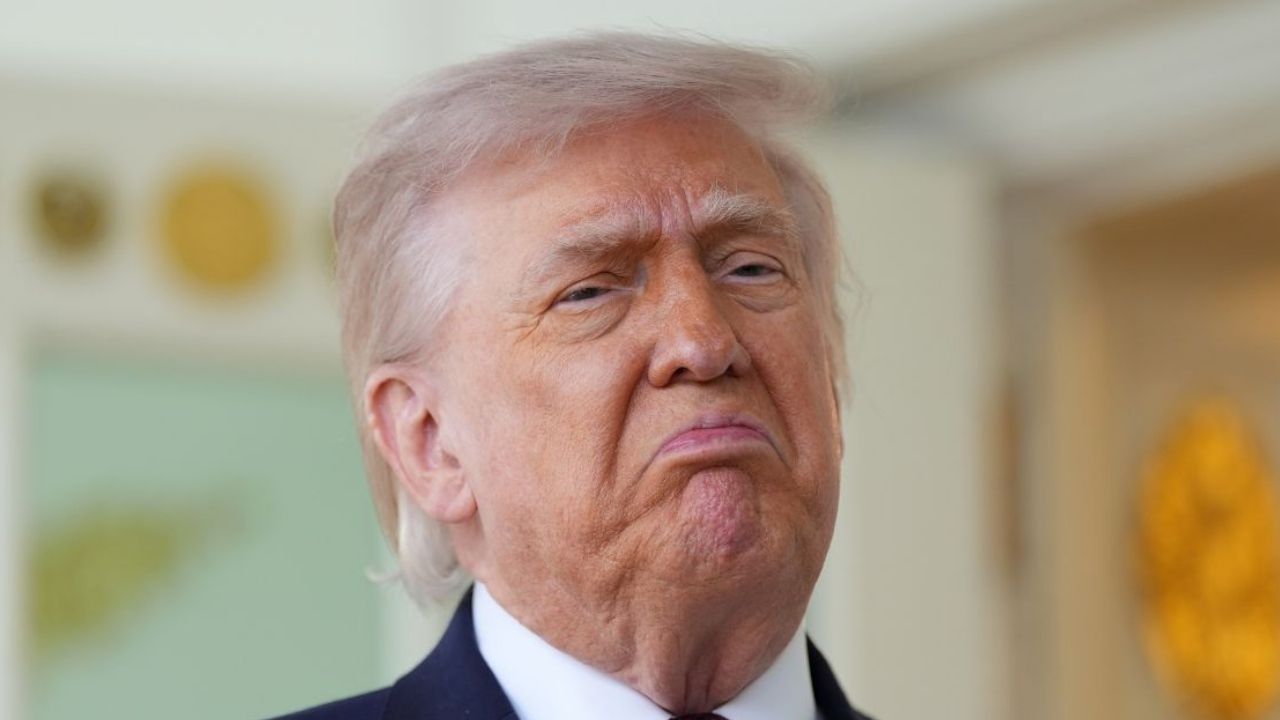
A federal appeals court hearing turned tense this week when an immigration lawyer mocked the Department of Justice (DOJ) over its handling of Donald Trump’s recently overturned visa ban, calling it a “fun issue for an administrative law class.” The remark came during arguments over the chaotic fallout from a blanket freeze on visa issuance that the government had imposed but failed to lift properly, leaving thousands of applicants in legal limbo.
The chaos stems from a policy shift that began when the Trump administration sought to restrict visas under pandemic-era public health justifications, only for courts to strike down the measures as overreach. Even after the bans were overturned, agencies struggled to restart processing, leaving consulates unsure of how to proceed and applicants stranded. The DOJ’s attempt to defend the flawed rollback process drew sharp criticism, with lawyers questioning whether officials had even followed proper administrative procedures.
During oral arguments in the Ninth Circuit, attorney Matthew Hoppock argued that the government’s reactive approach—issuing new guidance only after lawsuits forced its hand—showed “a total disregard for due process.” He compared the situation to an “administrative law exam question,” highlighting how agencies had failed to document or justify their actions under the Administrative Procedure Act. The DOJ’s response? A plea for patience, claiming the process was “complex” and still evolving.
What happens next could reshape how the government implements sudden policy reversals. If the court sides with the challengers, it may force agencies to adopt stricter documentation rules before freezing or unfreezing visa programs. That would mean more transparency—and fewer surprises—for millions of applicants caught in bureaucratic whiplash. For now, the system remains a patchwork, with consulates operating under temporary directives while lawyers and judges hash out the details.
Read Full Story at Law & Crime →