Ayatollah Khamenei buried as millions mourn in Tehran
Ayatollah Ali Khamenei’s funeral drew millions in Tehran, showcasing Iran’s state-orchestrated grief and unity after his death. His passing ends decades of iron-fisted rule, leaving a fragile regime f
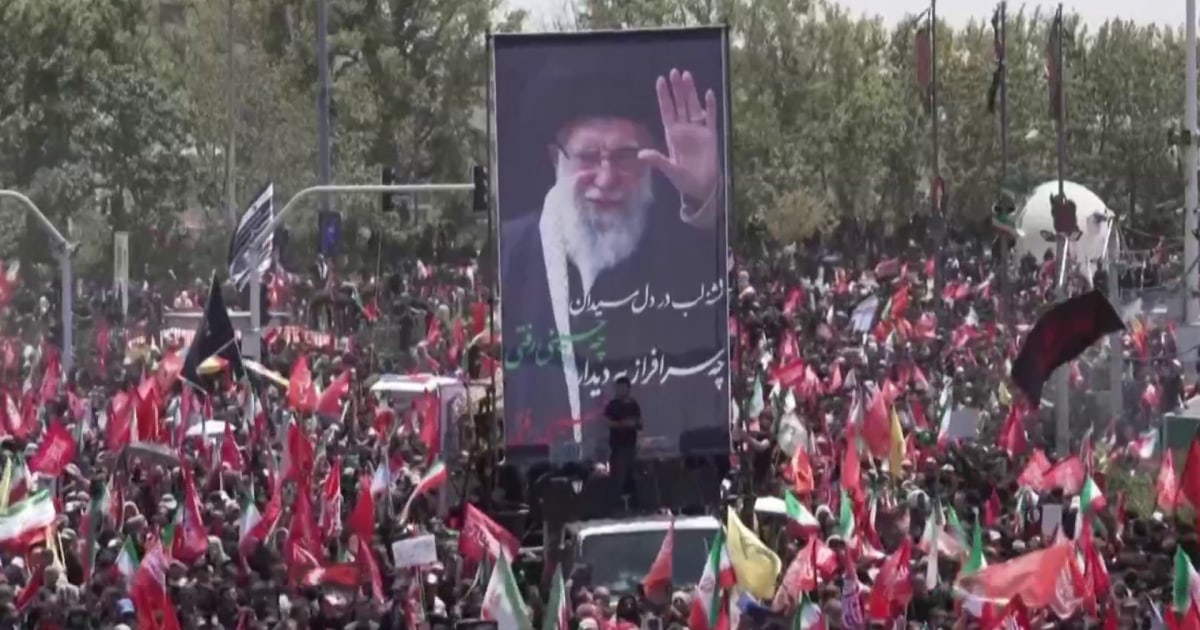
Millions of Iranians packed the streets of Tehran on Tuesday for the funeral of the country’s late supreme leader, Ayatollah Ali Khamenei, assassinate
Read Full Story at NBC News →Why This Matters
The funeral of Ayatollah Ali Khamenei marks a pivotal moment in Iran’s political history, not just as a farewell to a powerful leader but as a test of the regime’s ability to sustain legitimacy amid deepening internal fractures. The scale of state-orchestrated grief reveals both the regime’s propaganda machinery and the persistent challenges of balancing authoritarian control with public dissent.
Background Context
Khamenei’s three-decade reign was defined by a delicate balance between repression and co-optation, leveraging Iran’s theocratic institutions to suppress opposition while navigating sanctions and regional conflicts. His death arrives at a time when economic stagnation, youth discontent, and elite infighting have strained the Islamic Republic’s foundations, making succession a high-stakes gamble for the regime.
What Happens Next
The transition to a new supreme leader will likely intensify power struggles within the clerical and military elites, with factions vying to shape the next phase of Iran’s political and ideological direction. Meanwhile, the regime’s reliance on mass displays of loyalty may backfire, exposing the fragility of its claim to represent popular will.
Bigger Picture
This moment underscores the broader crisis of authoritarian resilience in the Middle East, where aging leaders’ deaths often accelerate systemic instability. Iran’s ability to manage succession without triggering unrest could serve as a bellwether for other theocratic or hybrid regimes facing demographic and economic pressures.