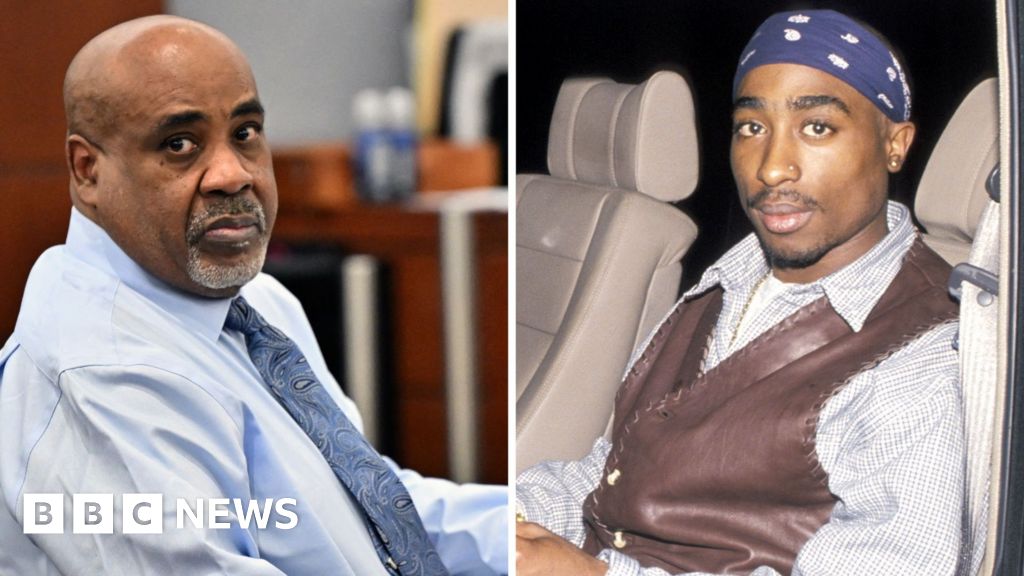
Prosecutors allege Duane “Keffe D” Davis orchestrated Tupac Shakur's murder
Prosecutors allege that Duane “Keffe D” Davis orchestrated the 1996 murder of rapper Tupac Shakur as an act of gang revenge. The trial, which has reignited public interest in the case, could bring cl…

Rapper Tupac Shakur was shot dead in an act of gang revenge ordered by a mobster who later boasted of it, jurors heard Monday, as one of America's most anticipated trials got underway, 30 years after the murder. The trial revolves around the alleged involvement of Duane “Keffe D” Davis, a former gang member accused of orchestrating the shooting that took place in Las Vegas in September 1996.
The rekindling of this case comes amid growing public interest in unsolved crimes and the cultural impact of Tupac's legacy. Shakur, a prominent figure in hip-hop, was not only known for his music but also for his activism and speaking out against social injustices. His murder has been a point of speculation for decades, with theories ranging from gang rivalries to police conspiracies. The recent reopening of the investigation, coupled with new testimonies and evidence, has prompted law enforcement to take action, leading to Davis's arrest last year.
During the trial, prosecutors are expected to present evidence, including witness statements and Davis's own admissions, which suggest he played a key role in the planning and execution of the killing. Shakur was only 25 years old when he was shot multiple times in a drive-by shooting, an event that sent shockwaves through the music community. The case has remained a symbol of the violence that plagued the hip-hop scene in the 1990s, and many see its resolution as crucial for both justice and healing.
As the trial proceeds, the focus will be on whether the prosecution can prove its case beyond a reasonable doubt. A conviction could bring closure to Shakur's family and fans, while a not guilty verdict could leave lingering questions about accountability for violence in the music industry. The outcome of this trial could also influence how similar cases are handled in the future, potentially impacting the culture of fear and silence surrounding gang-related crimes.
Read Full Story at France 24 →