Google launches Gemini 3.8 Live with animated AI avatar feature.
Google’s newest Gemini 3.8 Live update lets users chat with an AI that has a live, animated face. The “Live Avatar” appears on screen and reacts in real time, lip‑syncing the model’s text and switchi…

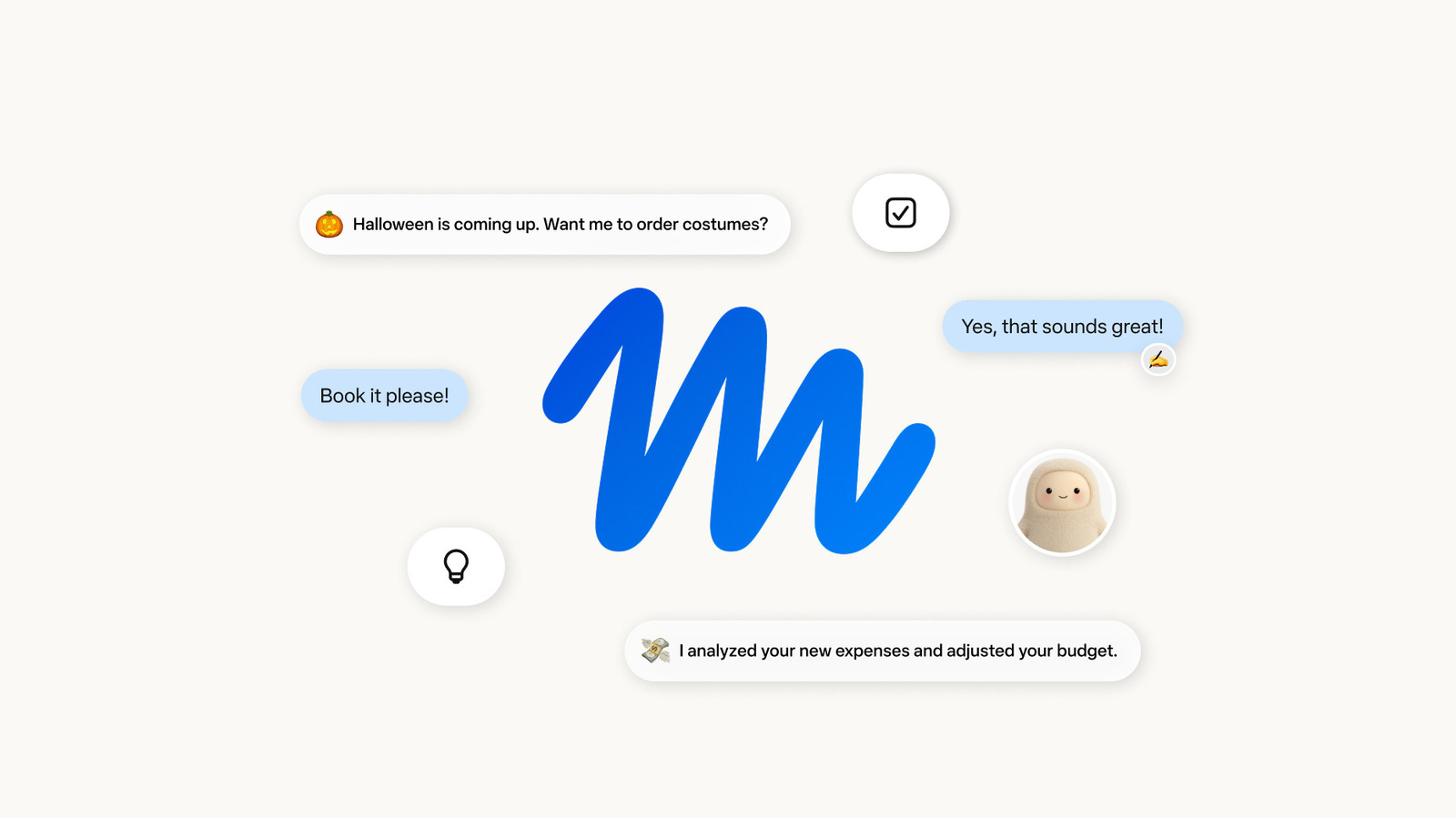
Google’s newest Gemini 3.8 Live update lets users chat with an AI that has a live, animated face. The “Live Avatar” appears on screen and reacts in real time, lip‑syncing the model’s text and switching between 97 facial expressions as the conversation unfolds. The feature is currently limited to Gemini Enterprise customers, meaning it is aimed at businesses that need a more engaging way to present AI responses.
The move comes as companies race to make AI more human‑like and accessible. Gemini, Google’s answer to OpenAI’s ChatGPT and Meta’s Llama, has already been used for everything from drafting emails to coding. Adding a visual component follows a trend where firms are experimenting with avatars, voice assistants and holographic displays to make interactions feel less robotic. For enterprise users, a visible avatar can boost trust and clarity, especially in customer service or training scenarios where tone and nuance matter. The 97‑expression library gives the avatar a wide range of emotions, from surprise to empathy, helping users read subtle cues that text alone can miss.
Technical details show that the avatar’s movements are driven by the same neural network that powers Gemini’s language model. The system analyses the generated text in real time and maps it to appropriate mouth shapes and facial gestures. Early testers report that the lip‑sync is smooth and the expressions feel natural, though some still note occasional mismatches during rapid speech. Google says the feature will be expanded to more enterprise use cases next quarter, and that a consumer‑ready version may follow once the technology stabilises. Industry analysts suggest that the rollout could give Google a competitive edge in sectors like virtual assistants, online tutoring and remote collaboration, where visual cues can enhance user engagement.
Looking ahead, Google plans to open the Live Avatar to a wider developer audience via its Gemini API, allowing third‑party apps to embed the feature. The company is also working on privacy safeguards, ensuring that the avatar does not store or transmit personal data beyond what is necessary for the conversation. If the avatar proves popular, it could set a new standard for AI interfaces, forcing competitors to adopt similar visual components or risk appearing dated. The next few months will show whether the Live Avatar can move from a niche enterprise tool to a mainstream way of interacting with AI.
Read Full Story at The Verge →