Google tests AI avatar sharing in Gemini app
Google is testing a way for users to share AI-generated avatars via its app update, enabling collaborative video creation. This could turn avatars from solo tools into interactive, social features, th
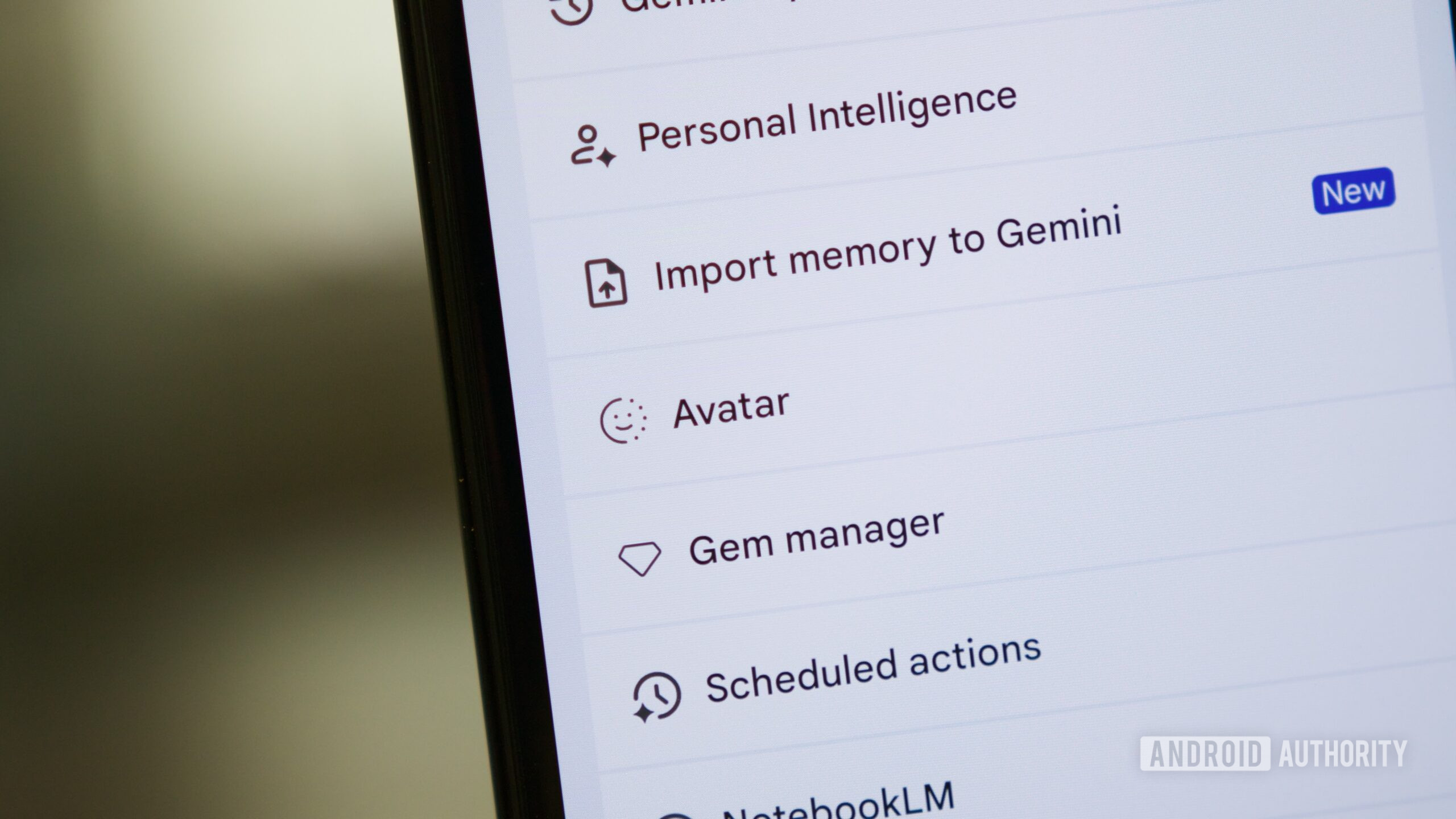
Google appears to be testing a way for users to share their AI-generated avatars with friends, letting them create videos together in a virtual space.
Read Full Story at Android Authority →Why This Matters
The shift from static, solitary avatars to shareable, collaborative AI-generated personas represents a subtle but pivotal evolution in digital identity. By enabling users to deploy avatars across social and professional interactions, Google’s update blurs the line between personal expression and interactive communication—a foundational step toward AI-driven social platforms where identity is fluid and participatory.
Background Context
AI avatars have long been confined to niche applications, from gaming profiles to corporate "digital twins," but their adoption has been limited by siloed platforms and static designs. The rise of generative AI tools like Gemini has accelerated experimentation, yet most integrations remain individualistic. Meanwhile, social media’s emphasis on visual storytelling has created pent-up demand for more dynamic, reusable digital representations.
What Happens Next
If successful, this feature could accelerate the commercialization of AI avatars, turning them into a standard for brand interactions or customer service roles. Regulatory scrutiny may also intensify around data privacy and deepfake risks, especially if avatars are repurposed without consent. Watch for competitors like Meta or Apple to adopt similar functionality, potentially sparking an arms race in AI-driven identity tools.
Bigger Picture
The move aligns with a broader trend toward "living digital assets"—content that evolves with user interactions rather than remaining static. As AI increasingly mediates human connection, the ability to share and manipulate avatars could redefine authenticity, agency, and even labor in the digital economy, raising questions about who controls these personas in an era of algorithmic influence.







