Ghana: Uncertainty hangs over new government anti-corruption plan
Ghana has launched its new National Ethics and Anti-Corruption Action Plan (NEACAP), with President John Dramani Mahama pledging to strengthen accountability, ethical leadership and public participati
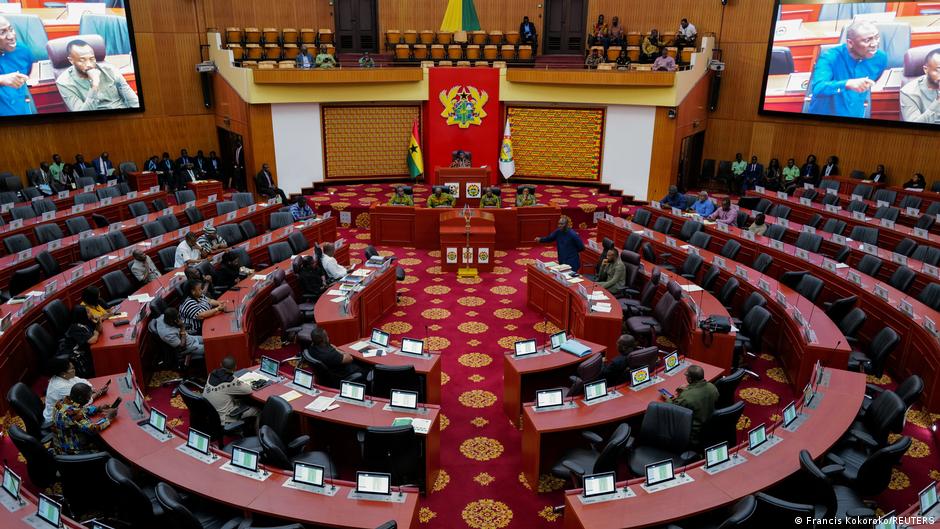
Ghana has launched its new National Ethics and Anti-Corruption Action Plan (NEACAP), with President John Dramani Mahama pledging to strengthen account
Read Full Story at DW World →Why This Matters
Ghana’s latest anti-corruption initiative arrives at a critical juncture, as public trust in institutions erodes amid persistent graft allegations. The plan’s success could redefine Ghana’s governance narrative, either restoring investor confidence or deepening skepticism about systemic reform. With regional peers like Nigeria and Kenya grappling with similar challenges, Ghana’s approach may set a precedent for balancing political ambition with tangible accountability.
Background Context
Despite Ghana’s reputation as a stable democracy, corruption scandals have repeatedly tarnished its institutions—from procurement fraud in the health sector to allegations of embezzlement in the judiciary. Previous anti-graft campaigns, including the creation of the Economic and Organised Crime Office (EOCO), have struggled to secure convictions or deter high-profile offenders. The new plan’s emphasis on ethics curricula and public participation reflects lessons from past failures, but skepticism lingers over whether political will can outlast electoral cycles.
What Happens Next
The plan’s immediate test will be its implementation, particularly in allocating resources to oversight bodies without bureaucratic bottlenecks. Civil society groups will scrutinize whether the government’s rhetoric on “public participation” translates into meaningful safeguards against elite capture. Meanwhile, opposition parties may leverage any perceived lapses to challenge the administration’s legitimacy, potentially weaponizing anti-corruption narratives in future elections.
Bigger Picture
Ghana’s struggle mirrors a broader West African trend where anti-corruption rhetoric often clashes with entrenched patronage networks and weak judicial independence. The plan’s focus on ethics education suggests a shift toward prevention over punishment, a model gaining traction in post-conflict states like Liberia. Yet, without cross-sectoral reforms—such as transparent procurement and asset declarations—such initiatives risk becoming performative rather than transformative.