Ghana's parliament passes anti-LGBTQ+ bill
Ghana's parliament passed an anti-LGBTQ+ bill imposing up to three years in prison for identifying as LGBTQ+ and requiring citizens to report same-sex relationships. Human Rights Watch condemned the bill, urging President Mahama to reject it for violating fundamental rights and international law.
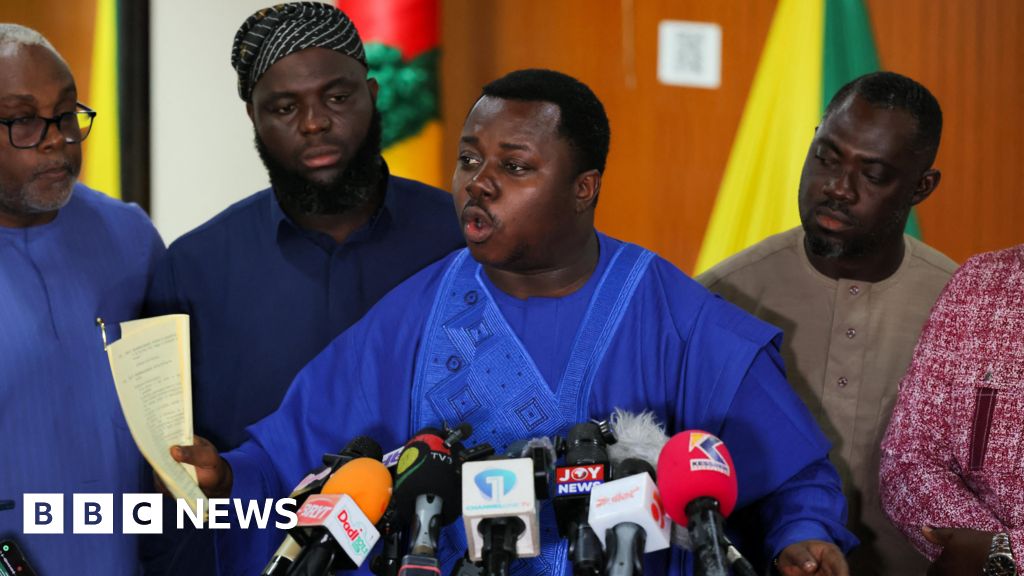
Ghana’s parliament has approved sweeping new legislation that criminalises LGBTQ+ identities and advocacy, sending a bill to President John Dramani Mahama that would impose up to three years in prison for identifying as lesbian, gay, bisexual, transgender or queer. The measure also establishes a legal “duty to report” same-sex relationships or related activities to police, effectively turning citizens into state surveillance agents. Sponsored by lawmaker Reverend John Ntim Fordjour, the bill frames LGBTQ+ identities as threats to Ghanaian family and cultural values, arguing that existing colonial-era laws must be “more robust, more encompassing and more stringent.” Exemptions are provided for legal, media and healthcare professionals only if they report or treat LGBTQ+ individuals, reinforcing the punitive intent of the legislation.
The bill’s swift passage follows sustained pressure from religious leaders and reflects a broader regional shift toward stricter anti-LGBTQ+ laws. In March, Senegal’s parliament approved a measure imposing up to ten years in prison for same-sex relations and criminalising the “promotion” of homosexuality. Uganda, meanwhile, enacted one of the world’s harshest anti-LGBTQ+ statutes in 2023, introducing the death penalty for certain same-sex acts. These developments underscore a growing trend of legislative crackdowns across West and East Africa, often justified in the name of preserving traditional values and public morality.
International human rights organisations have condemned the Ghanaian bill as dangerous and discriminatory. Human Rights Watch warned that it would place LGBTQ+ individuals at grave risk by normalising surveillance and encouraging neighbours and family members to denounce one another. The organisation urged President Mahama to reject the bill outright, citing its violation of fundamental rights to privacy, expression and equal protection under international law. In a formal submission to Ghana’s constitutional and legal affairs committee, the group stated that the legislation would further marginalise an already vulnerable population and set back decades of progress on equality.
Ghana previously passed a similar measure in 2024, but it was not signed into law after former President Nana Akufo-Addo faced legal challenges and international pressure. President Mahama, who took office in January, has signalled his support for the bill’s principles, stating his belief that only two genders exist and that marriage must be between a man and a woman. With ratification now in his hands, the coming weeks will determine whether Ghana joins its neighbours in codifying discrimination into law, or whether constitutional challenges or diplomatic pressure could yet alter the bill’s trajectory.



