GLP-1s appear to protect against cancer. Researchers are trying to figure out how
GLP-1 medications are sold under several different brand names and treat diabetes, obesity and sleep apnea. The drugs' affect on cancer is in very early stages of research. Michael Siluk/Universal Images Group via Getty Images hide caption There is mounting evidence to suggest G
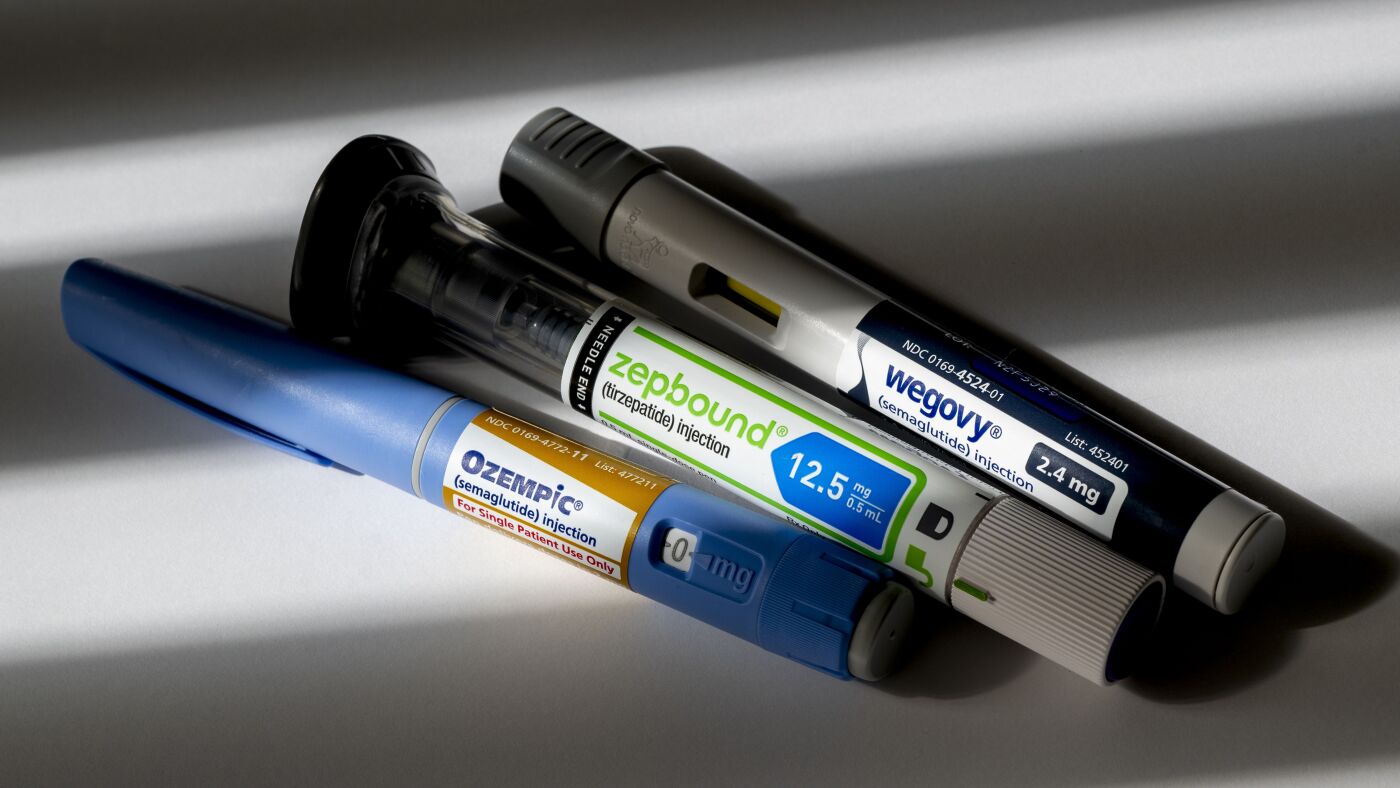
GLP-1 medications are sold under several different brand names and treat diabetes, obesity and sleep apnea. The drugs' affect on cancer is in very early stages of research. Michael Siluk/Universal Images Group via Getty Images hide caption
There is mounting evidence to suggest GLP-1 obesity treatments also help reduce cancer risk, according to several recent studies. The studies are correlative, but appear to show the drugs not only reverse the carcinogenic risks that come with obesity, they may also have additional anti-inflammatory effects that help suppress tumors.
Want the latest stories on the science of healthy living? Subscribe to NPR's Health newsletter .
GLP-1 drugs' potential use in preventing or controlling cancer was a major theme among the research presented at the influential American Society of Clinical Oncology meeting last month.
The group highlighted four studies — some of which were published in its affiliated Journal of Clinical Oncology . The most prominent among them tracked medical and prescription records of over 10,000 patients with early-stage cancer , and found GLP-1s reduced cancer risk in 6 out of 7 cancers – four of them at statistically significant levels. Breast, liver, colorectal and non-small cell lung cancer risks declined significantly; kidney and prostate declined somewhat; pancreatic cancer rates were affected the least.
It's notable that the effects were seen across cancers, not just those with a known connection to obesity. For non-small cell lung cancer, for example, the incidence of progression to Stage IV disease was 22.3% for patients not on a GLP-1 versus 10% among people taking GLP-1s.
GLP-1 drugs were originally developed decades ago as diabetes treatments that alter the hormonal makeup of the brain and gut — reducing hunger and slowing digestion. Because the drugs act on powerful metabolic levers, they've also since proven useful against obesity, heart disease, sleep apnea, as well as potentially addiction and now cancer.
Experts say these latest data are still far from being able to conclude that GLP-1s are effective treatments for cancer. These analyses used retrospective medical databases that did not include relevant nuances like a patient's comorbidities, or their exercise or eating habits, for example, says Dr. Julie Gralow , chief medical officer of ASCO.