Google launches Gemini 4, a faster successor to Flash
Google launched Gemini 4
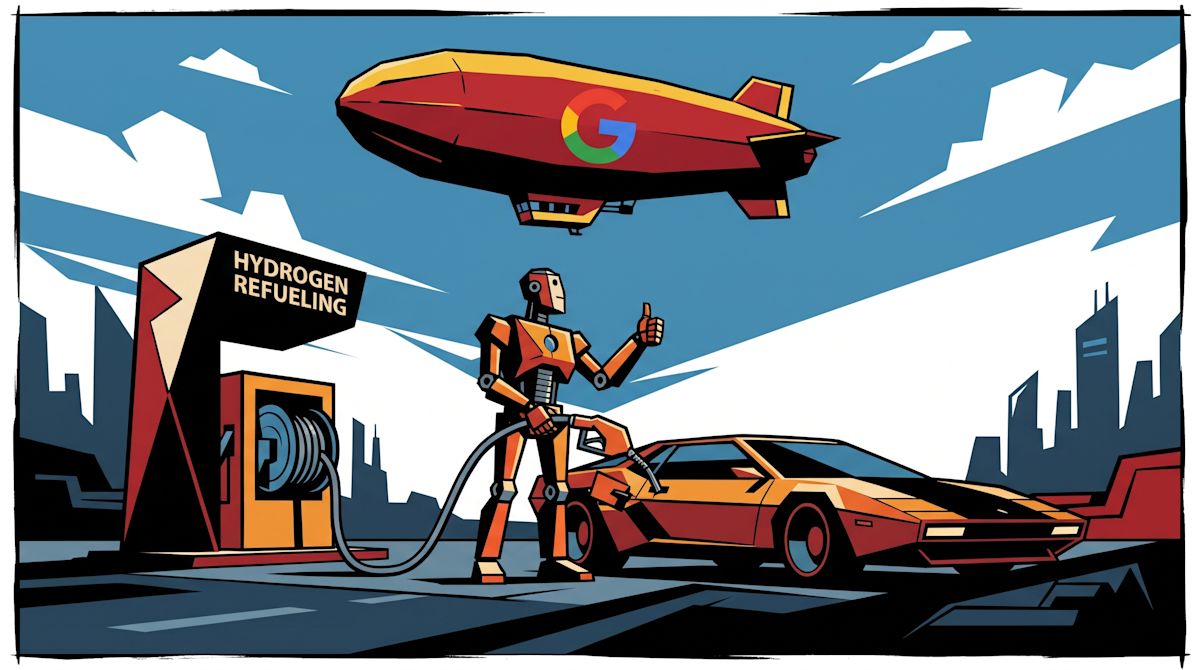
Google released Gemini 4 Hydrogen on Thursday, giving developers a faster model for writing code, working through documents and running AI agents that take several steps to finish a job. The new version follows Gemini 3, which was a mid‑cycle update to the original Gemini Flash. Gemini 4 Hydrogen is marketed as a “Flash successor” that delivers quicker responses and deeper reasoning for complex tasks. It is available through Google Cloud’s AI platform and can be accessed via the Gemini API.
The launch comes as Google pushes harder into the generative‑AI market, where OpenAI’s GPT‑4 Turbo and Anthropic’s Claude 3 compete for developer dollars. Speed and cost have become key differentiators. Gemini 4 Hydrogen adds a higher‑frequency inference engine that reduces latency by up to 30 percent compared to Flash. Google also announced a new pricing tier that charges a premium for the faster model, aiming to balance revenue with the higher compute cost. The move signals Google’s intent to keep developers on its ecosystem while keeping pace with rivals that offer cheaper, faster models.
Gemini 4 Hydrogen offers 32‑bit precision and a 200‑token context window, double the size of Flash. Early benchmarks show it can complete a 10‑line Python script in under 200 milliseconds, compared to 350 milliseconds for Flash. The model also supports multi‑step reasoning, allowing it to plan and execute a series of actions in a single call. Google says the new model can handle longer documents, improving tasks like summarisation and translation. Developers can now pay $0.02 per 1,000 tokens for the standard tier and $0.04 for the high‑performance tier.
Next, Google plans to integrate Gemini 4 Hydrogen into Google Workspace, adding AI helpers to Docs, Sheets, and Gmail. The company will also release a set of pre‑built agent templates for common workflows, such as customer support and code review. Industry analysts say the faster model could shift the balance in cloud AI services, especially for real‑time applications. As the market watches, the pricing strategy and performance gains will determine whether developers switch from other providers or stay with Google’s growing suite of AI tools.
Read Full Story at VentureBeat →