Venmo payments now accepted on Google Play
Google Play now accepts Venmo payments, letting U.S. users buy apps, subscriptions, and content directly from their Venmo balance or linked accounts. This expands payment options, simplifies checkout…
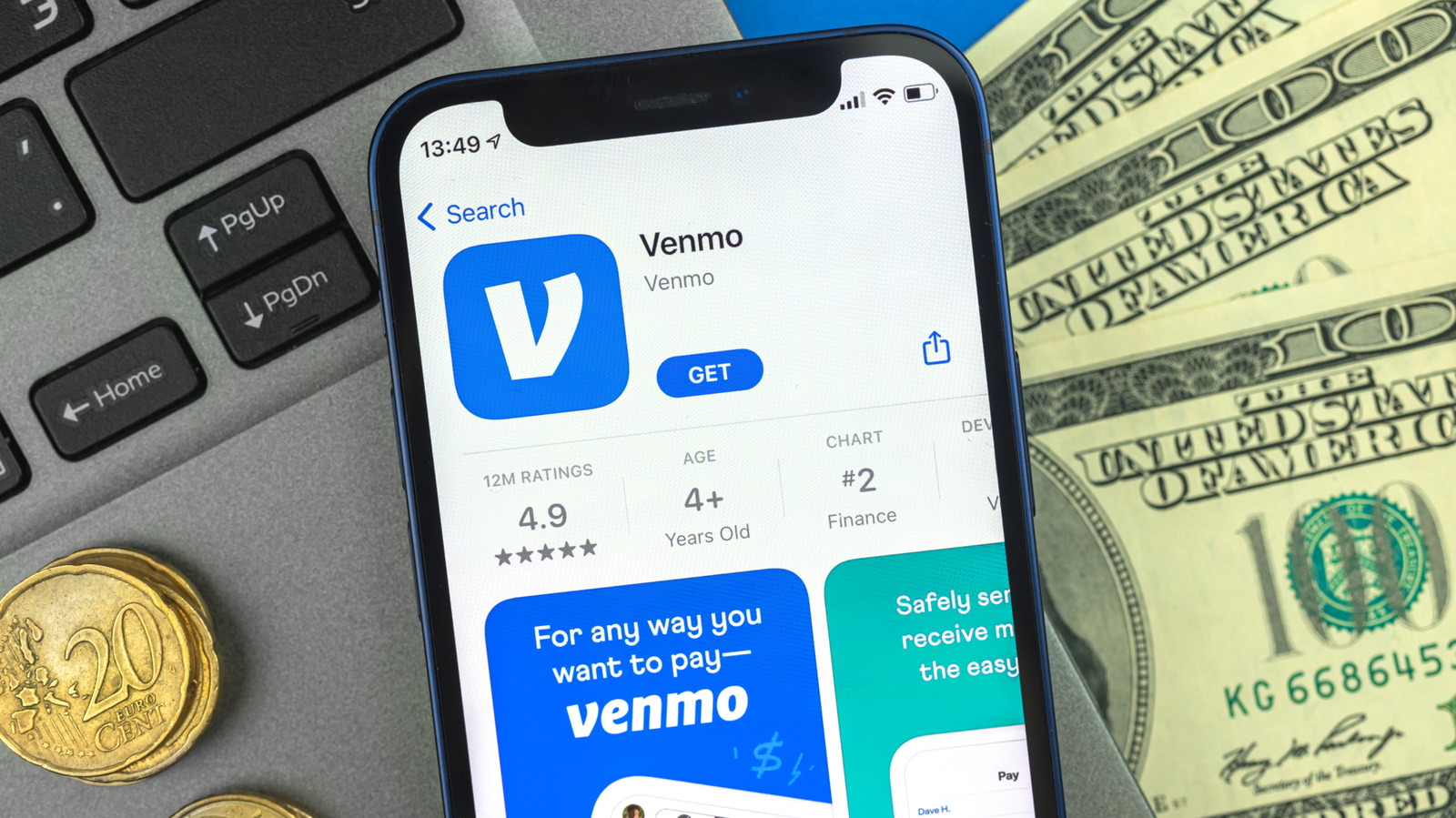
Google has officially added Venmo as a payment method for the Google Play Store, allowing users to purchase apps, subscriptions, and in-app content using their Venmo balances or linked financial accounts. This integration marks a significant expansion of payment flexibility for Android users in the United States. Previously, consumers were largely restricted to credit cards, debit cards, PayPal, and Cash App. Now, the ubiquitous peer-to-peer payment service joins that roster. Users can link their Venmo accounts directly through the payment methods section of the Google Play app. Once connected, the system functions seamlessly across Google’s ecosystem. This means your Venmo balance can also cover purchases on YouTube and other affiliated services. The process is straightforward. You simply navigate to your account settings, select payment methods, and authenticate your Venmo login. After verification, the option appears at checkout alongside traditional banking methods. This move aligns Google with consumer preferences for digital wallets that offer quick, familiar transaction experiences. It removes friction for users who already rely on Venmo for everyday purchases and peer transfers. The change is immediate and available to all eligible users in supported regions. There are no additional fees charged by Google for using this specific payment method. However, standard Venmo transaction fees may apply depending on your account type and funding source. This update reflects a broader trend in the tech industry toward integrating diverse financial tools. Companies are recognizing that providing multiple payment options can reduce cart abandonment and improve user satisfaction. By adding Venmo, Google acknowledges the growing dominance of social payment platforms in the US market. It also signals a willingness to adapt to how younger demographics prefer to handle their money. The integration is not just about convenience. It is about meeting users where they already are. Many people keep small balances on Venmo for quick transactions. Allowing those funds to be used for digital goods expands the utility of the app. It turns a social payment tool into a viable method for recurring subscriptions and one-time app purchases. This shift could influence other tech giants to follow suit. If Apple sees success with diverse payment options, they may also expand their supported wallets. The tech landscape is becoming increasingly competitive in the payments space. Google’s decision to integrate Venmo is a strategic move to retain user loyalty. It simplifies the checkout process and reduces the need for users to switch between different financial apps. For the average consumer, this means less hassle. You do not need to remember card numbers or log into multiple banking portals. One login, one confirmation, and the purchase is complete. This level of ease is crucial in an era where attention spans are short and convenience is king.
This update arrives shortly after Google was forced to open its Play Store to third-party billing systems. The requirement stems from a landmark settlement with Epic Games regarding antitrust allegations. That legal agreement mandated that Google allow developers to use their own payment processors. Consequently, many apps now offer alternative checkout flows. However, these developer-specific systems do not always support every payment method. Venmo, for instance, may not be available in those external storefronts. By integrating Venmo directly into the native Google Play checkout, Google ensures that users have a reliable, platform-wide option. This creates a safety net for consumers. Even if a specific app’s custom store does not accept Venmo, the main store does. This distinction is important for users who prefer the security and convenience of the platform’s native system. It also helps Google maintain a degree of control over the transaction experience. While they must allow outside billing, they can still incentivize users to stick with their own ecosystem. Offering popular payment methods like Venmo is one such incentive. It makes the native store more attractive than fragmented third-party options. The settlement has fundamentally changed the economics of the app store. Developers can now keep more of their revenue by bypassing Google’s standard fees. But for users, the primary benefit is choice. They can now choose how they want to pay, and from which source. This democratization of payment options is a direct result of regulatory pressure. It shows that legal intervention can lead to tangible improvements for consumers. The addition of Venmo is a small but significant piece of this larger puzzle. It demonstrates that Google is adapting to the new reality. They are no longer the sole gatekeeper of payments. They are now a participant in a broader, more competitive marketplace.
Looking ahead, this integration could set a precedent for future payment partnerships. As digital wallets continue to evolve, users expect seamless interoperability between their financial tools and their digital services. Google’s move suggests that they are prepared to integrate more emerging payment solutions. It also highlights the importance of user experience in the tech industry. Companies that make transactions easier are likely to see higher engagement and retention. For Venmo, this partnership expands their reach into the lucrative app economy. It allows them to capture a share of the spending that was previously reserved for credit cards and PayPal. This is a win for both parties. Google gains a popular payment method that appeals to a broad demographic. Venmo gains access to a massive user base and a high-volume transaction environment. The success of this integration will likely be measured by adoption rates. If users embrace Venmo as a primary payment method for apps, other platforms may feel compelled to follow. This could lead to a standardization of digital wallet options across the industry. Ultimately, the goal is to make digital commerce as easy as physical commerce. You should be able to pay with whatever tool is most convenient. Google is taking steps in that direction. By adding Venmo, they are removing barriers and simplifying the path to purchase. This is a clear signal that the future of payments is about flexibility and choice. Users will benefit from having more options and less friction. The tech industry is slowly moving toward a more open and user-centric model. This change is a small but meaningful step in that direction. It reflects a broader shift in how we think about money and technology. We want our tools to work together,
Read Full Story at Engadget →