Google announces Pixel 11, Watch 5, and Tag for 2026 lineup
Google has announced its 2026 hardware lineup featuring the Pixel 11, Pixel Watch 5, and Pixel Tag, emphasizing AI integration and user-centric features. This strategy aims to differentiate Google in…
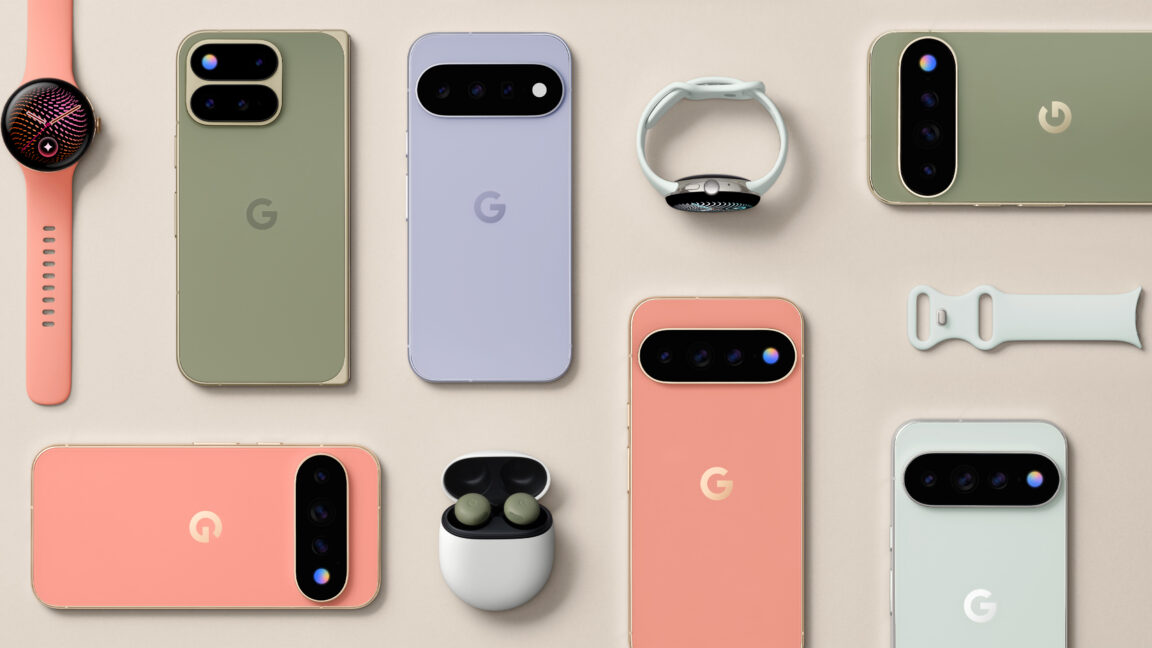
Google has unveiled its 2026 hardware lineup, which includes the Pixel 11 smartphone, the Pixel Watch 5, and a new device called the Pixel Tag. The announcement came during the company's annual hardware event held in Mountain View, California, showcasing a shift in focus towards artificial intelligence and curated user experiences rather than just hardware specifications.
This shift reflects a broader trend in the tech industry where companies are prioritizing software capabilities and user-centric features over traditional hardware upgrades. As competition intensifies, particularly from Apple and Samsung, Google aims to differentiate its products by enhancing the integration of AI into everyday tasks. With the rise of smart home devices and the increasing demand for seamless connectivity, Google’s new lineup is designed to offer users more intuitive interactions and smarter solutions.
The Pixel 11 features notable improvements in camera technology, enhanced by AI-driven photography options that promise better low-light performance and real-time editing capabilities. The Pixel Watch 5 will include advanced health tracking features, including sleep monitoring and stress management tools powered by machine learning algorithms. The Pixel Tag, a new entrant into the smart tracking market, aims to compete with Apple's AirTag, offering users a way to keep track of personal items using Google’s extensive location services.
Looking ahead, Google’s strategy suggests that future updates will increasingly rely on software advancements rather than hardware. This approach may lead to more frequent updates for existing devices, extending their lifespan and usability. By investing heavily in AI and tailored experiences, Google hopes to create a more cohesive ecosystem that encourages user loyalty and expands its market share in a competitive landscape.
Read Full Story at Ars Technica →