Google's pitch for Googlebooks: A laptop that works better with your Android phone
The first Googlebooks are up for pre-order today and they arrive on October 4. It's been almost five months since Google formally announced Googlebooks , the Android-based evolution of ChromeOS and …
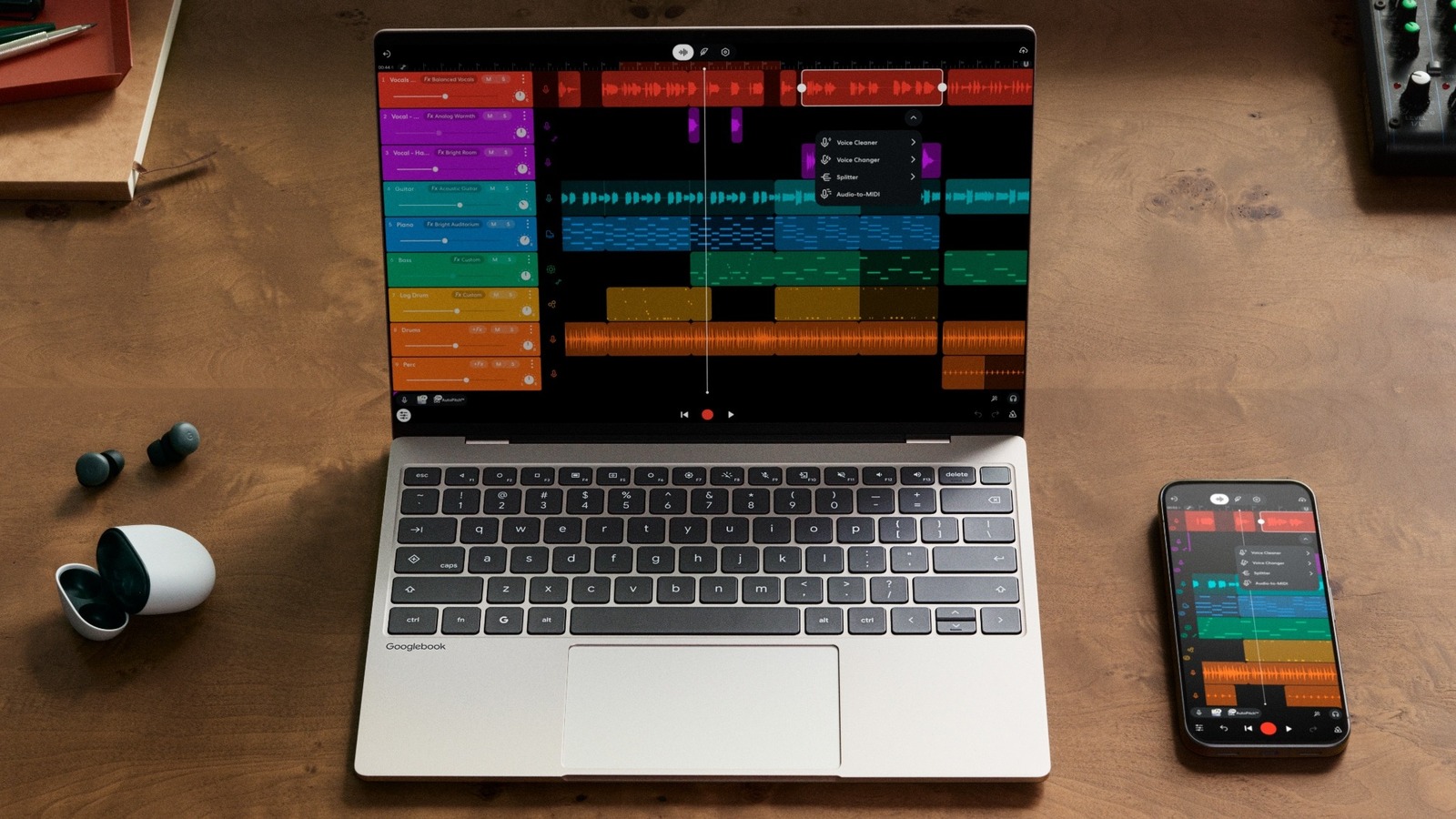
The first Googlebooks are up for pre-order today and they arrive on October 4.
It's been almost five months since Google formally announced Googlebooks , the Android-based evolution of ChromeOS and Chromebooks. After a lot of waiting and hardware leaks, we finally know much more about the OS and Google's plans for both the hardware and software. At a press event in New York City last week, Google and its previously announced hardware partners showed off five new laptops , but more importantly, the company more clearly laid out its vision for Googlebooks and what'll differentiate them from the Chromebooks we've known, tolerated and occasionally loved over the years.
I think the company's main pitch for Googlebooks is making a laptop that plays as well with Android phones as a Mac does with an iPhone. Of course, Google didn't mention Apple by name, but the president of Android, Sameer Samat, basically admitted it at the top of his presentation. "Our first step is to focus on our Android community," he said, "because today, there isn't a laptop platform built to work seamlessly with your Android phone."
He also alluded to laptops needing to be redesigned to some extent to work in the mobile age. "Laptops have been with us for 30-plus years, and there's a lot that the laptop gets right," he said. "But much of it was designed decades ago before mobile devices even existed. So we believe there's an opportunity to rethink the experience for how people actually get things done today."
And, of course, AI is part of the equation. Laptop-specific Gemini features have been part of ChromeOS for a few years now, like the "quick insert" menu and dedicated hardware key announced in late 2024 . An evolved version of that is here, but the main feature of note is the Magic Pointer, an AI-powered cursor Google teased back in the spring. As with everything Googlebook, we got a lot more detail on how it'll work — but whether these are the kinds of things that'll drive laptop buyers to consider Googlebooks over a Mac or Windows PC remains the big question.
If you're familiar with ChromeOS and looked at the Googlebook interface, it wouldn't be immediately obvious that the platforms are completely different. You'll find the same app dock at the bottom of the screen; the Chrome browser should work just as well here as elsewhere, and you can install Android apps from the Play Store to augment your computer's capabilities. The difference is what's running underneath. Android powers the system, though Google points out that, for developers, an isolated Linux environment with a full Terminal is part of the OS as well. The platform still includes the same Titan hardware security chip and built-in malware protection you'll find on Chromebooks.
You may be asking yourself why it matters that Google's now using Android as the basis for Googlebooks. It all goes back to the proposition Samat put forth: a laptop closely connected to your Android phone. While Chrome OS has a number of features for connecting your phone and laptop, Googlebooks take it a good bit further (and make these connections faster). Google and its developer community also share a codebase, which should make developing for both Googlebooks and Android phones simpler.
Google showed off plenty of examples of this tighter integration, starting with the process of logging into a new Googlebook. You've always used a Google account to log in to a Chromebook, but now logging in can pull in data like saved passwords, Wi-Fi networks, message history and more.
Read Full Story at Engadget →