GoPro Mission 1 Pro ILS review: Interchangeable lenses make this a GoPro like no other
A leap forward in image quality, but effortless sharp video is (literally) out of reach. We may receive a commission on purchases made from links. After over a decade of focus on its Hero line of c…
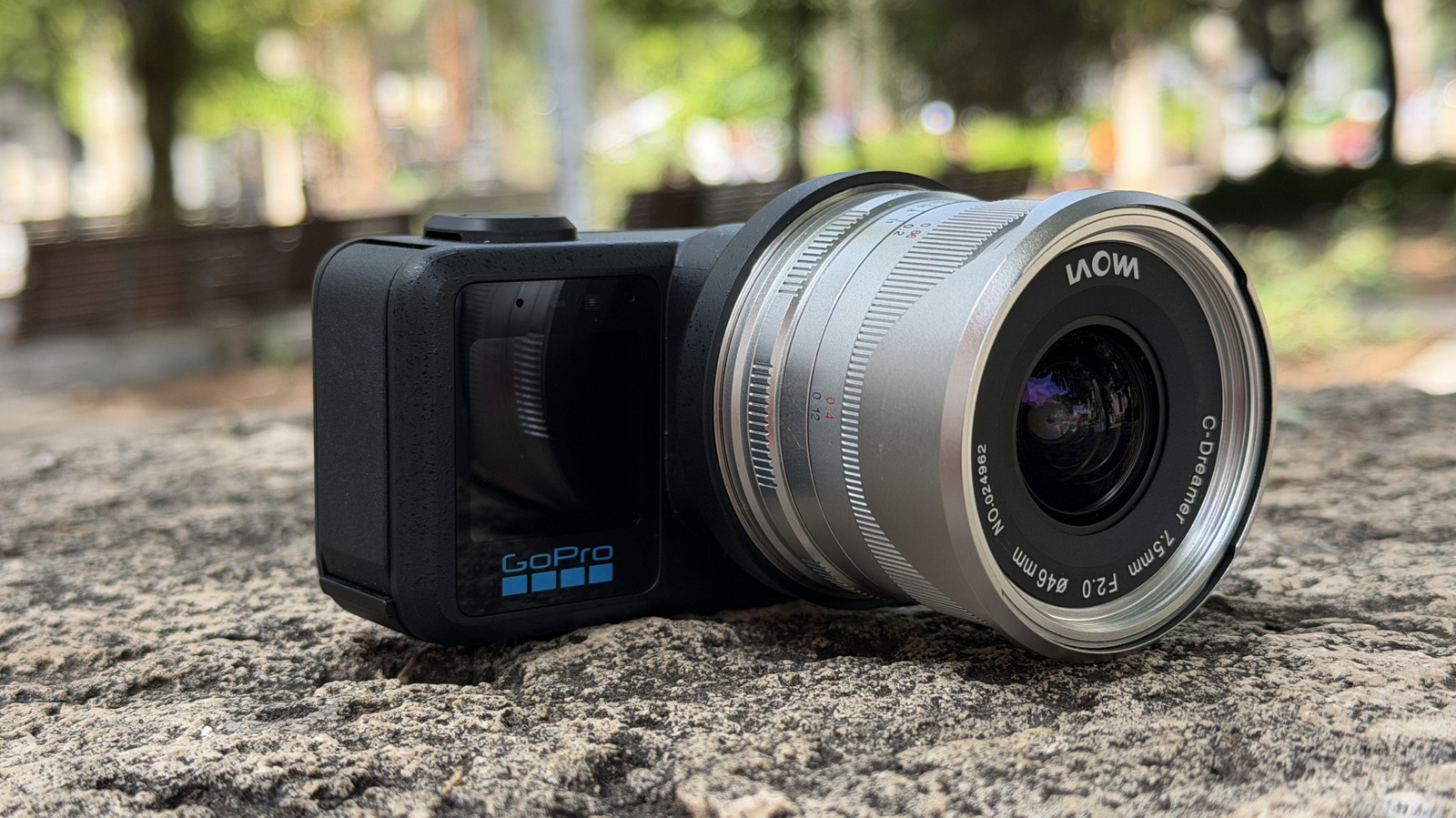
A leap forward in image quality, but effortless sharp video is (literally) out of reach.
After over a decade of focus on its Hero line of cameras, GoPro is trying something different. The Mission 1 Pro ILS ($699) is its first camera with interchangeable lenses. Specifically, Micro Four Thirds (MFT) lenses, of which there are many in a wide range of prices. The initial response to the brand trying something new has been positive. However, the ILS doesn't have autofocus, it isn't waterproof and it has a large 2.7x crop factor, leading skeptics to say the ILS serves neither GoPro's core audience nor filmmakers. But all of that discussion was before I was able to test it. Now that I've spent some time with it, the question is: Who was right?
Almost everything about the Mission 1 Pro ILS is the same as the Mission 1 Pro we already know. That means 8K/60 video, a 1-inch sensor and full open-gate (full sensor) recording for 4K output in various aspect ratios. And, of course, that insane 10-second, 960 fps burst mode. There's no change to the 2.59-inch OLED rear display and it comes with the same 2,150 mAh Enduro 2 battery.
The draw of the ILS is the big hole on the front where the lens usually is. That's where you attach one of over 300 compatible MFT lenses. This isn't just a cool trick, it fundamentally changes how you use the camera. Now, you're the one responsible for making sure your subject is in focus, and in most cases, you'll be in charge of the aperture and exposure settings (at least if you want to get the most out of it). These are things that most GoPro users rarely have to think about and it's quite a shift in mindset. But as the saying goes, "with great power comes great responsibility."
The dimensions of the ILS's body are the same as the regular Mission 1 Pro, but the lens mount adds another inch or so of depth and about half an inch of height. This is all somewhat academic though, as whatever lens you're attaching to it is going to change the overall camera size considerably. Oh, and it alters the weight, of course. I tested the GoPro with two different lenses, a Laowa 7.5mm and a 7artisans 25mm . Both of these are compact in the grand scheme of things, but it's fair to say that the ILS is still highly portable ( until it isn't ).
There are some important things to note. The ILS might be able to mount any MFT lens, but as mentioned earlier, autofocus is off the table. Also, if the lens uses focus-by-wire it likely won't work at all, as there are no connections for electronics. I have a Lumix 12-35mm that mounted fine, but the focus dial was rendered useless. Manual lenses are a must and with that a whole new way of working.
During setup, the camera asks you what type and focal length lens you're attaching to it. Every time you add a new lens you also need to let the camera know via a dedicated menu option. I forgot to do this a few times and it seems to interfere with things like Hypersmooth, so it's one more thing to add to your checklist.
If you're new to (or have long-since left behind) manual lenses, GoPro has a few tools to help you find focus, which can be tricky on the ILS' small screen. Focus Peaking adds a colored outline on screen around anything with sharp edges. You can also punch in to a 4x or 8x zoom for a visual check. Focus Peaking works pretty well, but isn't foolproof. The 8x setting is helpful, but the punched-in image itself isn't pin-sharp, thanks to digital zoom, so it's more of a useful secondary check.
Read Full Story at Engadget →