Grave in Norfolk of 119 sailors may be exhumed due to coastal erosion threat
Bodies were buried in Happisburgh after HMS Invincible sank in 1801 on way to join Nelson at Battle of Copenhagen A mass grave for 119 sailors who drowned more than 200 years ago could be exhumed to avoid their remains being exposed by coastal erosion. HMS Invincible sank off t
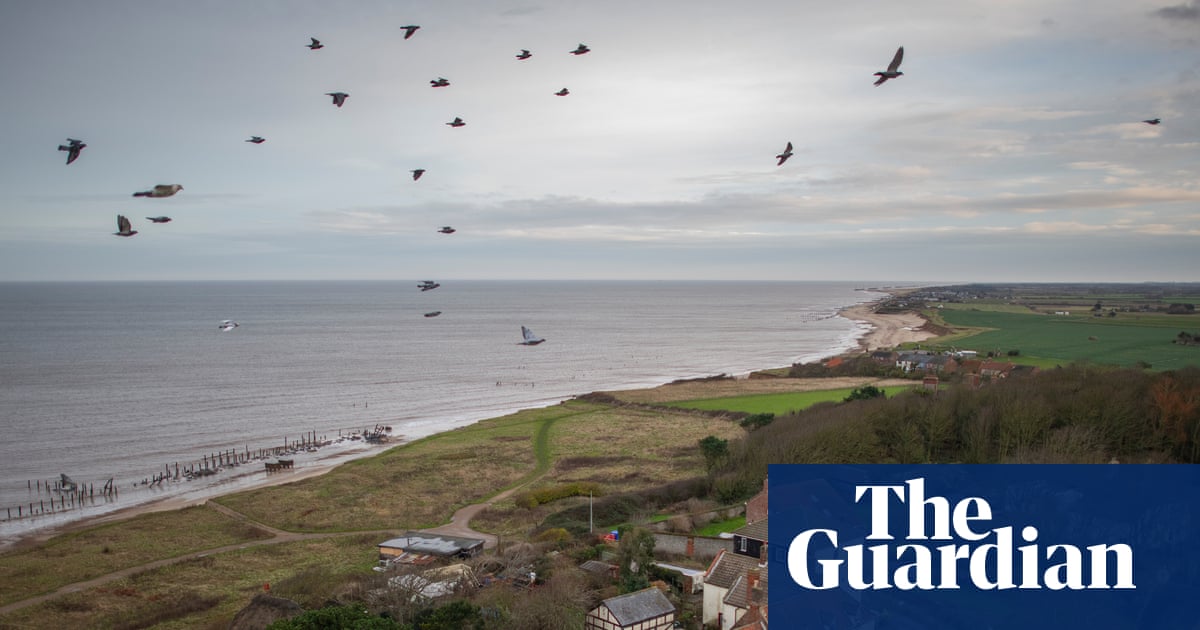
Bodies were buried in Happisburgh after HMS Invincible sank in 1801 on way to join Nelson at Battle of Copenhagen
A mass grave for 119 sailors who drowned more than 200 years ago could be exhumed to avoid their remains being exposed by coastal erosion.
HMS Invincible sank off the Norfolk coast in 1801 on its way to join Horatio Nelson’s fleet at the Battle of Copenhagen . The recovered bodies of those who drowned were buried at St Mary’s church in Happisburgh, the nearest village to the shipwreck.
Their remains are again threatened by the sea, as the graveyard is expected to be destroyed by coastal erosion in the coming decades.
North Norfolk district council (NNDC) has agreed to conduct a ground-penetrating radar survey of the graveyard later this summer to pinpoint the exact location of the mass grave for a possible exhumation.
The GPR survey follows a request from The 1805 Club , a charity that preserves naval heritage from the era. It is seeking permission to exhume the remains of the sailors, and then plans to rebury them at sea with the help of the Royal Navy.
The identities of most of those who drowned are unknown, but they include the ship’s captain, John Rennie. According to a contemporary newspaper report, he almost made it to a rescue boat, but then “exhausted with fatigue he calmly resigned himself to his fate. Lifting up his hands, as if to implore the blessing of heaven … he went directly down without another struggle.”
The disaster was blamed on the ship’s pilot who ignored warnings about the presence of shallow sand ridges off the Norfolk coast. Out of a crew of 590 men only 190 survived. Many of those drowned were washed up on the beach at Happisburgh and taken in cart loads to the church for burial .