Greek F-16 crash-lands at Zakynthos airport
An F-16 fighter jet crash-landed at Zakynthos airport on Thursday due to a technical issue, causing the airport to close and delaying flights for passengers. The incident raises concerns about flight
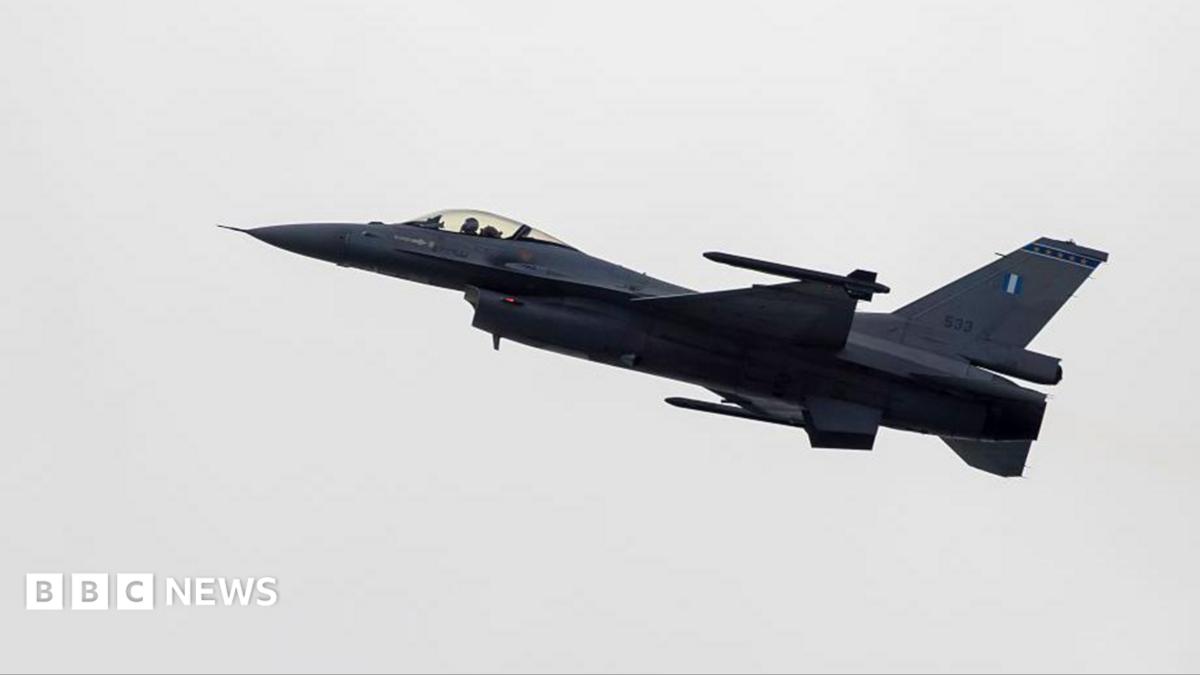
A Hellenic Air Force F-16 fighter jet crash-landed at Zakynthos airport on Thursday, forcing one of Greece’s busiest summer holiday airports to close
Read Full Story at BBC World News →Why This Matters
An F-16 crash-landing at a civilian airport underscores the heightened risks when military aircraft operate in proximity to high-traffic hubs, exposing vulnerabilities in Greece’s defense infrastructure amid strained regional stability. The incident also highlights how even minor technical failures in aging fighter jets—part of a fleet already under scrutiny for maintenance delays—can cascade into broader disruptions, affecting both military readiness and public trust in air travel.
Background Context
Zakynthos International Airport, a popular tourist gateway to Greece’s Ionian islands, handles over 1.2 million passengers annually, many during peak summer months when military exercises often coincide with civilian flight schedules. Greece’s F-16 fleet, while modernized in recent years, still includes older models that have faced repeated delays in receiving critical upgrades, raising questions about the sustainability of its aging airframes in an era of rising regional tensions.
What Happens Next
Investigators will likely focus on whether the crash was an isolated mechanical failure or part of a systemic issue in Greece’s fighter jet maintenance protocols, potentially leading to temporary groundings or stricter operational restrictions. For Zakynthos, reopening the airport swiftly will be critical to minimizing economic losses, while airlines may push for clearer contingency plans for future military-related disruptions.
Bigger Picture
This incident fits a pattern of growing concern over Europe’s aging military hardware, as defense budgets tighten while geopolitical threats intensify. It also raises broader questions about the balance between military operations and civilian infrastructure, especially in countries like Greece that host NATO assets while relying heavily on tourism—a sector increasingly sensitive to safety perceptions.






