Record autumn heat threatens health and agriculture in Europe, U.S.
Extreme heat is increasingly affecting autumn and early spring, with record temperatures in Europe and the U.S., as noted by Carbon Brief. This trend poses significant health risks and threatens agri…
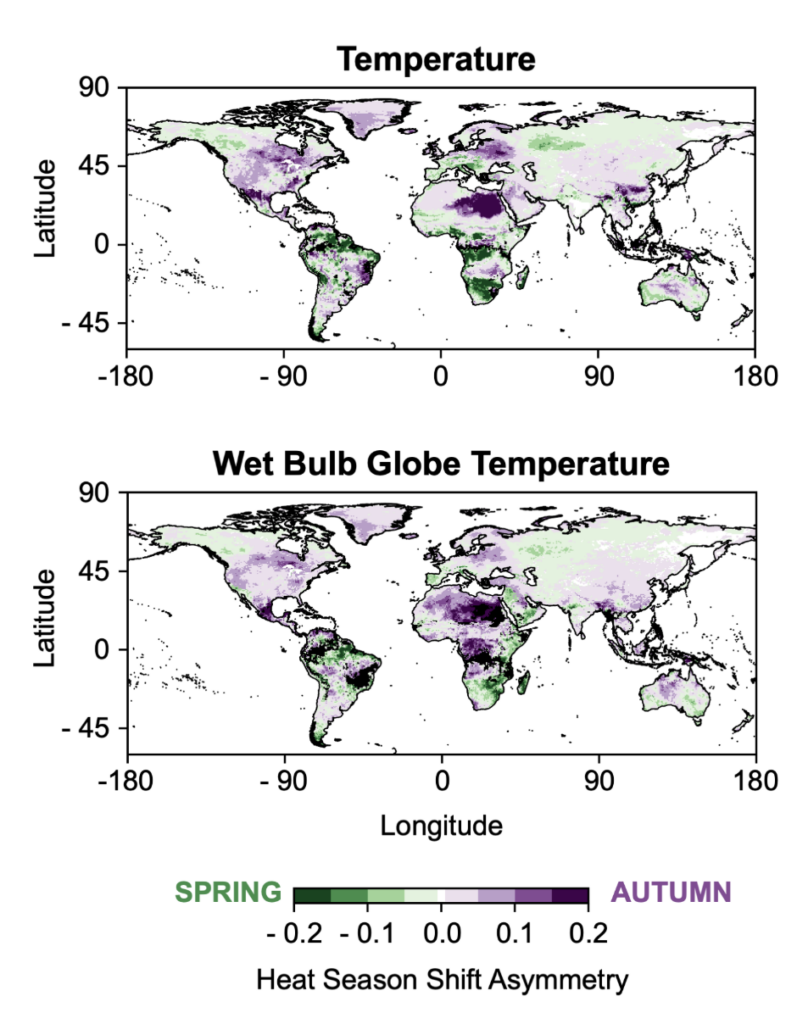
Extreme heat is spilling from summer into autumn and even early spring, with record‑high temperatures recorded in September across much of Europe and in March across parts of the United States, according to a new analysis by Carbon Brief. The study shows that heatwaves are no longer confined to the traditional summer months. In some regions, daily highs have stayed above 30 °C for more than three months straight, a pattern scientists say is unprecedented in the instrumental record.
The shift matters because extreme heat is already the deadliest climate‑related hazard, responsible for more deaths worldwide than floods, hurricanes or droughts combined. A warming planet is lengthening the period when temperatures exceed human tolerance. As the globe’s average temperature climbs, the jet stream weakens, allowing high‑pressure systems that trap heat to linger longer. This means the “summer” season is expanding, pushing heat into months that traditionally bring relief.
In the past year, Europe logged 12 new heat records, most of them in October and November. In the United States, the March heatwave in the Southwest pushed temperatures 15 °F above the historical norm, triggering power outages and worsening air‑quality alerts. Health officials reported a 20 % rise in heat‑related emergency visits during these off‑season spikes. Agricultural experts warn that crops such as wheat and corn, which rely on cooler autumn conditions, are now at risk of premature stress, potentially denting yields. The World Meteorological Organization has called the trend “a clear signal that climate change is reshaping seasonal cycles.”
Scientists say the pattern will likely continue unless greenhouse‑gas emissions are sharply reduced. Climate models project that by 2050, many mid‑latitude regions could experience heat‑danger days for half the year. Policymakers are urged to update building codes, expand early‑warning systems and invest in cooling infrastructure. Public health agencies are preparing to extend heat‑wave preparedness plans into the traditional shoulder seasons. The creeping heat underscores the urgency of both mitigation and adaptation as societies confront a new, hotter normal.
Read Full Story at Carbon Brief →