Guinea-Bissau: Opposition leader house arrest raises stakes
Nearly seven months after last year's military coup in Guinea-Bissau , the continued house arrest of opposition figure Domingos Simoes Pereira, leader of the African Party for the Independence of Guin
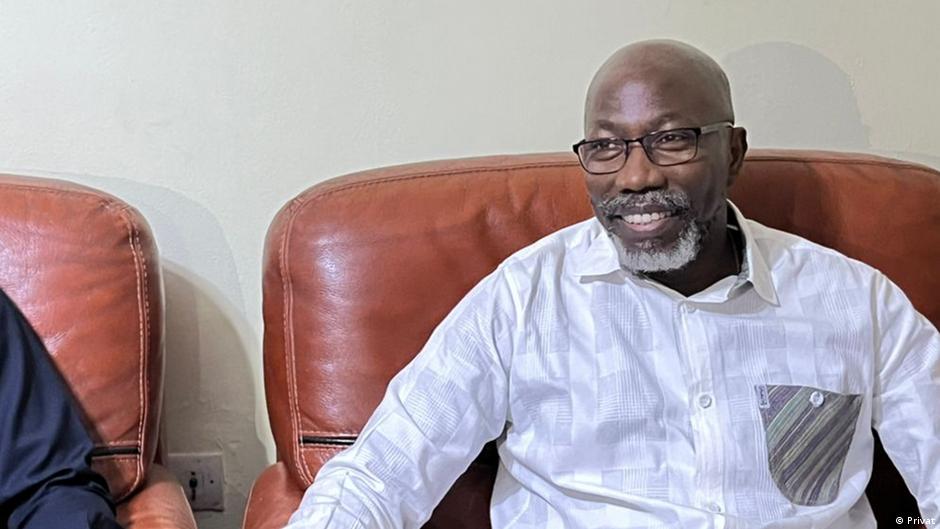
Nearly seven months after last year's military coup in Guinea-Bissau , the continued house arrest of opposition figure Domingos Simoes Pereira, leader
Read Full Story at DW World →The continued house arrest of Domingos Simões Pereira, leader of Guinea-Bissau’s dominant opposition party, underscores the fragile and contested nature of the country’s post-coup transition. Nearly seven months after a military takeover ousted President Umaro Sissoco Embaló, Pereira’s detention—ostensibly for his alleged role in a failed coup plot—signals a hardening stance by the ruling junta. Guinea-Bissau, a small West African nation long plagued by political instability, now faces renewed scrutiny over whether its military leadership is steering the country toward democratic restoration or deeper authoritarianism. The case is more than a personal grievance; it reflects a broader struggle to define civilian-military relations in a region where coups have surged since 2020. What makes this crisis particularly volatile is Guinea-Bissau’s recent history. Unlike neighboring Mali or Burkina Faso, where juntas emerged after mass protests, Guinea-Bissau’s 2023 coup followed disputed elections that saw Embaló declared the victor amid opposition claims of fraud. The military’s intervention was initially framed as a corrective measure, but the persistence of Pereira’s detention—without a formal trial—suggests the junta is consolidating power rather than facilitating a return to constitutional rule. International observers, including ECOWAS, have condemned the move, yet their leverage remains limited. The African Union and regional blocs face a dilemma: isolate Guinea-Bissau further, risking deeper instability, or engage the junta in a way that may legitimize its actions without guarantees of reform. Looking ahead, the junta’s next steps could either de-escalate tensions or push Guinea-Bissau toward prolonged crisis. If Pereira remains detained indefinitely, opposition groups may escalate protests or seek external alliances, potentially drawing in Senegal or other neighbors wary of spillover instability. Alternatively, the junta could leverage Pereira’s detention as a bargaining chip in negotiations, trading his release for concessions on electoral reforms or power-sharing. The broader trend here is familiar across West Africa: military rulers exploiting legal pretexts to sideline opponents while paying lip service to democratic transitions. How Guinea-Bissau navigates this moment may set a precedent for whether its neighbors can reverse the tide of coups—or whether the region’s democratic backsliding becomes the new normal.





