Saudi Arabia and UAE boost oil exports amid Strait of Hormuz threats
Gulf states are seeking alternatives to the Strait of Hormuz for oil exports due to Iranian threats to close the waterway. Saudi Arabia has increased shipments via the East-West Pipeline, compensatin…
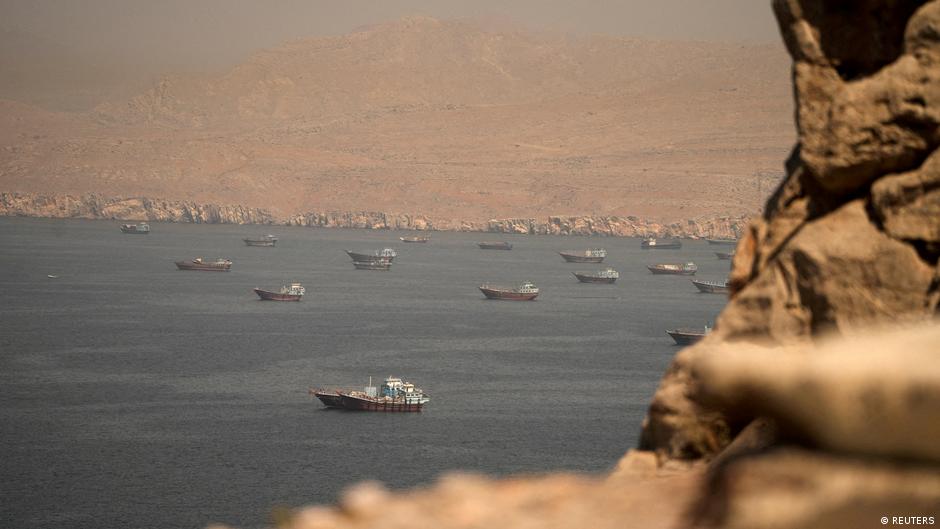
Months of uncertainty surrounding the Strait of Hormuz have prompted Gulf states to seek alternative routes for oil exports. Iranian officials have threatened to keep the crucial waterway closed unless the United States adheres to a framework agreement from June and compensates Tehran for alleged violations. In response, U.S. President Donald Trump recently stated that the U.S. Navy has already secured control of the strait, claiming, "We've mine swept the entire strait."
The Strait of Hormuz is a vital passage for global oil transport, with about 20% of the world’s crude exports flowing through it before the onset of the conflict with Iran. In light of ongoing disruptions, Saudi Arabia has successfully redirected significant oil shipments through the East-West Pipeline, which connects its eastern oil fields to the Red Sea port of Yanbu. This strategic move has allowed Saudi Arabia to maintain its exports while bypassing the threatened strait entirely.
Data from the International Monetary Fund’s Portwatch platform reveals the scale of this shift. Between April and May, Saudi cargo shipments from the Gulf coast plummeted from 47.5 million tons to just 6.3 million tons. Meanwhile, exports through the Red Sea surged from 29.6 million tons to 54.8 million tons, effectively compensating for approximately 61% of the lost volume from the Persian Gulf. This transition underscores the importance of the East-West Pipeline not only as an alternative but as a critical lifeline for Saudi oil during the ongoing crisis.
While Saudi Arabia is enhancing its logistics, the United Arab Emirates is also pushing for increased capacity along its Abu Dhabi Crude Oil Pipeline, which runs outside Hormuz. However, the UAE's ports, like Fujairah, remain vulnerable to attacks from Iranian-backed forces. Recent hostilities have already seen the Emirati port of Fujairah targeted, raising concerns about the security of these alternative routes. As Gulf states adapt to the changing geopolitical landscape, the quest for secure and reliable oil transport is only expected to intensify.
Read Full Story at DW World →



