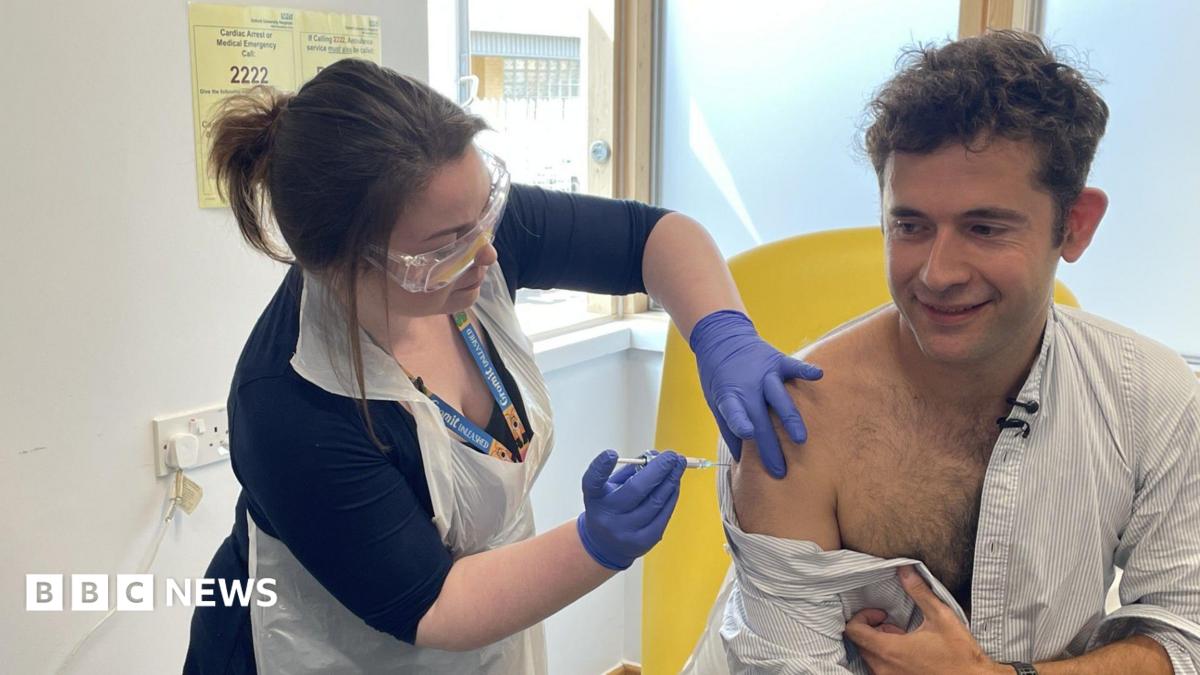
UK scientists develop fridge-free vaccine to reduce 50% waste
UK scientists have developed a new dry powder vaccine that does not require refrigeration, potentially reducing the 50% vaccine waste caused by cold chain failures. This innovation could improve vacc…
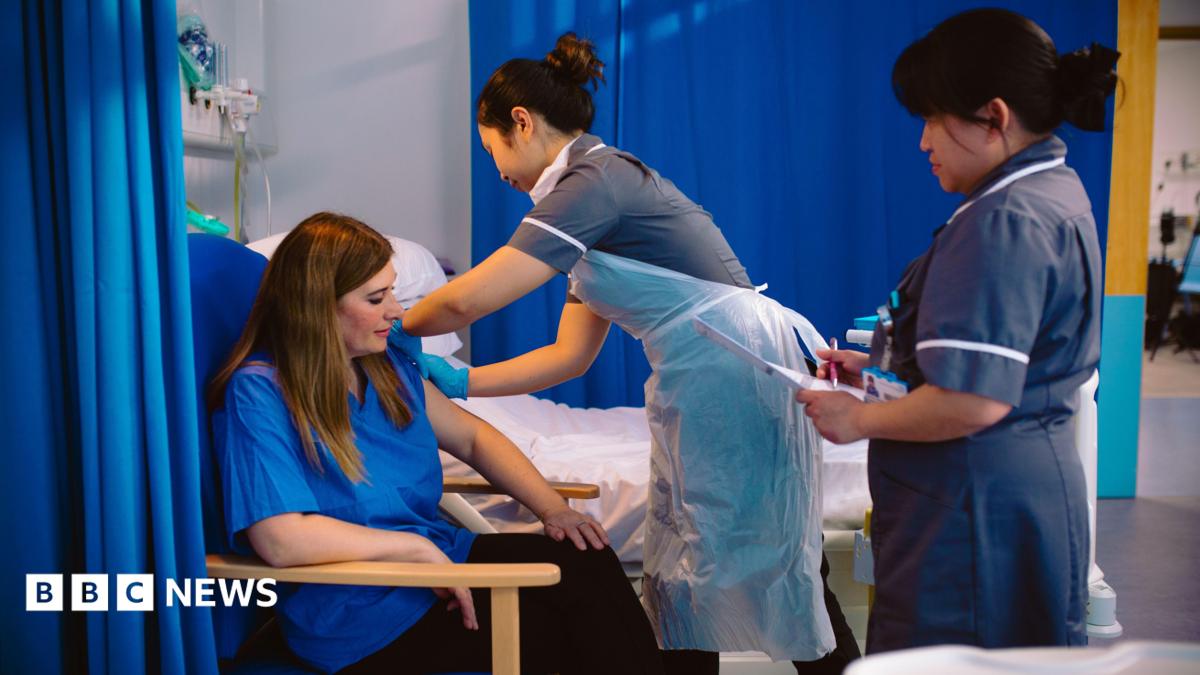
UK scientists have successfully trialled a new type of vaccine that does not require refrigeration, potentially addressing the significant issue of vaccine waste. The trial involved 60 volunteers and was conducted by Stablepharma, which converted a liquid tetanus-diphtheria vaccine into a dry powder that can be stored at room temperature for up to a year. This innovation could revolutionize vaccine distribution, especially in regions where maintaining a cold chain is challenging.
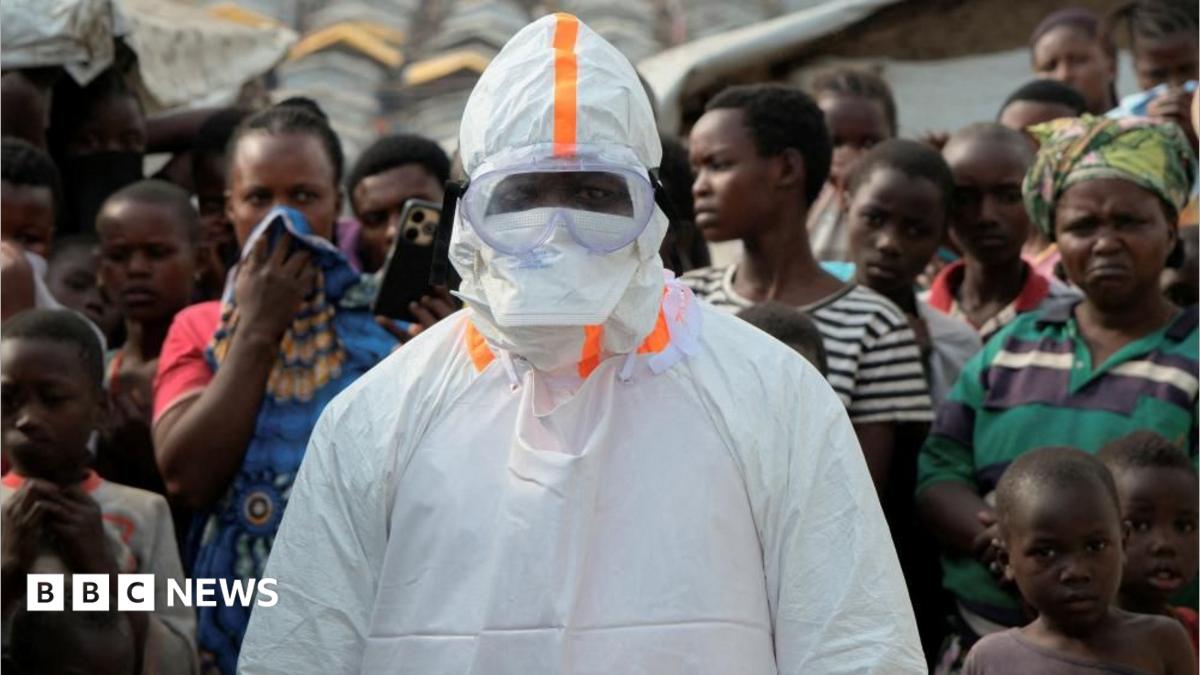
Currently, about half of all vaccines are wasted each year due to temperature fluctuations during storage and transport, a problem that is particularly acute in poorer and remote areas. Vaccines typically need to be kept at specific temperatures from the point of manufacture to the moment they are administered, a process known as the "cold chain." Failures in this system can be caused by a variety of factors, including damage during transport, expiration of unused doses, and reliance on consistent refrigeration, which is often lacking in war zones or less accessible regions.
The new vaccine technology uses trehalose, a sugar derived from resurrection plants, to stabilize the vaccine's components during the drying process. Professor Saul Faust, director of the NIHR Clinical Research Facility in Southampton, noted that the trial results showed the fridge-free vaccine elicited immune responses comparable to the conventional version and was safe for participants. He emphasized that this advancement could significantly reduce vaccine waste and increase accessibility, particularly in underserved populations.
A larger trial involving 160 participants is set to begin in the coming months, which will be the final stage of research before broader implementation. The World Health Organization has set goals for vaccines to remain effective at higher temperatures and humidity levels, and initial findings suggest the new formulation can withstand temperature swings between -20°C and +40°C. This resilience could allow for easier transport, making vaccines more accessible to those in need and potentially saving millions of doses from being discarded.
Read Full Story at BBC Health →