Scientists debate Viking 1's findings on potential Martian life
NASA's Viking 1 lander did not find definitive evidence of life on Mars in 1976, but some scientists argue that subtle signs may have been overlooked. This ongoing debate highlights the need to recons
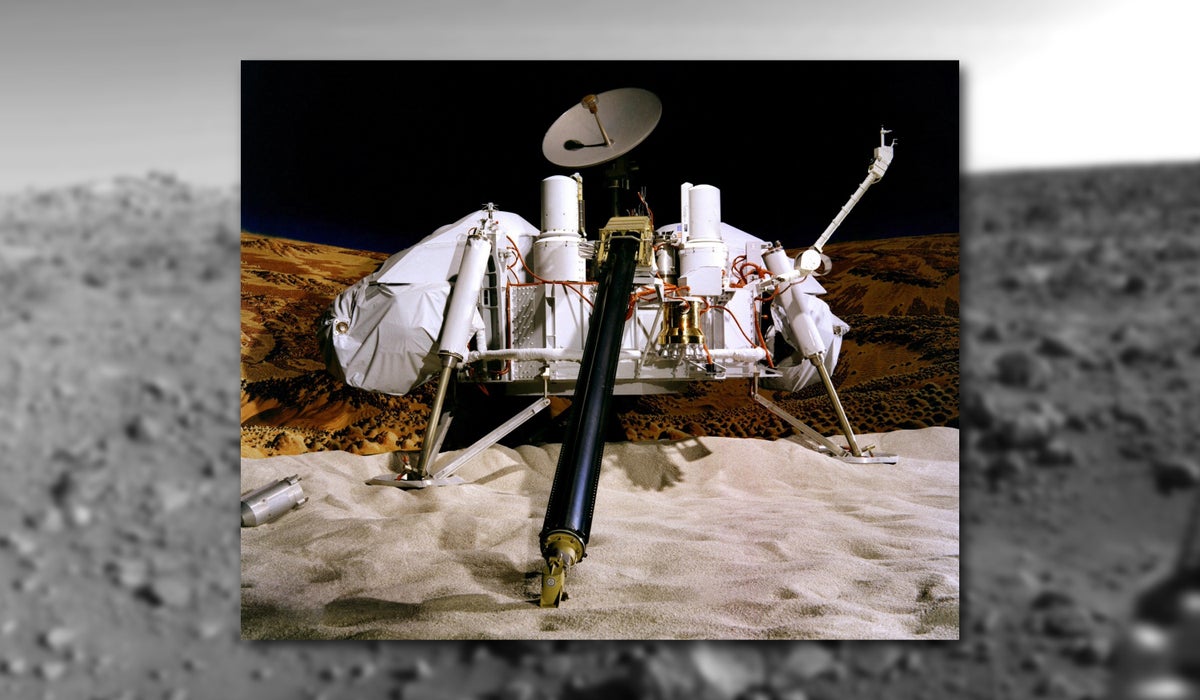
NASA's Viking 1 lander, which touched down on Mars on July 20, 1976, failed to find definitive evidence of life, but some scientists argue that we may
Read Full Story at Scientific American →Why This Matters
The ongoing debate surrounding NASA's Viking 1 lander findings underscores the profound implications of astrobiological research. A potential discovery of life on Mars could revolutionize our understanding of life beyond Earth and challenge existing paradigms in biology and planetary science.
Background Context
NASA's Viking missions in the 1970s were among the first to explore Mars systematically, yet the lack of definitive evidence for life led to a prevailing consensus that the planet was barren. Over the years, however, advancements in technology and a growing body of research have led scientists to revisit and reinterpret the data collected during these early missions.
What Happens Next
As interest in Mars exploration intensifies, particularly with upcoming missions and rover explorations, there is a likelihood of new analyses of Viking data. Future studies may potentially yield fresh insights that could either bolster or refute the claims of past findings, keeping the debate alive in scientific communities and the public.
Bigger Picture
This discussion reflects a broader trend in science where historical data is continuously re-evaluated in light of new technologies and methodologies. Furthermore, it highlights the increasing urgency of exploring extraterrestrial environments as humanity grapples with existential questions about life in the universe and the future of our own planet.