Hawaii's famous “happy-face” spider has a surprising relative
A newly discovered Happy-Face spider in the Himalayas closely resembles Hawaii's iconic species but evolved independently, according to DNA evidence. Its mysterious smile-like markings, many color for
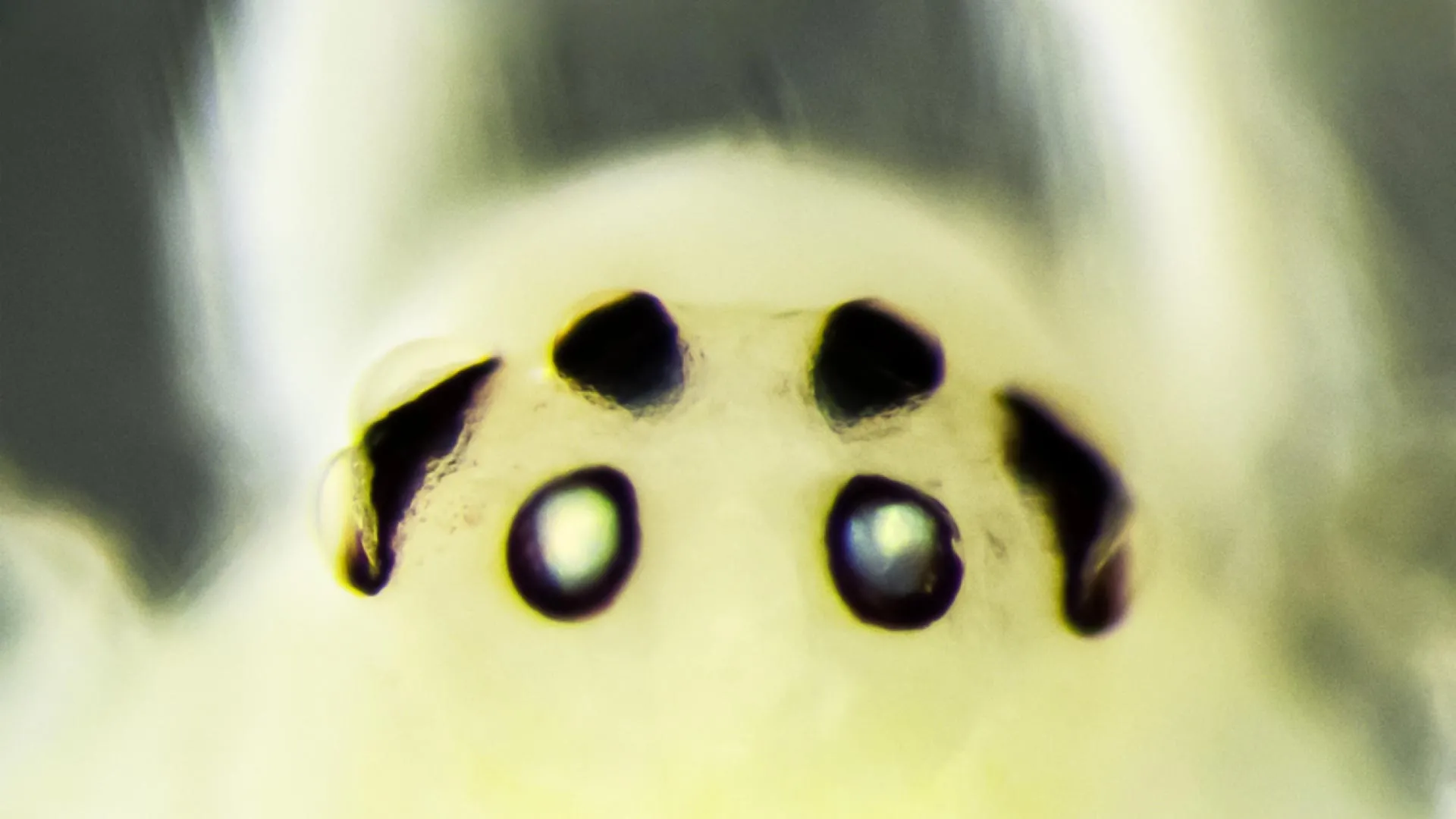
A newly discovered Happy-Face spider in the Himalayas closely resembles Hawaii's iconic species but evolved independently, according to DNA evidence.
Read Full Story at ScienceDaily →Why This Matters
The discovery underscores the remarkable power of convergent evolution, where unrelated species develop strikingly similar traits to survive in similar ecological niches. It challenges assumptions about geographic isolation driving biodiversity, suggesting that nature often finds the same solutions to biological challenges regardless of distance.
Background Context
Hawaii’s ‘happy-face’ spider (*Theridion grallator*) has long been a symbol of the islands’ unique biodiversity, evolving its distinctive markings in the absence of predators that might otherwise target its visually striking patterns. Meanwhile, the Himalayas’ high-altitude ecosystems have independently fostered species with camouflage and warning signals tailored to their rugged terrain.
What Happens Next
Researchers will likely expand their search for convergent evolution in other isolated ecosystems, particularly in mountainous regions where environmental pressures mirror those of Hawaii. The finding may also prompt reexamination of how species adapt to climate change, as shifting habitats could accelerate the emergence of similar traits in unrelated populations.
Bigger Picture
This discovery fits a growing body of evidence that biological innovation often follows predictable paths, even across vast distances. It also highlights how human fascination with charismatic species—like Hawaii’s spiders—can drive scientific inquiry that reveals deeper truths about nature’s resilience and adaptability.