Doctors warn mild heart issues may raise dementia risk
Even mild heart problems can cause tiny brain injuries that increase dementia risk. Doctors may now screen heart function more closely to detect potential memory loss early.
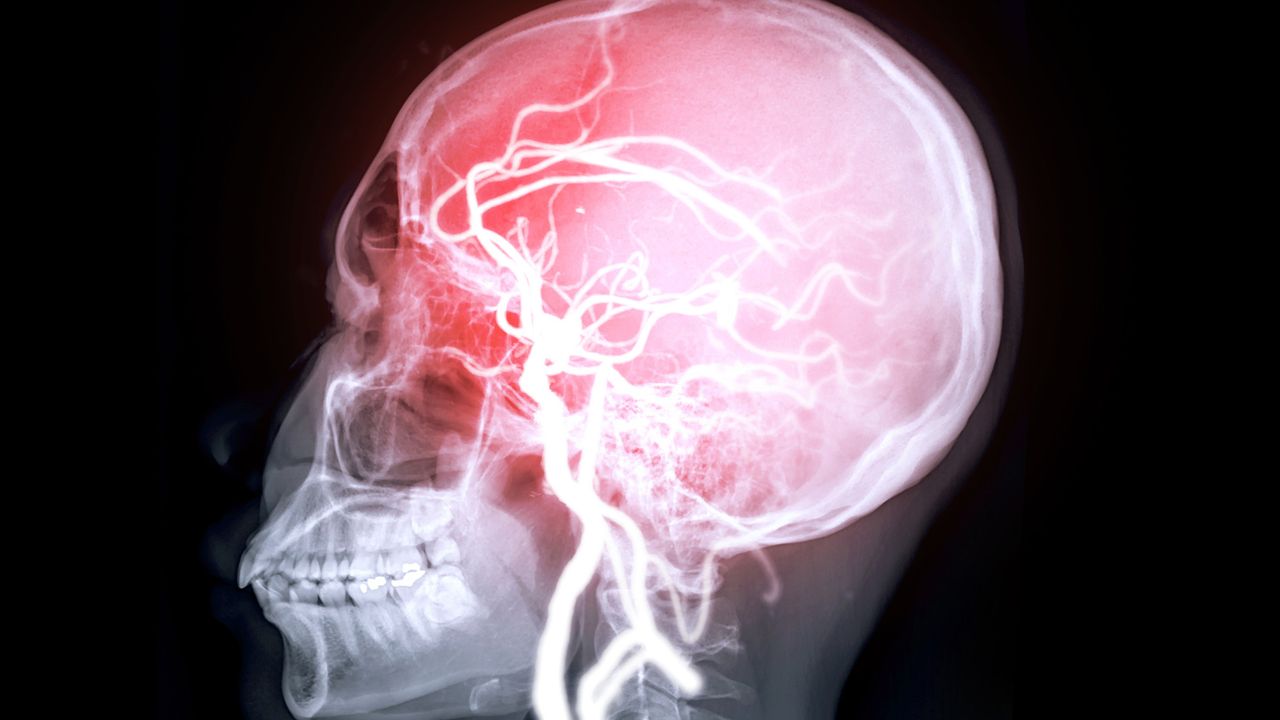
**Researchers have found that even mild heart problems may quietly damage the brain, raising the risk of memory loss and dementia later in life.** A
Read Full Story at Live Science →Why This Matters
The revelation that even mild heart dysfunction could trigger microscopic brain damage—potentially accelerating memory loss—challenges the long-held assumption that cardiovascular health and cognitive decline operate in separate silos. If further research confirms these findings, it could redefine how clinicians approach dementia risk assessment, shifting from reactive treatment to proactive monitoring of heart-brain interactions. For an aging global population, even incremental advances in early detection could mitigate the staggering economic and human costs of neurodegenerative diseases.
Background Context
Cardiovascular and neurological research have historically progressed along parallel tracks, with heart conditions like atrial fibrillation or hypertension studied primarily for their ties to strokes—not their role in subtler cognitive decline. Traditional dementia screenings, such as PET scans or cognitive tests, rarely incorporate routine cardiac evaluations unless overt symptoms arise. Meanwhile, the economic burden of dementia care has strained healthcare systems, with estimates suggesting annual global costs exceeding $1 trillion by 2030 if unchecked.
What Happens Next
Expect cardiologists and neurologists to increasingly collaborate on longitudinal studies tracking heart-brain linkages, potentially leading to new biomarkers for dementia risk. Regulatory bodies may revisit screening guidelines to include cardiac function as a standard metric in cognitive assessments. However, the path to widespread adoption hinges on resolving unanswered questions, such as whether early intervention in heart health can actually delay or prevent memory loss—or if these microdamages are merely an early warning sign of irreversible damage.
Bigger Picture
This study aligns with a growing body of research exposing the interconnectedness of chronic diseases, where inflammation, vascular integrity, and metabolic health are increasingly seen as cornerstones of longevity. As precision medicine advances, the focus may shift from treating isolated symptoms to mapping the body’s systemic vulnerabilities—ushering in an era where a patient’s heart function could dictate their cognitive future as much as their genetic predispositions.