Hegseth lashes out at NATO allies and announces a review of U.S. forces in Europe
Defense Secretary Pete Hegseth lashed out at NATO allies, announcing a Pentagon review of U.S. forces in Europe.
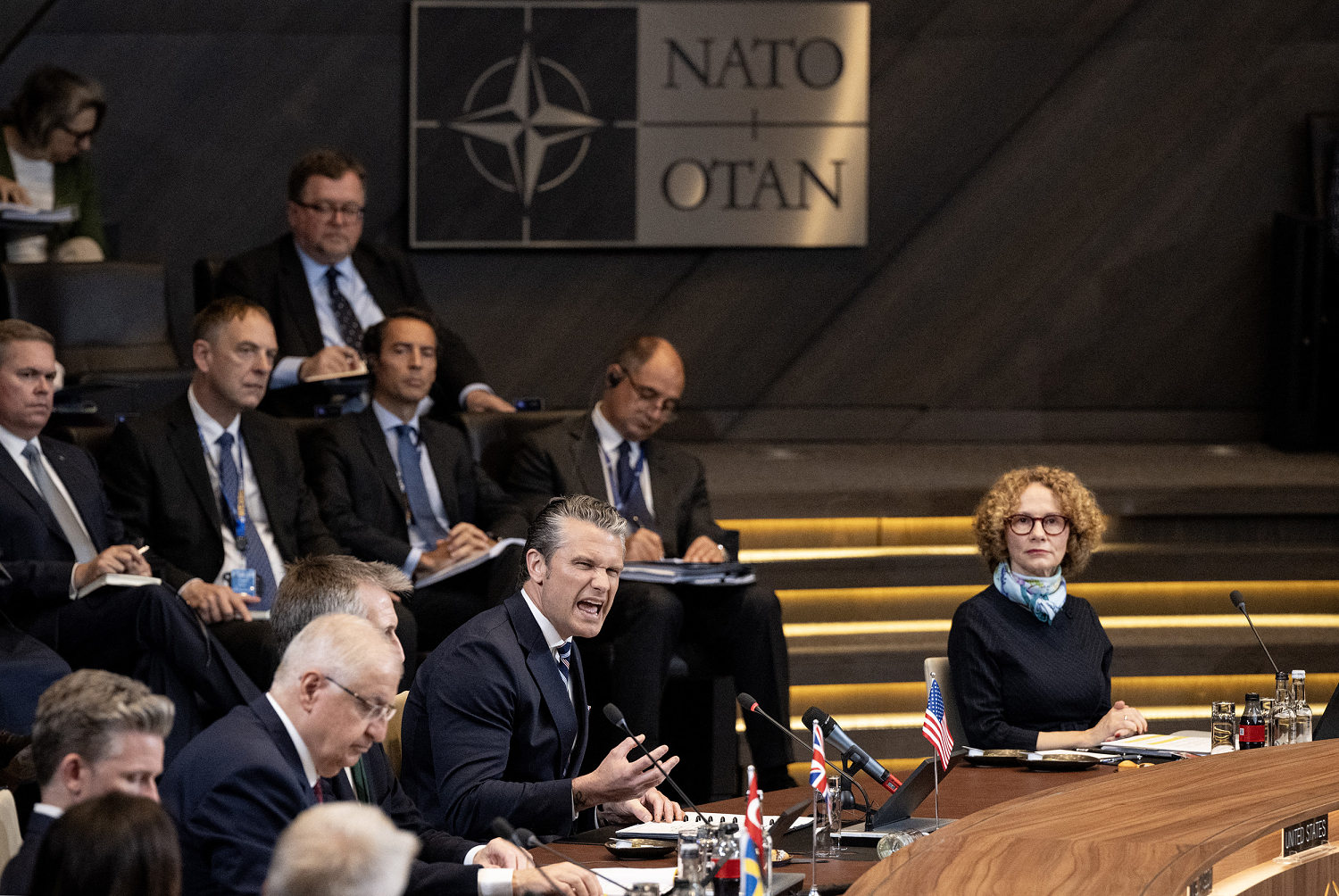
Defense Secretary Pete Hegseth lashed out at NATO allies, announcing a Pentagon review of U.S. forces in Europe. This report comes from NBC News. The
Read Full Story at NBC News →The Pentagon’s decision to review U.S. military presence in Europe under Defense Secretary Pete Hegseth signals a potential shift in America’s transatlantic security posture, one that could reverberate far beyond the continent. At its core, this move reflects growing frustration within Washington over what some policymakers perceive as European allies’ insufficient contributions to collective defense—despite NATO’s central role in deterring Russian aggression since the Ukraine war began. The review may serve as both a warning and a bargaining chip, pressuring NATO members to increase defense spending while questioning the long-term sustainability of Washington’s financial and military commitments. Yet the implications extend deeper. Hegseth’s rhetoric suggests a broader skepticism toward multilateral alliances, echoing a strain of isolationist thought that has gained traction in recent years. While NATO remains a cornerstone of U.S. foreign policy, the review could embolden critics of overseas engagements to push for a more transactional approach—one where American resources are deployed only when directly tied to perceived national interests. This would mark a departure from decades of post-World War II consensus, where U.S. leadership in Europe was framed as both a moral obligation and a strategic necessity. The timing is critical. With Russia’s war in Ukraine at a stalemate and European defense industries scrambling to ramp up production, the review could accelerate debates over Europe’s strategic autonomy. If Washington signals it may reduce its footprint, allies might accelerate efforts to bolster their own capabilities—potentially leading to a more fragmented but perhaps more self-reliant NATO. Alternatively, the review could be a negotiating tactic, reinforcing calls for European capitals to meet the 2% GDP defense spending target while avoiding the political fallout of an abrupt withdrawal. Open questions remain. Will this review result in a modest adjustment or a more sweeping reconfiguration? How will Moscow interpret any drawdown, and could it embolden further aggression? And crucially, will Congress or the public support a sustained reduction in U.S. commitments, given ongoing global flashpoints? Whatever the outcome, the move underscores a moment of reckoning for the transatlantic alliance—one that could reshape Europe’s security landscape for years to come.





