Immigrants face hidden hearings at undisclosed court locations in D.C., Virginia
Immigrants are being relocated to undisclosed court sites in D.C. and Virginia for their hearings, often with little notice, which undermines their due process rights. This lack of transparency and a…
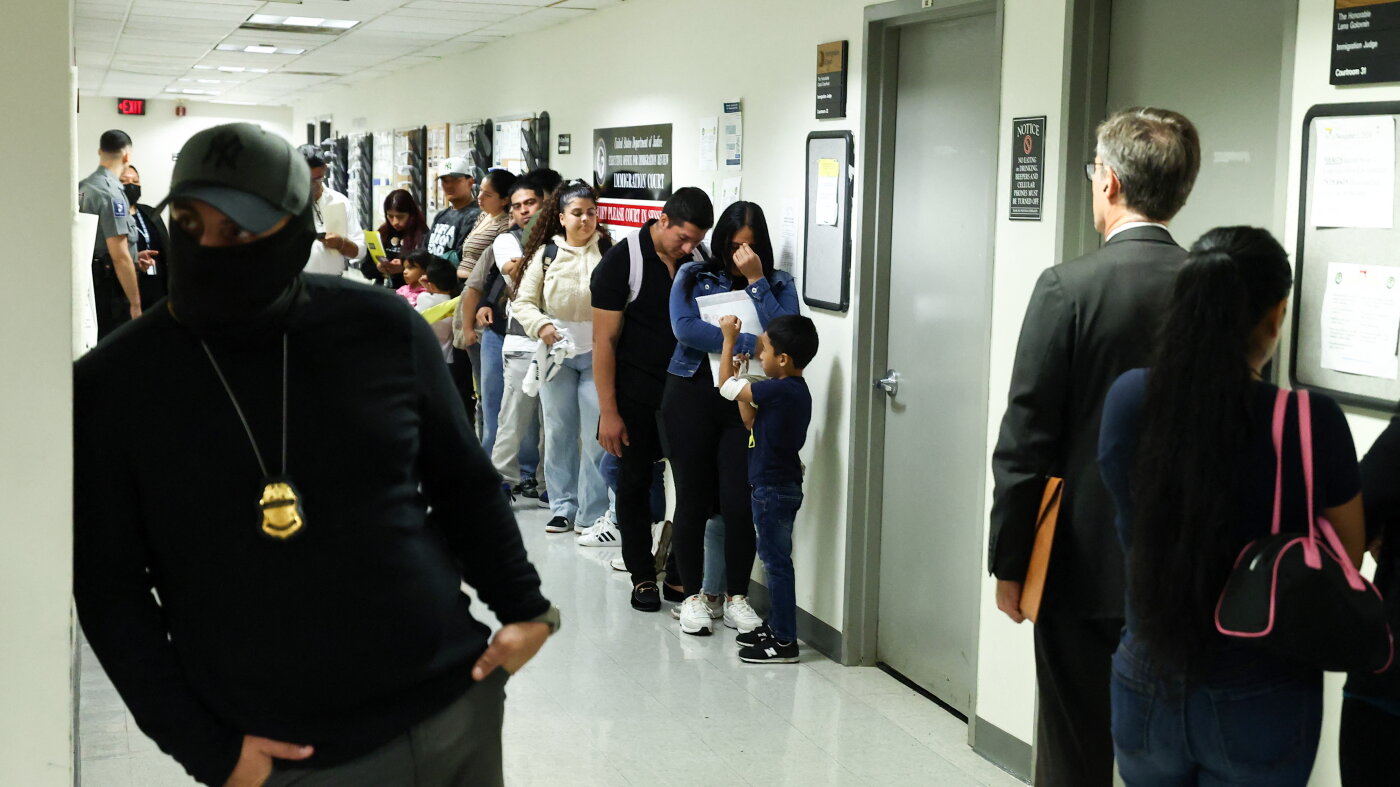
Immigrants are facing unexpected changes to their court hearings as they are being relocated to undisclosed courtroom sites in Washington, D.C., and Falls Church, Virginia. This shift comes as part of a larger strategy to expedite arrests and deportations, according to five immigration attorneys who have witnessed or reviewed the notifications. Individuals scheduled to appear in Maryland’s Hyattsville and Baltimore immigration courts have recently received last-minute notices about the new hearing locations.
The recent changes coincide with ongoing scrutiny of the immigration system under the Trump administration, which has been accused of undermining due process for immigrants. The new locations do not have established immigration courts set up for in-person hearings, raising concerns about accessibility and transparency. The D.C. site, for example, is occupied by the Federal Emergency Management Agency and has no formal ties to the Justice Department, which oversees immigration courts.
Attorneys note that many immigrants are receiving little to no notice about these changes. Kel White, an attorney with over 15 years of experience, described the situation as "the most unusual thing" she has encountered, highlighting a hearing where the judge and prosecutor participated remotely while the immigrant appeared in person at an unfamiliar location. White emphasized that regulations require at least ten days' notice for such hearings, a guideline that appears to be ignored in these cases.
The implications of these last-minute changes are significant. Immigrants without legal representation are particularly vulnerable, as many are unaware of their court dates or locations. Missing a hearing can result in an in-absentia order of removal, allowing for immediate detention and deportation. The lack of proper notification not only jeopardizes individual cases but also raises broader questions about the fairness and integrity of the immigration court system.
Read Full Story at NPR News →