Houthi attacks raise fears of wider Middle East conflict and more global economic damage
Yemen's Houthi fighters claim to have attacked shipping in the Red Sea - a move that threatens to further escalate the already volatile situation in the Middle East. By forcing ships to turn back fro
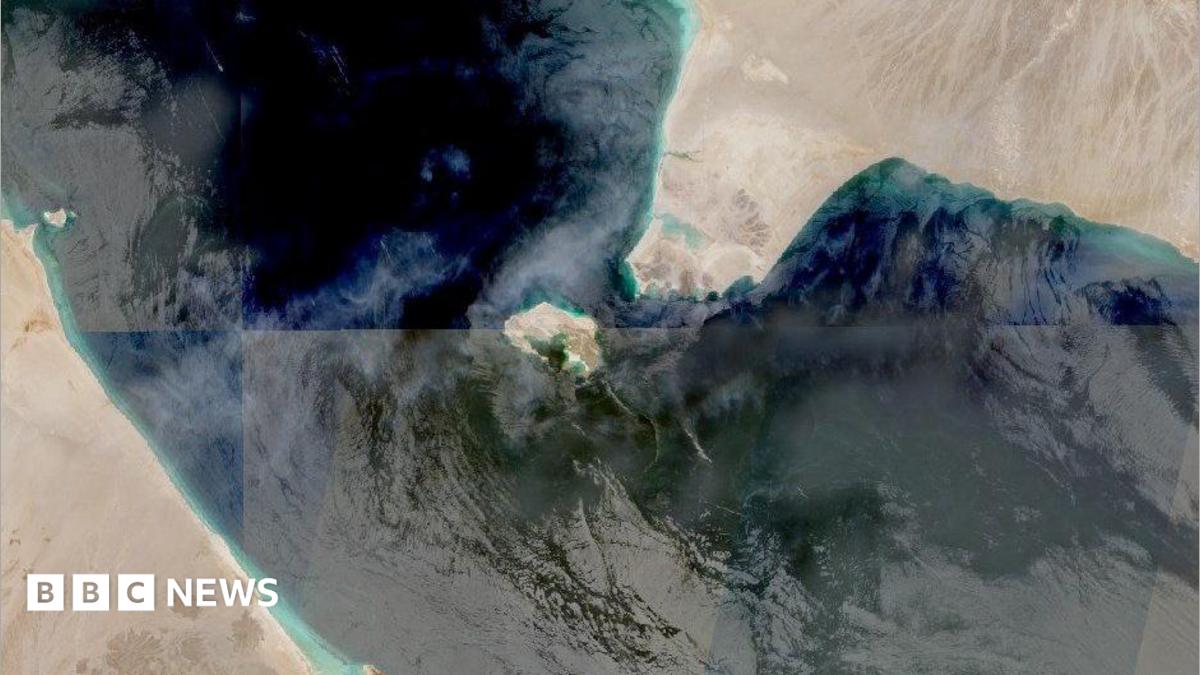
Yemen's Houthi fighters claim to have attacked shipping in the Red Sea - a move that threatens to further escalate the already volatile situation in t
Read Full Story at BBC World News →Why This Matters
The recent Houthi attacks on shipping in the Red Sea signal a dangerous escalation in regional tensions that could draw in multiple state actors and disrupt critical trade routes. This development not only threatens maritime security but also raises alarms about the potential for a broader conflict that could have severe repercussions for global economic stability.
Background Context
The Houthis, a Yemeni rebel group, have been engaged in a prolonged conflict with a Saudi-led coalition since 2015, which has devastated Yemen's infrastructure and economy. The Red Sea is a vital artery for international trade, and previous conflicts in the region have demonstrated how quickly local skirmishes can escalate into wider confrontations involving global powers.
What Happens Next
In response to these attacks, regional powers may increase their military presence in the area, leading to heightened tensions and a potential naval arms race. Observers should monitor the reactions from the United States and European nations, as diplomatic efforts or sanctions could be employed to de-escalate the situation, but the risk of miscalculation remains high.
Bigger Picture
This incident is part of a broader trend of increasing instability in the Middle East, where proxy conflicts and state-sponsored aggression are becoming more common. The implications for global energy markets and international trade could be profound, as disruptions in the Red Sea may result in rising oil prices and heightened economic uncertainty worldwide.