Men in England urged to visit doctors sooner
Men die younger than women due to delayed medical care, with one in five men in England dying before 65 compared to one in eight women, often because they avoid doctors until conditions become severe.
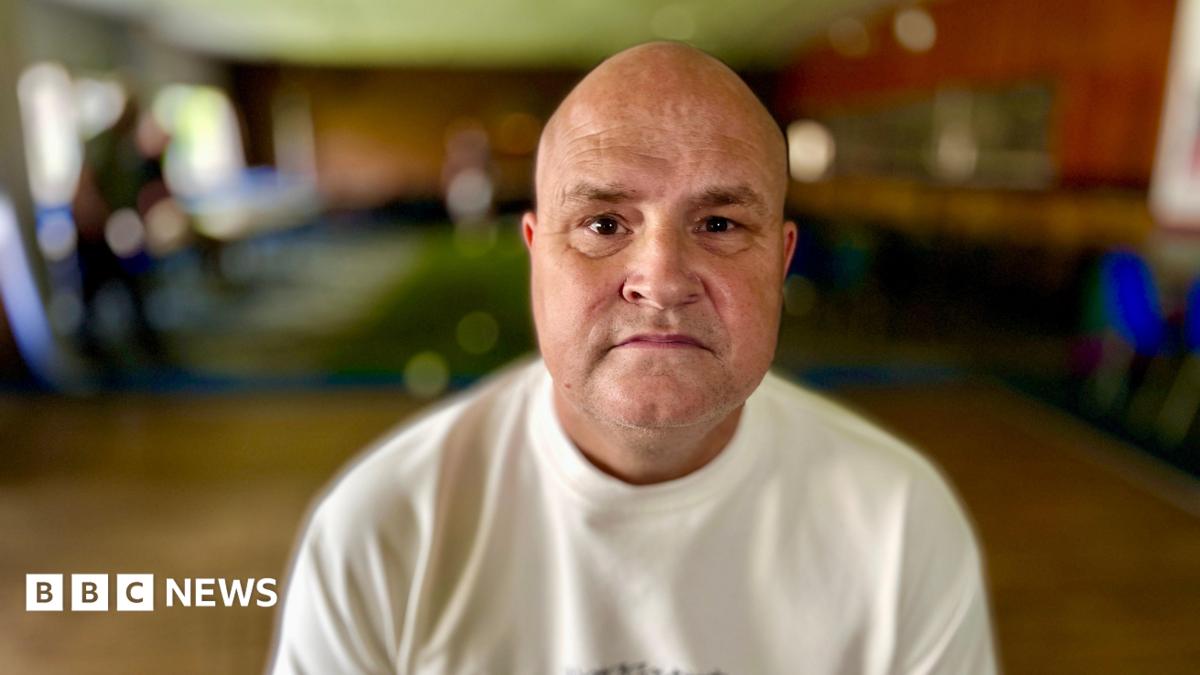
Shane Newton, 56, didn’t go to the doctor until his prostate cancer had spread to his bones—something he now calls a fatal delay. He spent months blam
Read Full Story at BBC Health →Why This Matters
The gender gap in life expectancy isn't just a statistical curiosity—it reflects deep-rooted failures in how healthcare systems engage men. These premature deaths represent untapped potential for families, economies, and social structures, making it a crisis of lost productivity and preventable suffering. The challenge isn't just medical but cultural, demanding a rethink of how masculinity intersects with health-seeking behavior.
Background Context
Historically, public health campaigns have targeted women as primary healthcare decision-makers in families, leaving men with fewer culturally sanctioned pathways to care. Economic pressures—particularly in male-dominated industries—often reinforce the idea that seeking help is a sign of weakness, while workplace policies rarely accommodate preventive health measures. These systemic biases compound over decades, with consequences visible only in middle age.
What Happens Next
Policymakers may soon face pressure to integrate male-specific health screening into workplace wellness programs, mirroring existing initiatives for women. Tech-driven solutions, like AI-powered symptom checkers tailored to men's risk profiles, could emerge as stopgaps until cultural shifts take hold. The biggest wild card is whether public health messaging can evolve faster than generational attitudes toward masculinity and vulnerability.
Bigger Picture
This disparity is part of a larger pattern where preventable health gaps align with socioeconomic and gender divides, from cardiovascular disease to mental health crises. As societies age, the economic burden of early male mortality—through lost wages, pension shortfalls, and caregiving gaps—will force a reckoning with how we design health systems for equity. The conversation may soon expand beyond life expectancy to ask: What kind of lives are we enabling—or denying—men?