How climate change and food insecurity could fuel future conflicts
The world's food system is under growing stress, and new research is pointing to areas where this could lead to conflict. Severe droughts and extreme weather are damaging harvests in many regions. A…
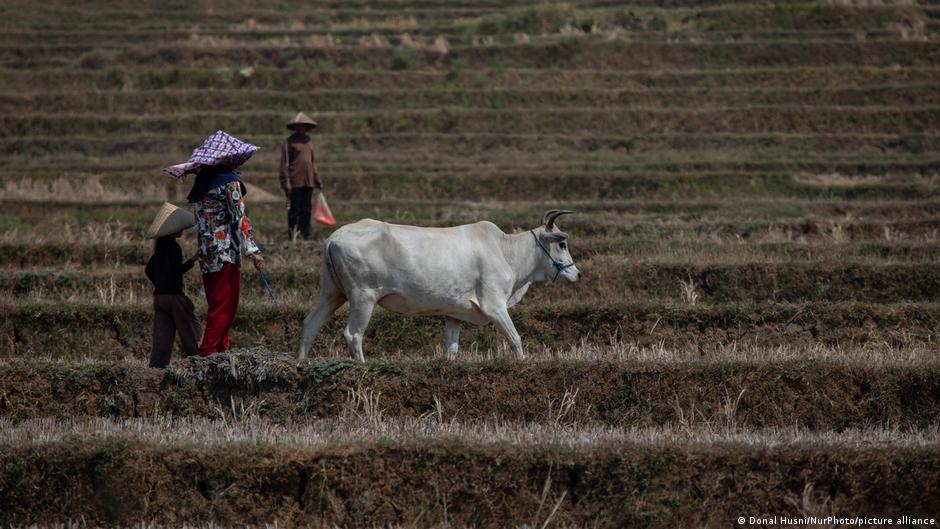
The world's food system is under growing stress, and new research is pointing to areas where this could lead to conflict.
Severe droughts and extreme weather are damaging harvests in many regions. A developing El Niño event is even threatening to worsen food shortages for millions of people next year. At the same time, wars and geopolitical tensions are disrupting supply chains that keep food and farm supplies moving.
The war in Ukraine has repeatedly shaken grain markets , while the Iran war's impact on the Strait of Hormuz has driven up fuel and fertilizer prices , increasing costs for farmers everywhere.
Experts have long warned that rising food insecurity could fuel instability. When people can no longer feed their families, they argue over land, water, and other resources — or they move. In fragile countries, these pressures can contribute to social unrest and even armed conflict.
Now, new research has suggested where some of these risks are greatest. The Climate-Driven Agricultural Decline Index (CADI) , developed by Hannes Mueller and his colleagues, maps how climate change is reshaping agricultural productivity around the world. "The heaviest losses are in the tropical regions," said Mueller, a researcher at the Institute for Economic Analysis and the Barcelona School of Economics.
Climate change is already reducing food production in many parts of the world. Hundreds of millions of people live in areas where harvests are smaller than 30 years ago. Mueller mentioned Cambodia , Bangladesh , Burundi , Nigeria , Paraguay and El Salvador as countries where agricultural losses are already being felt.
"Northern Africa is another region we should pay much more attention to. If you look at the map, it just looks terrible. It really looks horrible," he said.
To view this video please enable JavaScript, and consider upgrading to a web browser that supports HTML5 video
Read Full Story at DW World →