How could loosened radiation exposure rules affect public health?
How could loosened radiation exposure rules affect public health? A proposed rule change could expose more Americans to higher doses of radiation from nuclear facilities By Stephanie Pappas edited b
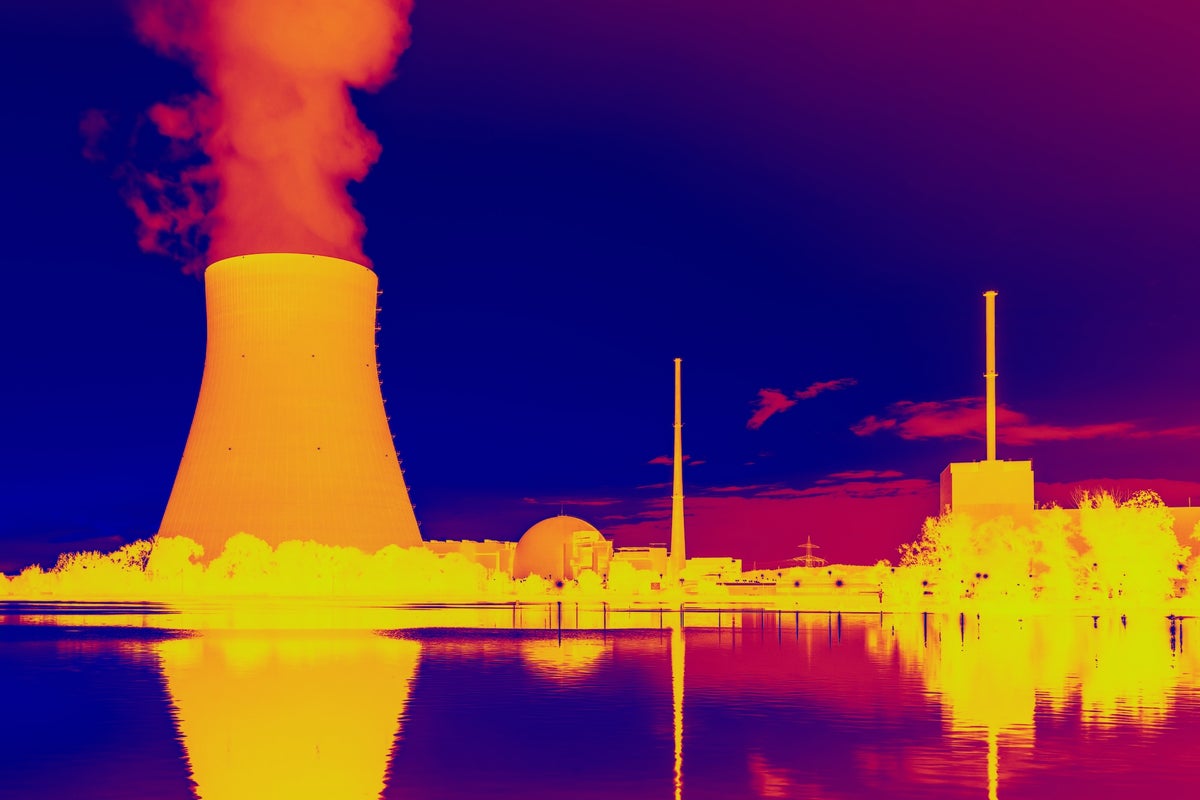
How could loosened radiation exposure rules affect public health? A proposed rule change could expose more Americans to higher doses of radiation fro
Read Full Story at Scientific American →Why This Matters
The proposed relaxation of radiation exposure limits near nuclear facilities isn’t just a technical adjustment—it’s a fundamental shift in how society weighs risk against convenience. For decades, the nuclear industry has operated under the precautionary principle, acknowledging that even low-dose radiation carries potential long-term health risks. By easing these standards, regulators may be signaling a broader acceptance of incremental risk in energy and defense operations, with implications far beyond the plants themselves.
Background Context
Radiation exposure rules in the U.S. have historically been shaped by Cold War-era science and the post-Chernobyl regulatory tightening of the 1980s. The Environmental Protection Agency’s current guidelines are rooted in the linear no-threshold model, which assumes that any amount of radiation exposure carries some degree of harm. Yet recent pressure to streamline nuclear energy expansion—amid climate goals and geopolitical energy security—has revived debates over whether these standards are overly restrictive or scientifically outdated.
What Happens Next
If the rule change proceeds, communities near nuclear sites could face new legal and health uncertainties, with watchdog groups likely to challenge the EPA’s risk assessments in court. Meanwhile, nuclear operators may accelerate permitting for new reactors or waste storage, banking on reduced compliance costs. The biggest wild card? Public perception—whether communities accept reassurances about safety or push back against what they see as a rollback of protections.
Bigger Picture
This debate reflects a growing tension between environmental safeguards and the push for rapid decarbonization, a dynamic playing out in global energy policy. As nations grapple with nuclear’s role in their climate strategies, the U.S. may be setting a precedent: Will radiation standards be treated as non-negotiable health protections, or will they be recalibrated to meet industrial and strategic demands? The answer could redefine the boundaries of acceptable risk in the 21st century.