How do teenagers keep accessing guns in Southeast Asia?
On August 7, a 14-year-old Thai student killed his grandparents before taking his grandfather's handgun to his school outside Bangkok and killing five teachers and staff members and a 12-year-old stu…
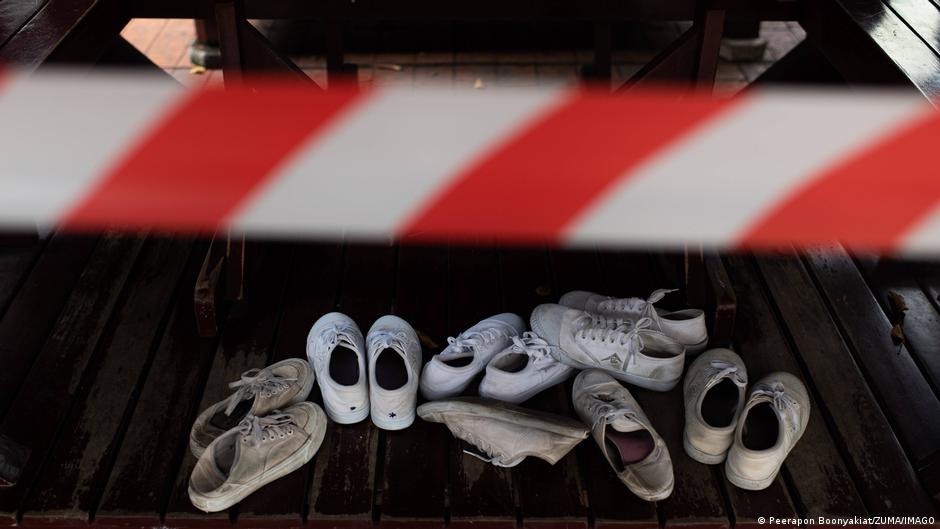
On August 7, a 14-year-old Thai student killed his grandparents before taking his grandfather's handgun to his school outside Bangkok and killing five teachers and staff members and a 12-year-old student. The attacker then turned the weapon on himself.
Police said the teenager fired at least 26 rounds during the attack, Thailand's deadliest mass killing in almost four years.
This week, another school shooting occurred in the southern Philippine city of Zamboanga, when a ninth-grade student killed another pupil and later died by suicide. Police said one of the weapons belonged to his father, a customs police official.
The attacks raise questions not only about Thailand and the Philippines' unusually large civilian gun stockpile, but also about how legally owned firearms are stored, transferred and allowed to fall into other people's hands across Southeast Asia.
The Small Arms Survey estimated in 2017 that Thai civilians possessed around 10.3 million firearms, equivalent to roughly 15 guns for every 100 people, by far the highest rate in Southeast Asia. Just over 6 million were registered, leaving more than 4 million unregistered.
To view this video please enable JavaScript, and consider upgrading to a web browser that supports HTML5 video
The Philippines rivals Thailand, with several million firearms believed to be in civilian hands and a comparatively high rate of firearm killings, although fewer per capita than in Thailand. Malaysia has fewer than one civilian gun for every 100 people, while Indonesia's rate is lower still.
Thailand's estimated firearm death rate of 3.49 per 100,000 people is one of the highest in Asia, according to the World Population Review.
Read Full Story at DW World →


