Iran-backed militias fly 58,000 drones in 2025
Iran’s Axis of Resistance militias now use locally built drones with globally sourced parts, making them self-sufficient and harder to disrupt. This shift has dramatically increased drone attacks—from
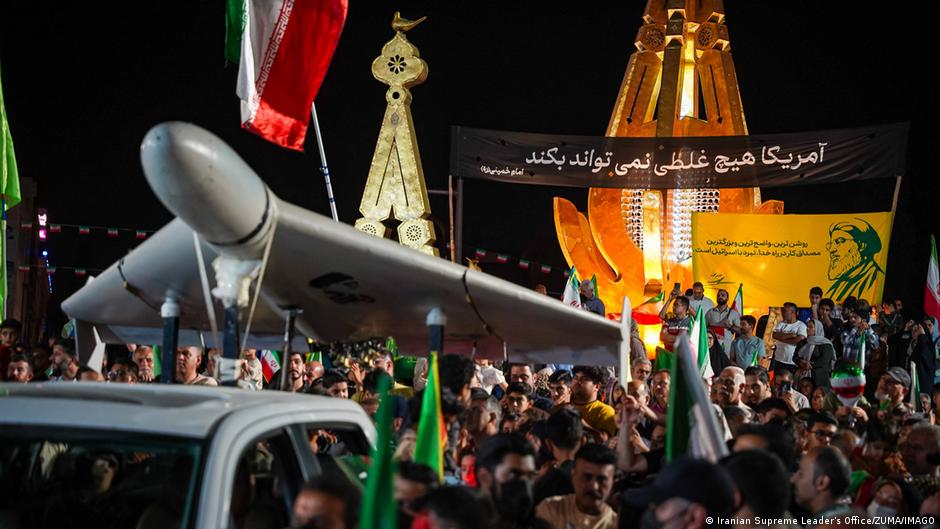
Iran’s Axis of Resistance—its network of allied militias stretching from Lebanon to Gaza, Yemen, and Iraq—has quietly transformed itself into a drone-
Read Full Story at DW World →Why This Matters
The proliferation of locally manufactured drones within Iran’s Axis of Resistance has redefined asymmetric warfare, turning militia groups from dependent proxies into self-sufficient combatants capable of sustained, high-precision strikes. This technological leap not only amplifies their operational reach but also complicates deterrence strategies for adversaries, who now face a decentralized and adaptable threat network rather than a single state sponsor.
Background Context
Iran’s drone program, initially developed in the 1980s during the Iran-Iraq War, evolved from a niche capability into a cornerstone of its military doctrine under the Islamic Revolutionary Guard Corps (IRGC). By leveraging a network of front companies and sanctions evasion techniques, Tehran has masked the procurement of critical components—from microchips to propulsion systems—while empowering allied militias to reverse-engineer and produce these systems indigenously, reducing reliance on Tehran’s direct involvement.
What Happens Next
Expect a further escalation in drone sophistication, with militias likely integrating AI-assisted targeting and swarm tactics, making interception more difficult and raising the risk of miscalculation. The international community may face pressure to tighten dual-use export controls, but the cat-and-mouse game of sanctions evasion suggests only incremental progress. Meanwhile, regional states will likely accelerate counter-drone defenses, potentially sparking an arms race in the Middle East’s skies.
Bigger Picture
This shift reflects a broader trend in modern conflict, where non-state actors are increasingly adopting cutting-edge military technologies, blurring the lines between state and non-state warfare. It also underscores the limitations of traditional deterrence models in an era where proxy groups can operate with near-state capabilities, challenging the post-WWII framework of international conflict resolution.