Drought conditions increase cholera and West Nile virus spread, experts warn
Drought conditions, exacerbated by climate change, are increasing the spread of infectious diseases like cholera and West Nile virus due to water shortages and stagnant water sources. Public health o…

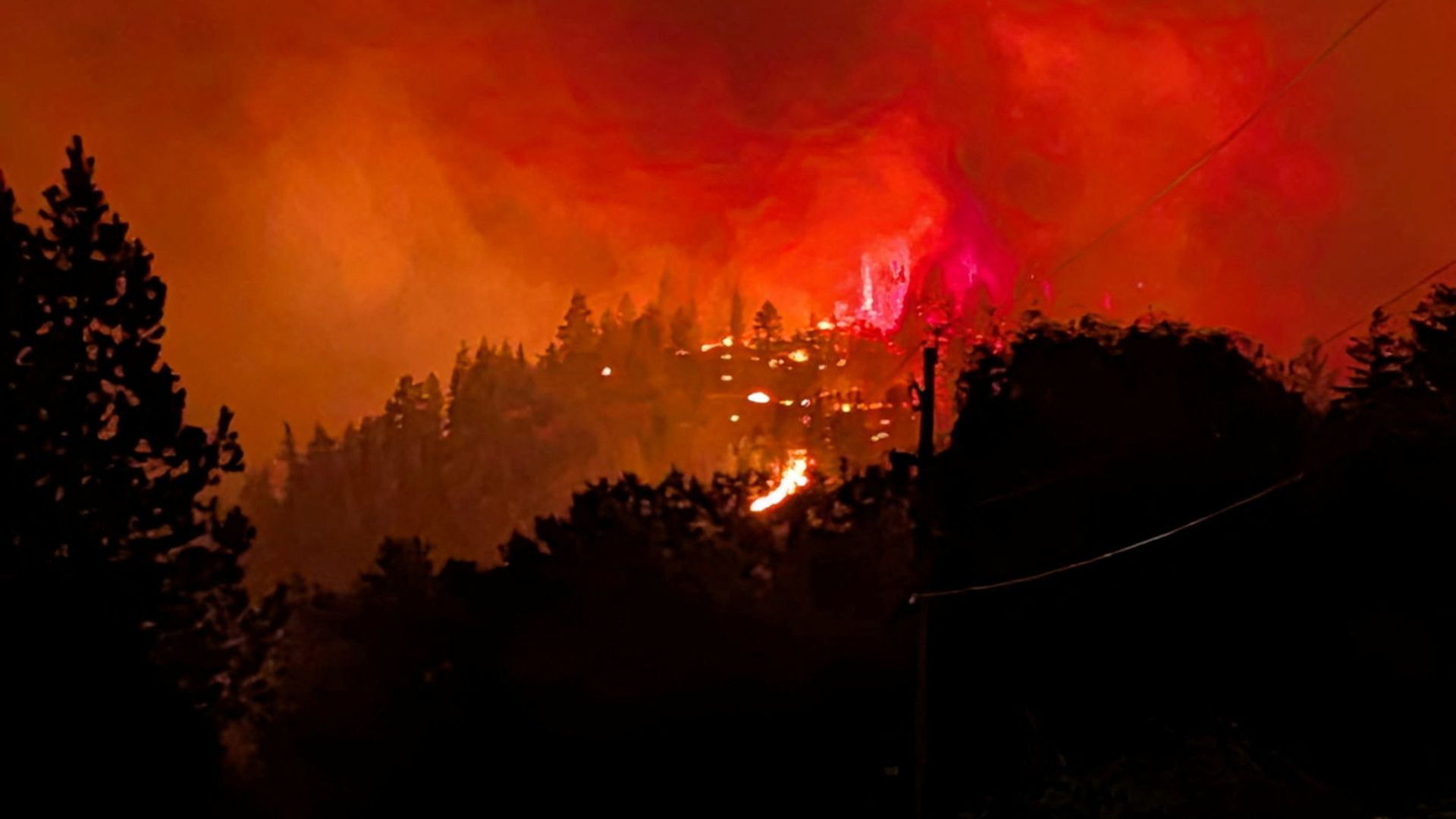
Droughts are altering the landscape of infectious diseases globally, with rising cases of illnesses like cholera and West Nile virus linked to severe water shortages. From the American West to Europe, these conditions are drying up rivers and reshaping ecosystems, making it easier for pathogens to spread and for vectors like mosquitoes to thrive. The shift is becoming evident as regions grapple with the consequences of prolonged dry spells.
The increase in drought conditions is largely attributed to climate change, which is intensifying weather patterns and contributing to reduced rainfall in many areas. As temperatures rise, evaporation rates increase, further diminishing water supplies. This situation creates a perfect storm for disease outbreaks. With fewer water resources, communities often resort to unsafe water sources, which can lead to the spread of waterborne diseases such as cholera. Additionally, drought can create stagnant water sources that encourage mosquito breeding, increasing the risk of diseases like West Nile virus.
Public health officials are raising alarms about these trends. According to the World Health Organization, cholera cases have risen significantly in regions experiencing drought, particularly in parts of Africa and the Middle East. In the United States, West Nile virus cases have also surged after a hot, dry summer, with health agencies urging residents to take precautions against mosquito bites. The interplay between climate conditions and public health is becoming clearer, prompting calls for immediate action to address these challenges.
Moving forward, experts emphasize the need for integrated strategies that link climate adaptation and public health initiatives. Communities must improve water management and invest in sustainable practices to mitigate the impacts of drought. Public health infrastructure also needs to be reinforced to better respond to disease outbreaks. As the climate continues to change, understanding and addressing the relationship between drought and infectious diseases will be crucial in protecting global health.
Read Full Story at Phys.org →