How former Emir Sheikh Hamad bin Khalifa Al Thani built Qatar’s economy
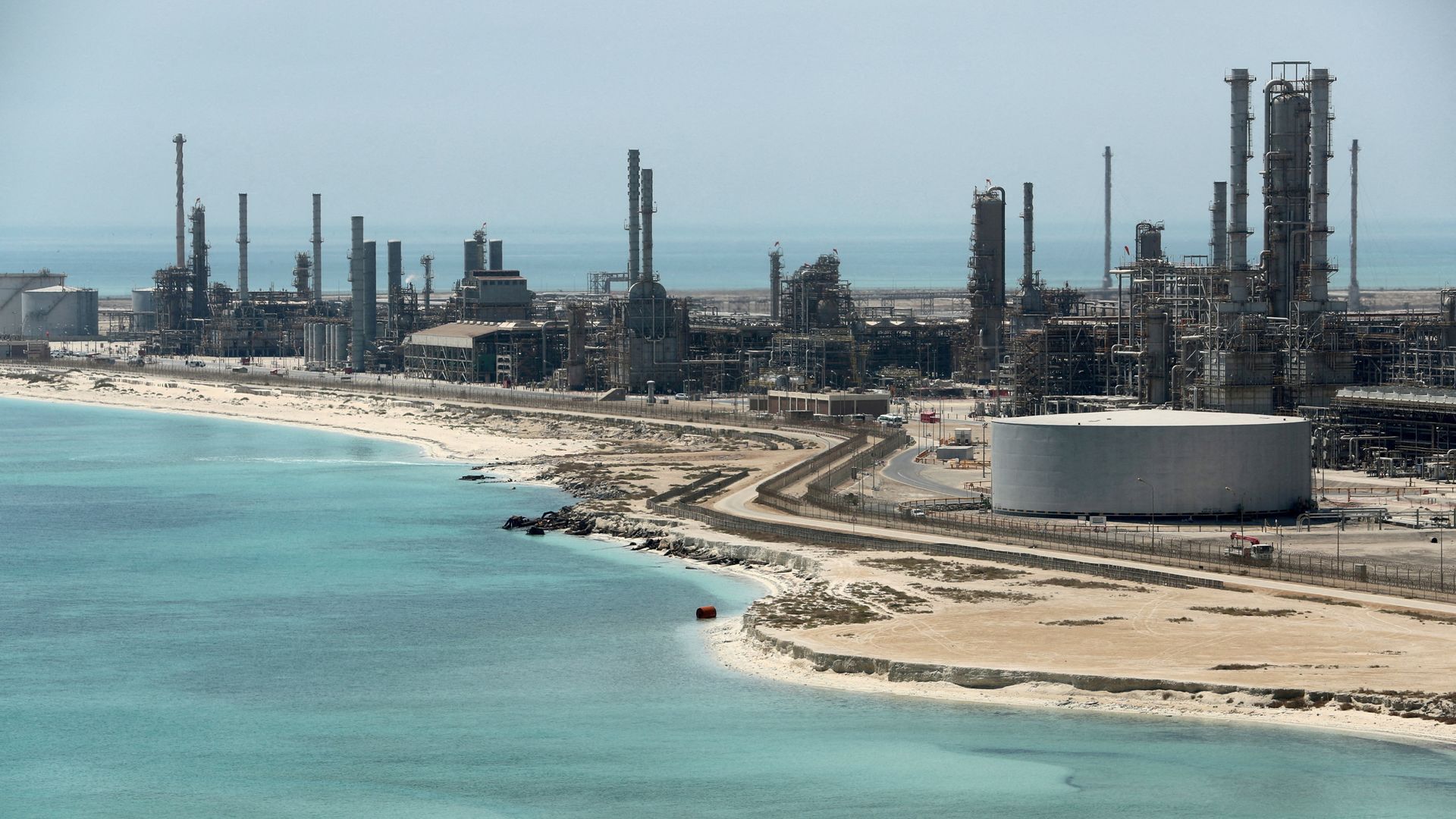
Qatar’s Father Emir Sheikh Hamad Bin Khalifa Al Thani has died at the age of 74. During his 18-year rule , Sheikh Hamad reshaped the energy-rich country’s domestic and global footprint. When he assu

Qatar’s Father Emir Sheikh Hamad Bin Khalifa Al Thani has died at the age of 74. During his 18-year rule , Sheikh Hamad reshaped the energy-rich coun
Read Full Story at Al Jazeera →Why This Matters
Sheikh Hamad bin Khalifa Al Thani’s leadership was the architect of Qatar’s transformation from a modest Gulf sheikhdom into a global energy powerhouse and diplomatic heavyweight. His vision redefined sovereign wealth strategies and repositioned the country as a mediator in international conflicts, setting a benchmark for small-state influence in an era of shifting geopolitical sands.
Background Context
Before his ascent in 1995, Qatar was overshadowed by its larger neighbors, with limited infrastructure and a stagnant economy tied to pearl diving and modest hydrocarbon exports. His 1995 coup—unexpected at the time—was the first in the Gulf in decades, demonstrating the fragility of monarchical succession in the region. The discovery and rapid monetization of the North Field gas reserves became the foundation of his economic revolution.
What Happens Next
The transition to the new emir, Tamim bin Hamad Al Thani, began in 2013, but the institutional legacy of Sheikh Hamad’s rule will shape Qatar’s path through energy transition, regional rivalries, and global soft power competition. Questions remain about whether Doha can sustain its outsized role amid shifting alliances, particularly with the United States and rising Asian demand for LNG.
Bigger Picture
Sheikh Hamad’s tenure reflected a broader Gulf strategy: leveraging energy wealth to diversify economies and project influence beyond traditional spheres. His model—blending state capitalism with global engagement—has been studied by other resource-rich nations, though few have matched its execution or the resilience required to navigate post-Arab Spring turbulence.