How high-end credit card perks are hurting shoppers who pay in cash
A Harvard study estimates that people who pay with cash and debit cards are subsidizing $30 billion a year in points and perks for credit card users.
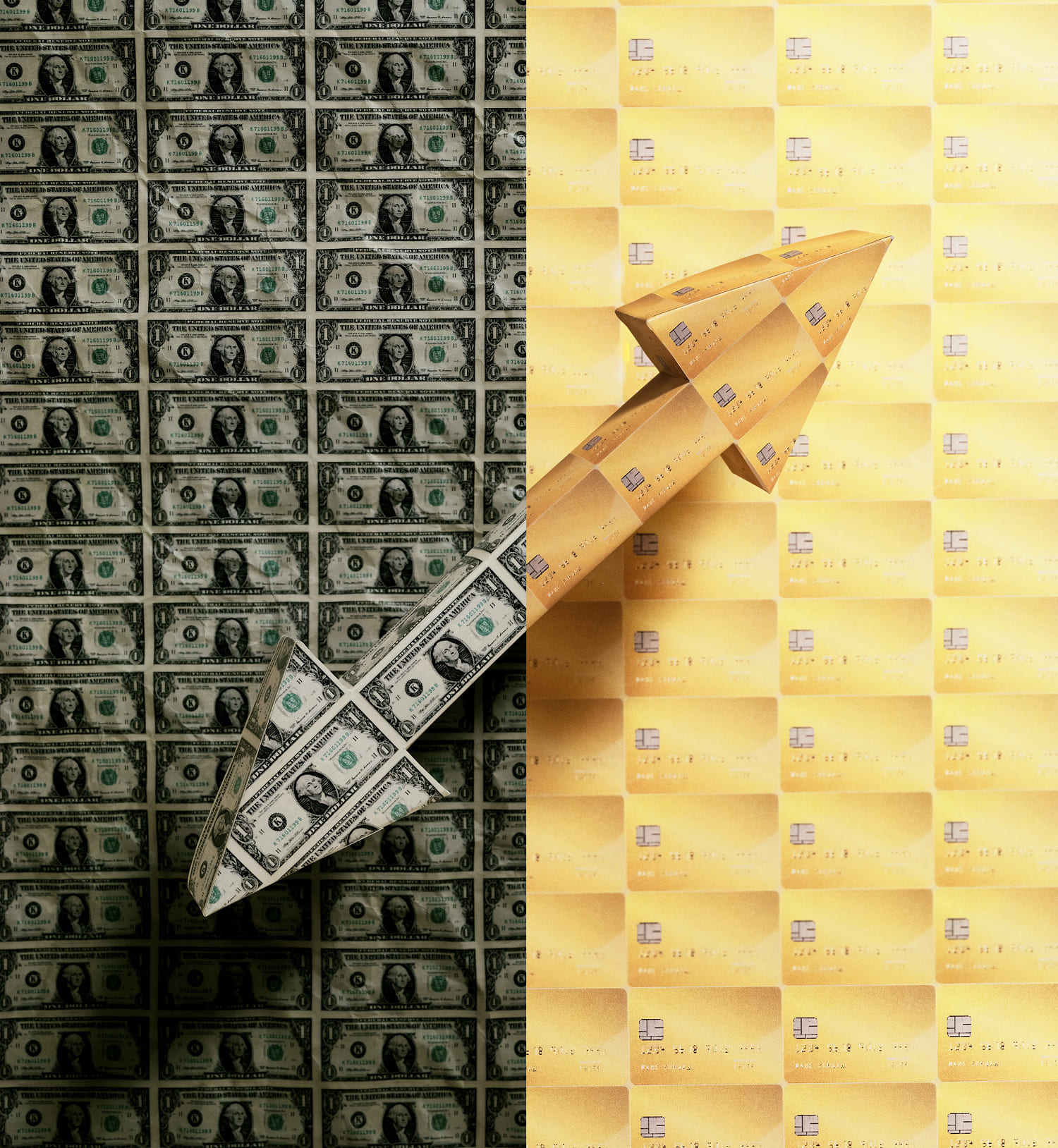
A Harvard study estimates that people who pay with cash and debit cards are subsidizing $30 billion a year in points and perks for credit card users.
Read Full Story at NBC News →Why This Matters
The $30 billion annual subsidy for credit card perks isn’t just a market distortion—it’s a regressive wealth transfer that disproportionately burdens lower-income households. By shifting costs to cash and debit users, the system effectively taxes financial prudence while rewarding debt-fueled consumption, deepening economic inequality in ways that often go unnoticed in policy debates.
Background Context
Interchange fee regulation has long been a battleground between retailers and financial institutions, with Visa and Mastercard’s 2023 settlement over swipe fees highlighting how payment networks embed hidden costs. Unlike Europe, where capped interchange fees have curbed such subsidies, U.S. merchants have little recourse—leading to a de facto surcharge on non-reward transactions that inflates prices across the economy.
What Happens Next
Watch for state-level challenges to interchange fee structures, particularly as cash-dependent consumers grow more vocal about pricing transparency. Meanwhile, the growing popularity of no-fee debit cards and digital wallets may force issuers to rethink perks—or risk alienating the very consumers who sustain the system. The Federal Reserve’s 2024 review of payment systems could also reframe the debate around fairness in consumer finance.
Bigger Picture
This isn’t just about credit card rewards; it’s a symptom of how financial innovation increasingly extracts value from the least sophisticated users. As fintech and AI-driven lending reshape access to credit, the gap between those who can leverage perks and those who subsidize them risks solidifying a two-tiered economy where the affluent benefit from tools that remain out of reach for the median household.





